1. A quick overview of Hoi An's history
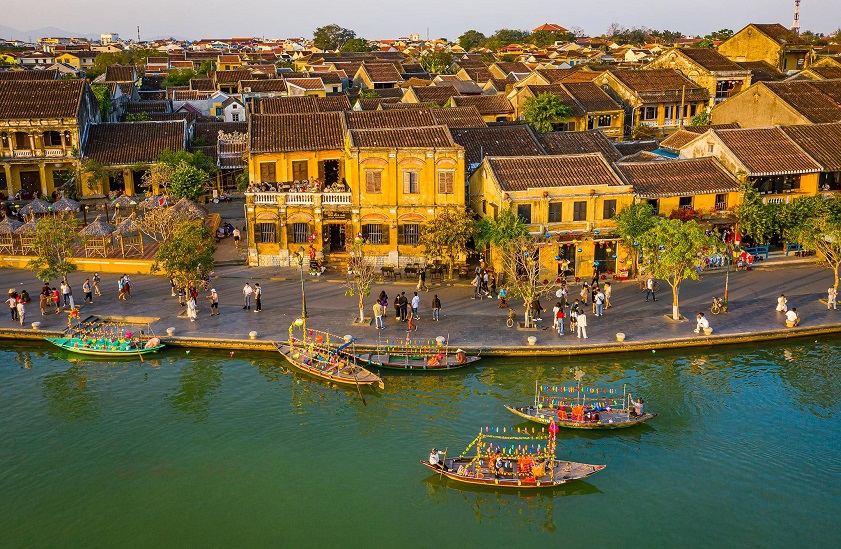
Hoi An is a land with a long history, marked by many ups and downs throughout different eras.
- Before the 16th century: As early as the 2nd century AD and even earlier, Hoi An was part of the Sa Huynh and pre-Sa Huynh regions. It later became an important harbor of the Champa Kingdom from the 2nd to the 15th centuries.
- From the 16th to the 18th century: In the early 16th century, settlers from Dai Viet arrived and developed various crafts suited to the area’s natural and social conditions. Hoi An quickly grew into a prosperous center and one of Southeast Asia’s busiest ports, welcoming ships from various Asian countries and Europe. By the late 17th centuries, Chinese and Japanese merchants had established communities here, fueling a thriving period of international trade.
- In the 19th century: Due to both internal and external factors, Hoi An’s trading activities gradually declined. The age of sailing ships came to an end, giving way to the rise of the steamship port in Da Nang.
- In the 20th century: Throughout Hoi An’s history, it went through decades of war in its struggle against France and the US. Despite immense hardships and losses, the local people showed remarkable courage and resilience, ultimately achieving liberation on March 28, 1975.
- In 1999: On December 4, 1999, Hoi An Ancient Town was officially recognized by UNESCO as a World Cultural Heritage Site.
- Today: Hoi An continues its path toward becoming a dynamic “eco-cultural-tourism destination”. It is now one of Vietnam’s top travel destinations, attracting nearly 5 million visitors each year.
>>> Discover: Hoi An Vietnam map: A detailed guide to charming destinations
2. Best places to relive the history of Hoi An
2.1. Hoi An Ancient Town - the living museum of Hoi An
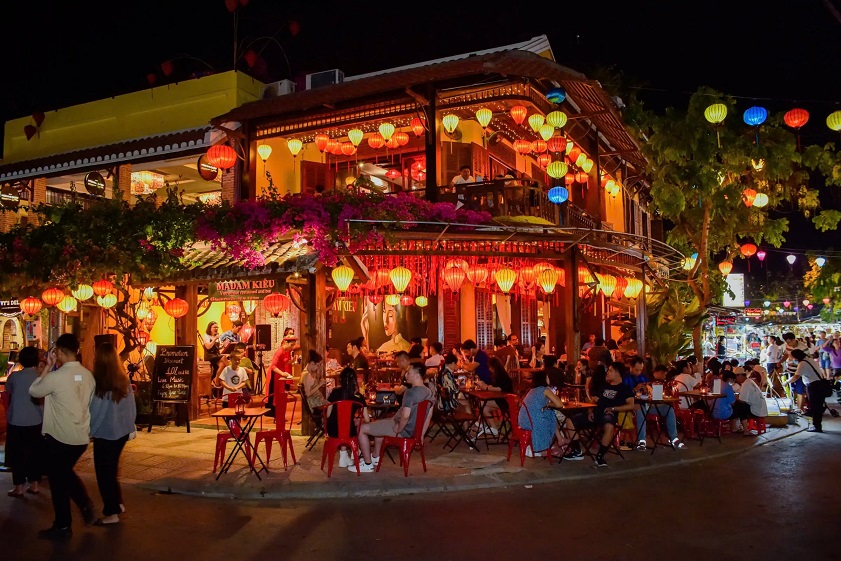
To truly immerse yourself in the long history of Hoi An, take a stroll through Hoi An Ancient Town. Here, every moss-covered alley, yellow wall, and bougainvillea-draped corner tells a story of centuries past. Tourists can explore the Japanese Covered Bridge, assembly halls, and old houses, all showcasing a beautiful blend of Vietnamese, Chinese, and Japanese influences. Along the Hoai River, boat rides recall the town’s vibrant trading past. When night falls, you can wander through lantern-lit streets filled with folk games, street performances, and night markets.
2.2. Hoi An Museum of History & Culture
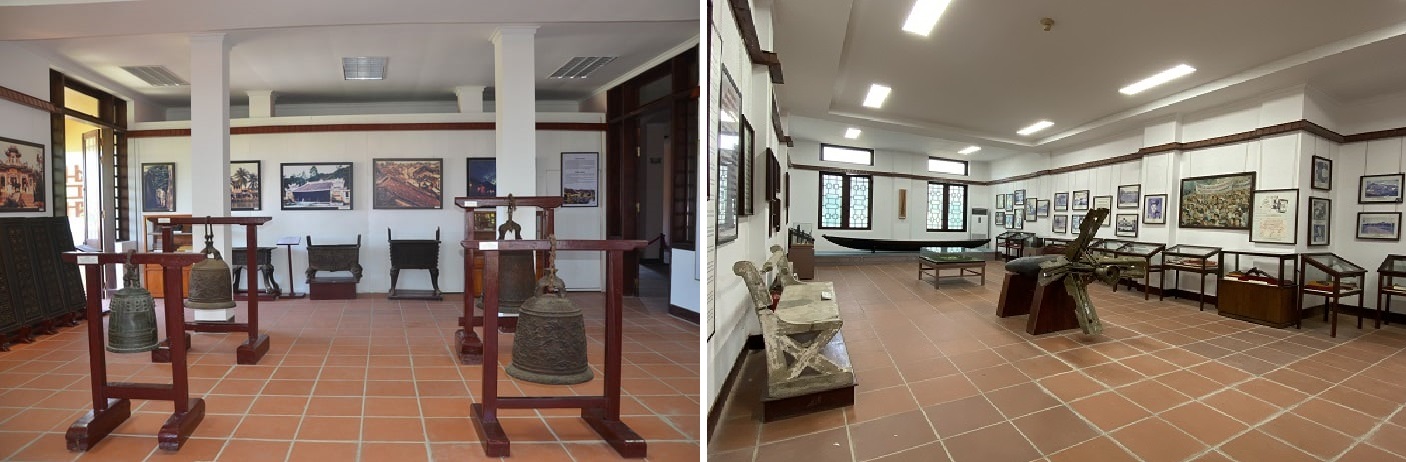
Located at 10B Tran Hung Dao Street, Hoi An Museum of History & Culture offers an insightful look into Hoi An’s history from ancient times to modern days. This Hoi An history museum houses over 700 artifacts and documents, which are displayed across three main rooms. The History and Culture Room introduces visitors to Hoi An’s development through some periods. The Revolutionary Tradition Room features relics from the struggles against French and American forces. The Art Gallery captures Hoi An through the eyes of painters, from its ancient houses to its poetic riverscapes.
2.3. Museum of Trade Ceramics
Located at 80 Tran Phu Street, the Museum of Trade Ceramics is a must-visit for people who love the history of Hoi An Ancient Town. With about 361 artifacts dating from the 9th to 19th centuries, this museum brings visitors back to the golden age when Hoi An was one of Asia’s busiest ports. These pieces - bowls, jars, vases, and plates from Vietnam, China, Japan, and the Middle East - illustrate centuries of cultural exchange. The building itself is a beautifully preserved two-story wooden house from the 19th century, featuring the typical layout of front and back houses in Hoi An.
2.4. Museum of Sa Huynh Culture
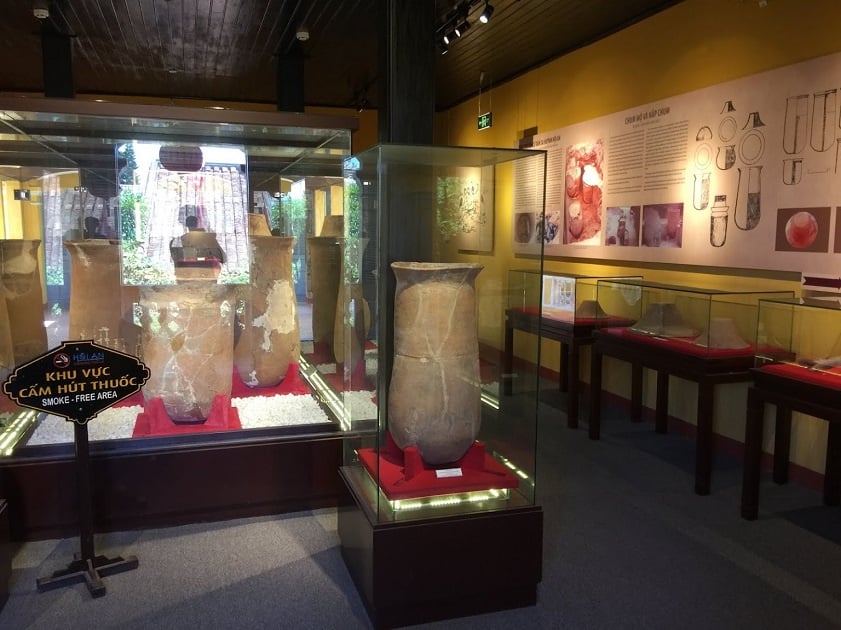
Located at 149 Tran Phu Street, the Museum of Sa Huynh Culture reveals the earliest chapter of Hoi An’s history. It exhibits more than 1,000 artifacts linked to the ancient Sa Huynh civilization, which date back over 2,000 years. These objects were unearthed from reliable archaeological sites such as the Cham Islands, Cam Pho, etc., reflecting ancient aesthetic values and social exchanges with other regions. Among the notable treasures are beast-headed agate earrings and beautifully crafted household items that provide insight into the artistry of the Sa Huynh people.
2.5. Museum of Folklore
Located at 33 Nguyen Thai Hoc Street, the Museum of Folklore celebrates the traditions of Hoi An’s people. Set inside a two-story wooden house, it highlights heritage through artifacts and photos. Here, visitors can also see re-creations of traditional crafts, such as weaving and wood carving, and experience performing arts like bai choi singing, water puppetry, and folk dancing. The exhibits vividly portray daily life, festive rituals, and the artistry of generations of Hoi An’s people. If you want to enjoy captivating Hoi An history shows, the Museum of Folklore is a must-visit.
2.6. Hoi An’s craft villages
Visiting these traditional craft villages offers a memorable way to explore the history of Hoi An, Vietnam:
- Thanh Ha Pottery Village: Established in the 16th century, Thanh Ha Pottery Village played a key role in Hoi An’s early economic development. Its artistic, practical, and decorative ceramics were widely traded across regions.
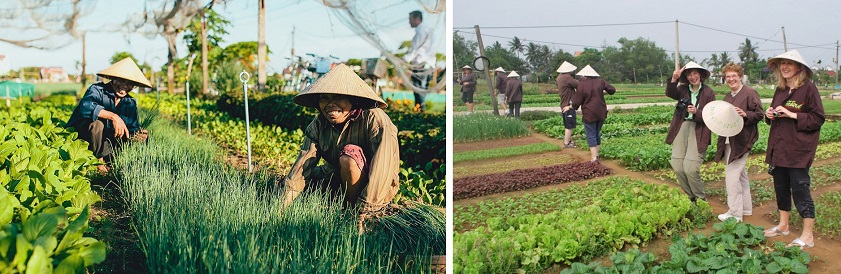
- Tra Que Vegetable Village: Formed in the 16th century, Tra Que Vegetable Village lies on fertile river-island soil surrounded by waterways. Generations of local farmers have cultivated lush gardens here, enriching Hoi An’s cuisine with fresh flavors.
- Kim Bong Carpentry Village: Originating around the 16th century, Kim Bong Carpentry Village is famed for shipbuilding, construction, and fine carpentry. Its artisans helped preserve Hoi An’s architecture and continue to craft exquisite woodwork today.
>>> Explore 17+ attractions in Hoi An for diverse experiences!
3. Top tours to explore Hoi An’s history
To conveniently experience the beauty of Hoi An, tourists can choose from a range of guided Hoi An history tours:
Tour | Duration | Price | Highlights |
Hoi An UNESCO Heritage Site Walk Tour | 3 hours | ~22 USD |
|
Hidden Gems of Old Hoi An | 3-4 hours | ~41 USD |
|
FAQs about the history of Hoi An
When was Hoi An founded?
Hoi An began to take shape as a trading port around the 16th century and reached its peak of prosperity during the 17th-18th centuries.
What was Hoi An called in the past?
During the time of the Champa Kingdom, Hoi An was a thriving harbor known as Lam Ap Pho. Over the centuries, it went by several other names: Hai Pho, Hoai Pho, Hoi Pho, Hoa Pho, Haiso, and Faifo.
How can visitors best experience Hoi An’s history today?
You can stroll through the Ancient Town, visit centuries-old houses and temples, take guided heritage tours, or join workshops that preserve Hoi An’s traditions.
Are there any museums dedicated to Hoi An’s history?
Yes. Several museums highlight Hoi An’s heritage including Hoi An Museum of History and Culture, the Museum of Trade Ceramics, the Museum of Sa Huynh Culture, and the Museum of Folklore.
What makes Hoi An a UNESCO World Heritage Site?
Hoi An earned UNESCO World Heritage Site status as an exceptionally well-preserved example of a Southeast Asian trading port. The town’s architecture reflects a harmonious blend of Vietnamese, Chinese, Japanese, and European influences, symbolizing centuries of cultural exchange. Its narrow streets, wooden houses, temples, and bridges remain largely intact, offering a vivid glimpse into its historic past.
The history of Hoi An offers a remarkable journey through time, blending cultural influences from East and West. From its days as a bustling port to its UNESCO recognition, Hoi An stands today as a living museum, preserving centuries of architecture, craftsmanship, and traditions that continue to enchant tourists worldwide.
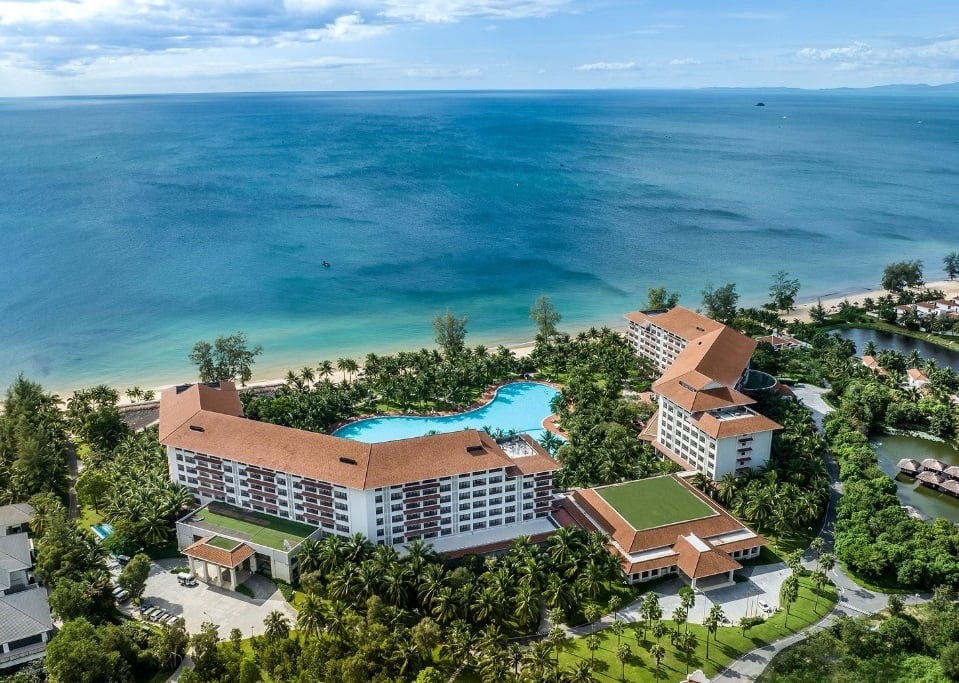
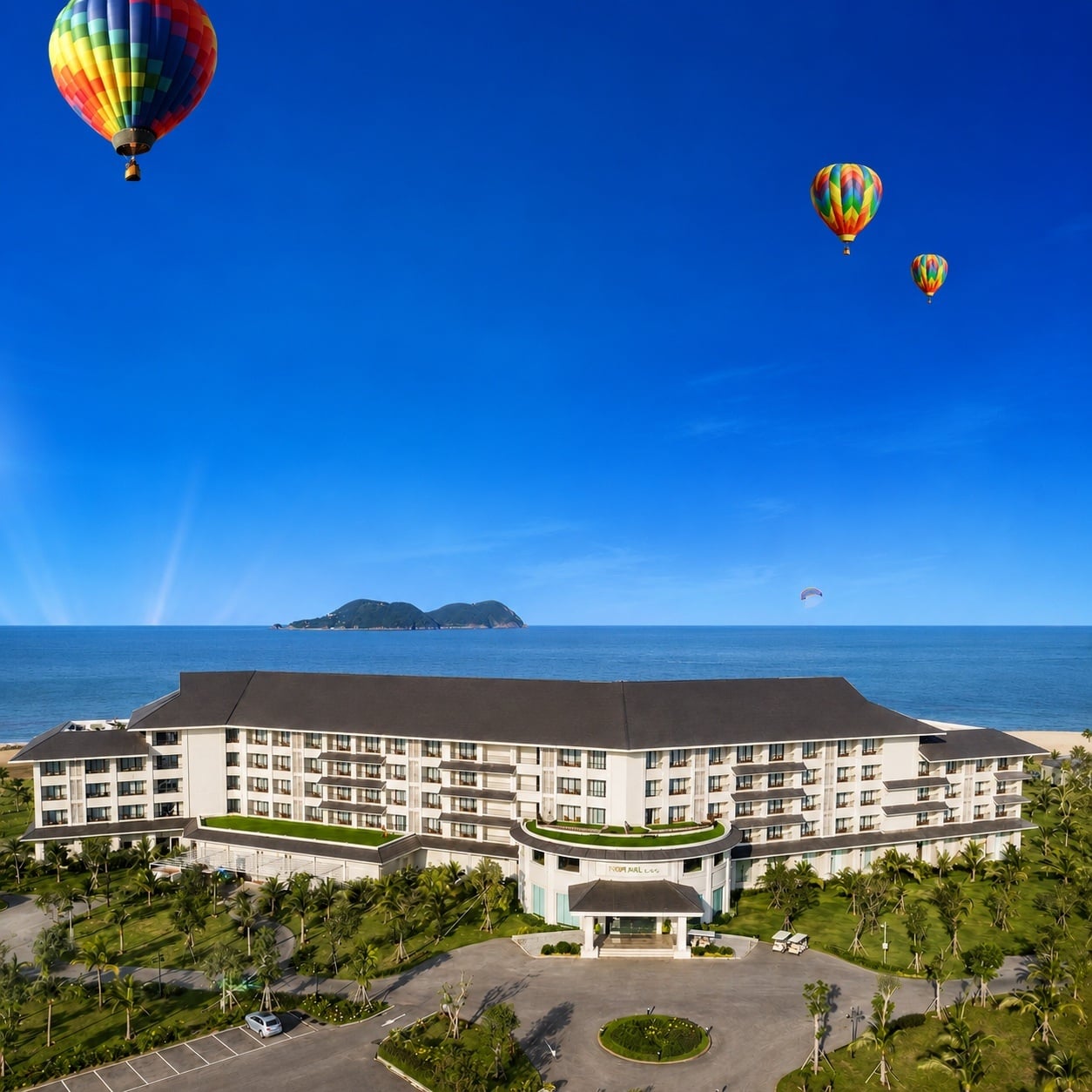
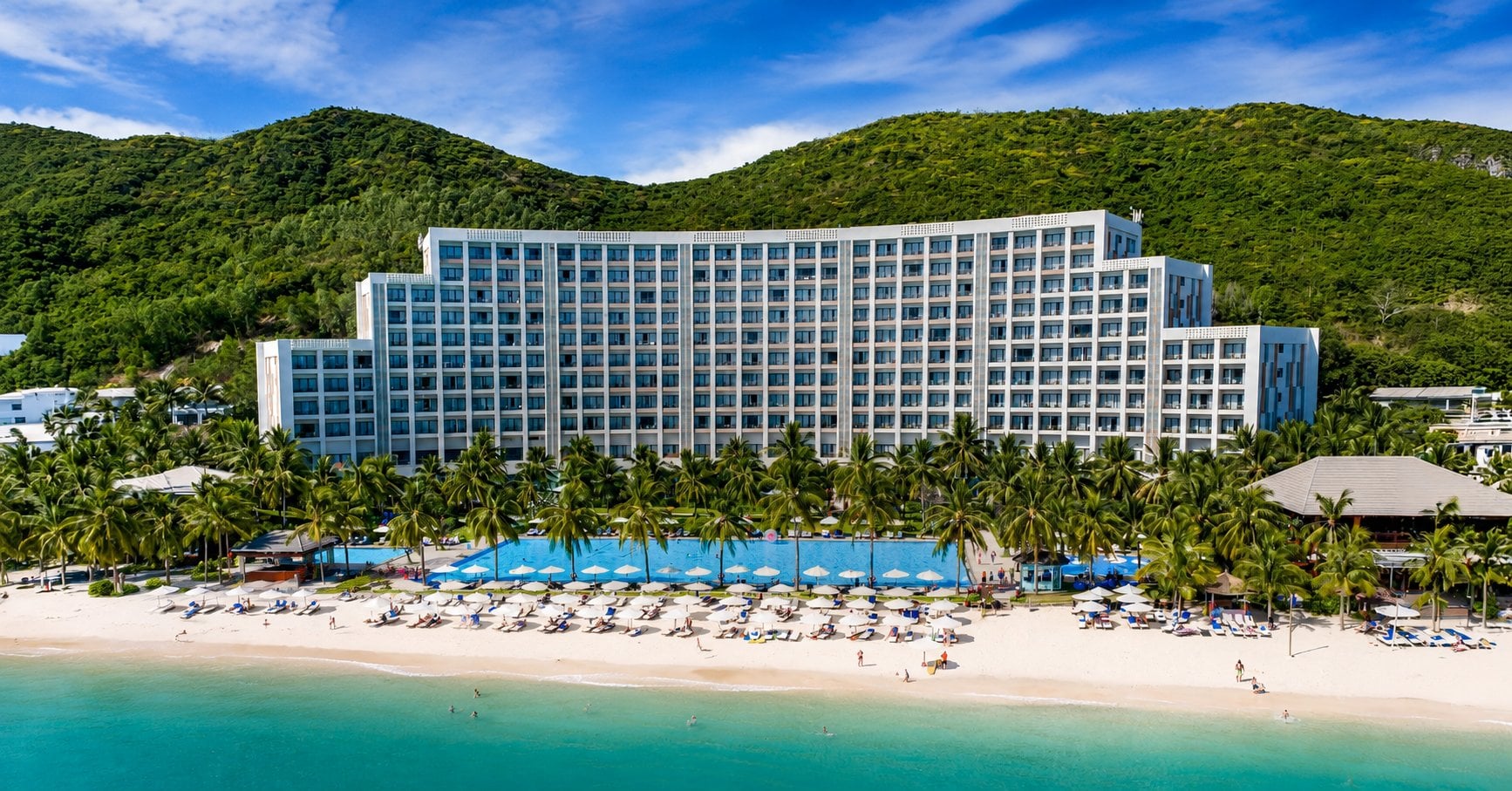
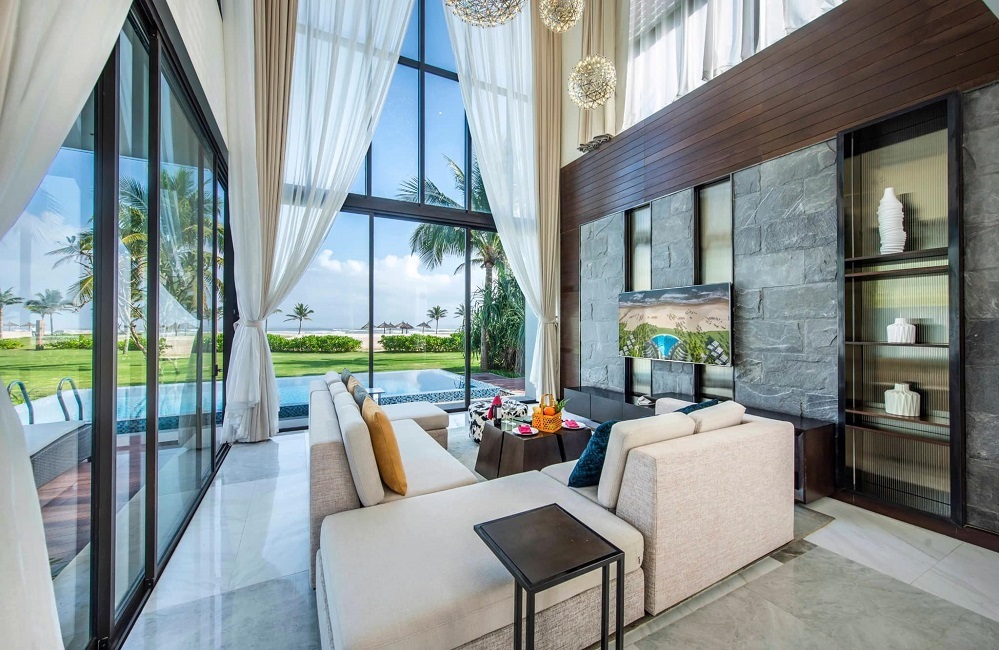
During your visit to Hoi An, you can indulge in a luxurious stay at Vinpearl Resort & Golf Nam Hoi An. Nestled along the tranquil Binh Minh Beach, this resort offers world-class facilities with exceptional hospitality.
Book rooms in Vinpearl Resort & Golf Nam Hoi An
From Vinpearl, you can easily explore VinWonders Nam Hoi An, a vibrant amusement park brimming with culture and excitement.








.png)
.png)