1. How was Vietnamese pho invented?
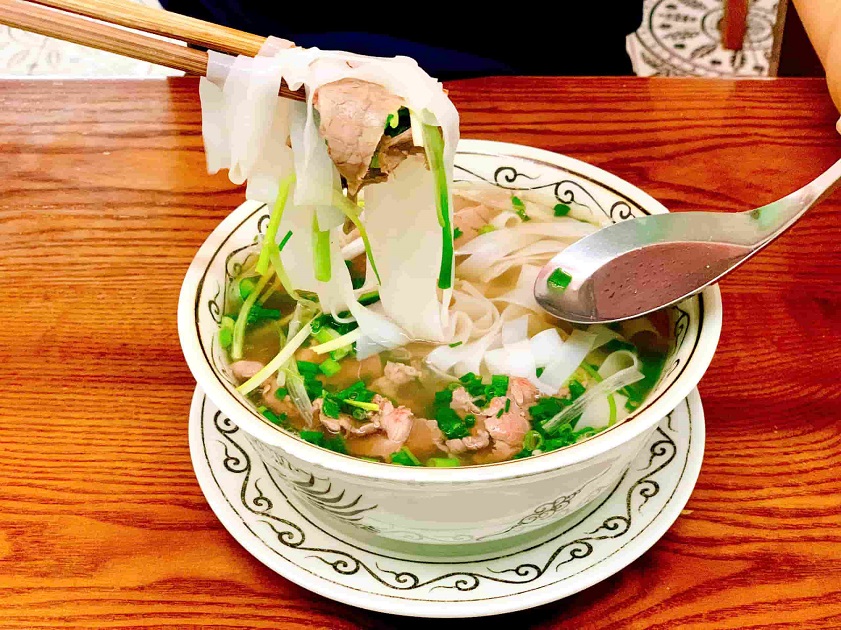
What is pho? Pho is Vietnam’s most iconic national dish - one that no visitor should miss. Before savoring your first bowl, it is worth learning about the fascinating history of Vietnamese pho.
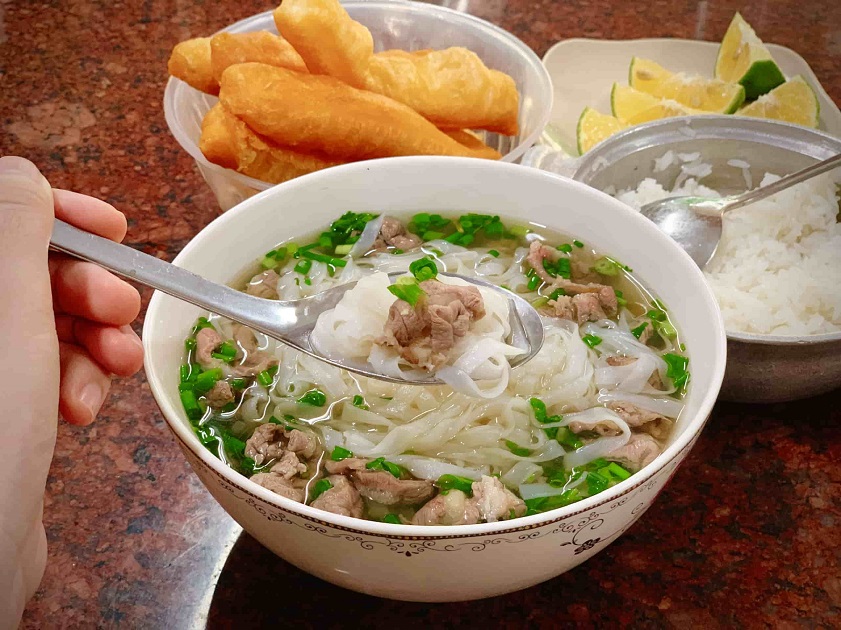
So, where is pho from? The story of pho (Vietnamese beef noodle) dates back to the late 19th century, during the height of French colonial rule. Nam Dinh is often regarded as the birthplace of pho. At that time, locals often made a simple noodle soup called “xao trau”, made with buffalo meat and rice vermicelli in a light broth.

In 1898, when a major French textile factory was built in Nam Dinh, French workers developed a growing demand for beef - something Vietnamese people rarely ate back then. This led to an abundance of leftover beef bones, which Chinese and Vietnamese vendors began simmering to enrich the broth for “xao trau”. Over time, the broth became richer and more aromatic - believed to be the very first version of pho broth as we know it today.
As workers from Nam Dinh moved to Hanoi to help build the Long Bien Bridge, street vendors followed them north, and the history of pho noodle soup entered a new chapter. Over time, the Hanoi version of pho evolved: buffalo was replaced with beef, round rice noodles were refined, and the broth was perfected into the clear, delicate soup that defines Northern pho today. By the 1930s, “ganh pho” - vendors carrying their portable kitchens on bamboo poles - were a familiar sight throughout Hanoi’s Old Quarter. The city’s cultural diversity, historical influences, and dynamic street life made it the spiritual home of pho.
While many believe pho evolved from “xao trau” in Nam Dinh, other theories suggest different influences. Some believe pho was inspired by the French pot-au-feu or the Cantonese “nguu nhuc phan” (beef noodle soup). However, pot-au-feu features hearty vegetables like carrots and turnips, while the Cantonese version has a thicker, herbal broth - both distinctly different from the delicate, aromatic balance that defines Vietnamese pho.
2. How has pho evolved over time?
Looking at the history of Vietnamese pho, it has gone through many changes, from the humble beginnings on the streets of Hanoi to the countless versions you can find today across the world.
2.1. Before 1930
Before 1930, pho was still taking shape and becoming popular among city dwellers. The early bowls were simple - clear beef broth, soft rice noodles, and cooked beef slices.
2.2. In the 1940s
During the early 1940s, Vietnam’s economy faced extreme hardship. The Democratic Republic of Vietnam banned the slaughter of buffalo and cows to preserve them for farming. As a result, inventive vendors substituted chicken for beef, giving rise to pho ga (chicken pho).
2.3. In the 1950s
When the French left Vietnam in 1954 and the country was divided, many Northerners moved south, bringing pho with them.
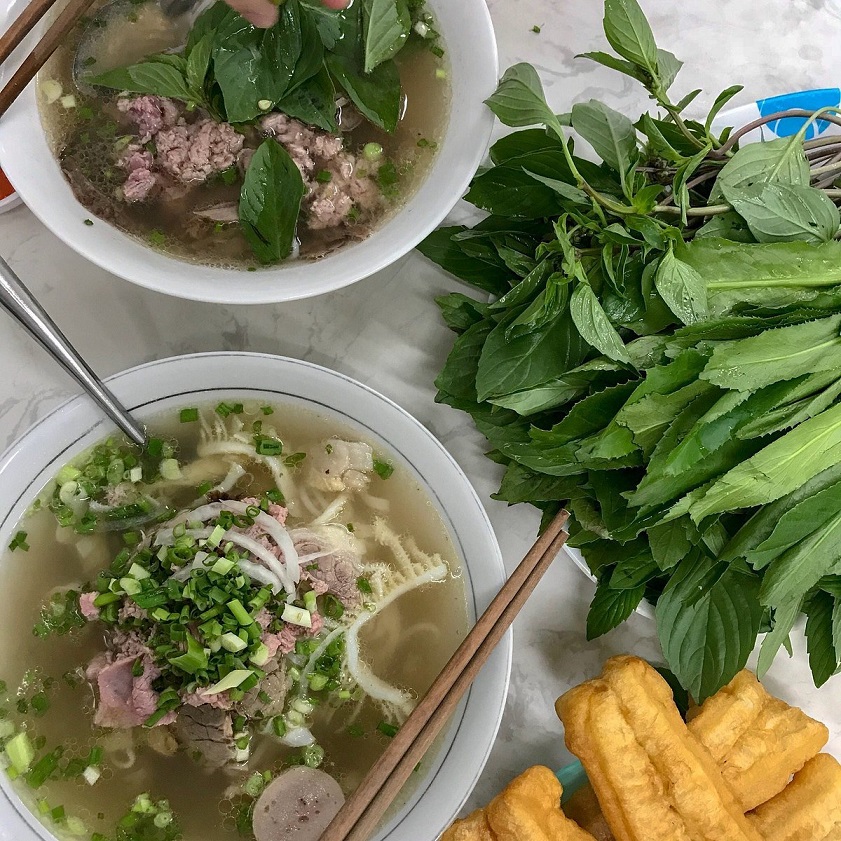
Southern pho is adapted to local tastes, becoming sweeter, richer, and with more herbal flavor than its Northern counterpart. It was served with bean sprouts, fresh herbs, and condiments like hoisin and chili sauce. If Northern pho was subtle and elegant, Southern pho was vibrant and bold.
2.4. In the 1960s
By the 1960s, pho was mostly sold by state-run shops. Beef pho was considered a premium commodity. Some stalls sold broth-only pho (without meat), while others offered pork pho with slices of char siu.
2.5. From 1986 to the present
After Vietnam’s economic reforms in 1986, private food businesses flourished again. With abundant fresh ingredients and spices, pho continued to evolve, becoming a nationwide favorite and a global ambassador of Vietnamese cuisine.
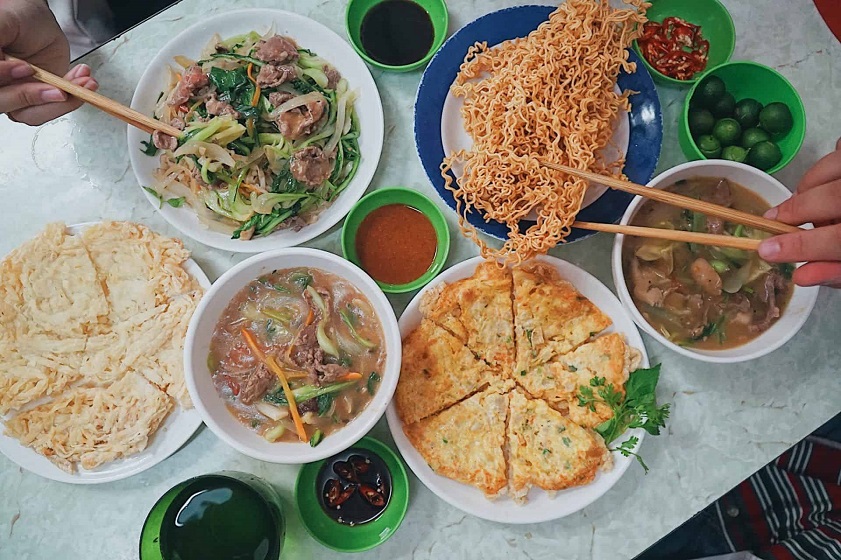
Today, travelers can enjoy countless creative variations, such as:
- Pho tron (mixed pho): dry mixed pho with beef or chicken, flavorful dressing, herbs, and crispy shallots.
- Pho cuon (Pho rolls): soft rice sheets rolled with stir-fried beef and greens, dipped in sweet-sour fish sauce.
- Pho kho (dry pho): served in two bowls: one for noodles with toppings like minced pork and one for hot broth.
- Pho xao (stir-fried pho): stir-fried rice noodles with beef and vegetables in a savory sauce.
- Pho chien (deep-fried pho): fried rice noodle versions, from egg-coated to puffed styles, topped with beef and greens.
- Pho tiu: a sweet-sour, mixed pho topped with char siu and a generous mix of herbs.
>>> Discover: What does pho taste like? Guide to exploring an authentic flavor profile
3. How did pho become popular worldwide?
The history of Vietnamese pho took a global turn after one of the most significant moments in Vietnam’s past. In 1975, when the country was reunified and the war ended, large waves of Vietnamese migrants settled abroad, particularly in the United States, bringing with them the comforting taste of Southern-style pho. At the same time, Vietnam sent students and workers to study and work in countries in the former Soviet Union. Wherever they went, they carried their memories of home, spreading their regional versions of pho across Europe and Asia.
As years passed, pho gained international recognition, proudly becoming a Vietnamese national dish. On September 20, 2007, the word "pho" was officially added to the Shorter Oxford English Dictionary.
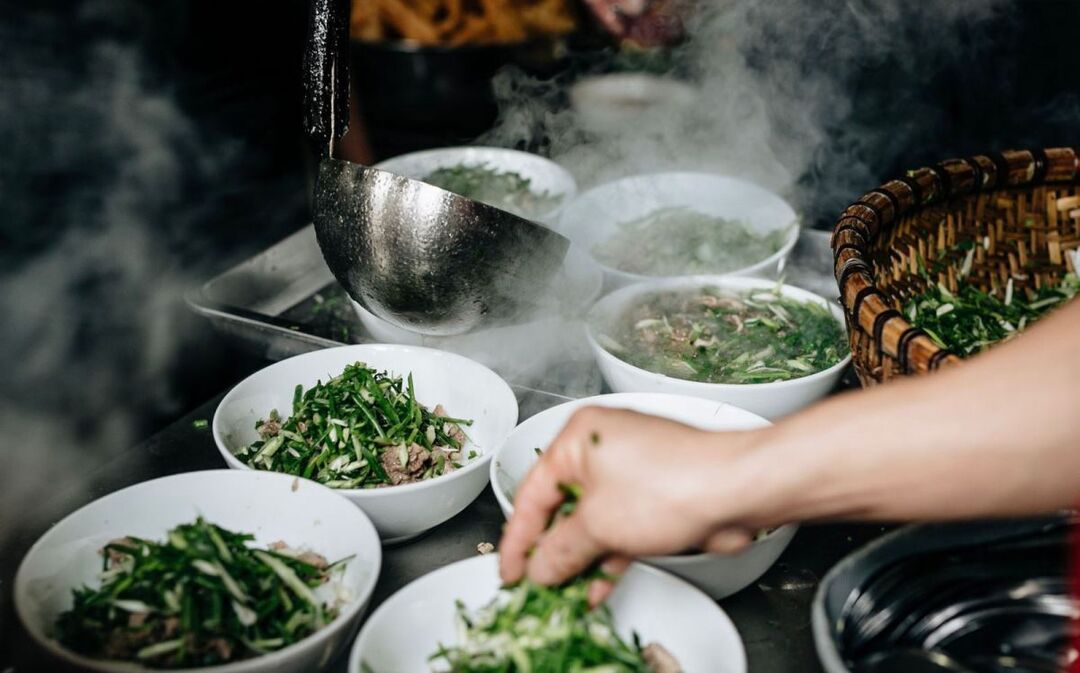
Throughout the history of pho, prestigious travel and food publications have also celebrated this humble noodle soup again and again. In 2011, CNN ranked pho among the “World’s 50 Best Dishes," while Lonely Planet featured it among the top 20 food experiences in its “500 Ultimate Food Journeys” in 2018. The recognition kept growing - in 2022, CNN listed pho among Asia’s 50 best street foods, and by 2024, it was celebrated as one of the world’s 20 best soups. Most recently, TasteAtlas placed Vietnamese beef pho at number 93 in its “Top 100 Dishes of 2025.”
FAQs about the history of Vietnamese pho
Where did pho come from?
Many theories exist about the origin of pho, but the most convincing suggests it evolved from xao trau, a traditional noodle soup from Nam Dinh Province that gradually developed into the iconic Vietnamese dish we know today.
How did Vietnamese pho get its name?
In the history of pho, its name also has several explanations. Some link it to the Cantonese phan or the French feu from pot-au-feu. Another theory traces it to Nom script, where “mễ” (rice), “ngôn” (speech), and “phổ” (popular) combine into “phổ,” which later became “phở.”
When did pho become internationally known?
Looking at the history of pho noodle soup, pho gained international recognition between the 1970s and 1990s as a light, healthy dish. A major milestone came on September 20, 2007, when the Shorter Oxford English Dictionary officially added “pho,” confirming its global culinary status.
Are there any regional variations of pho?
Throughout the history of pho soup, regional variations have emerged, each with its own unique characteristics:
- Pho Hanoi: Clear, aromatic broth from beef bones and spices like star anise and cinnamon. Served with lime and chili.
- Pho Nam Dinh: Richer broth with more ginger and fish sauce, broader noodles, and often stir-fried beef.
- Pho Saigon: Sweeter, fattier broth with smaller noodles. Served with bean sprouts, herbs, hoisin sauce, and chili sauce.
- Pho Lien (Hoi An): Subtly sweet broth with ground peanuts, thin noodles, paper-thin beef, and pickled papaya.
What are the most famous pho restaurants outside Vietnam?
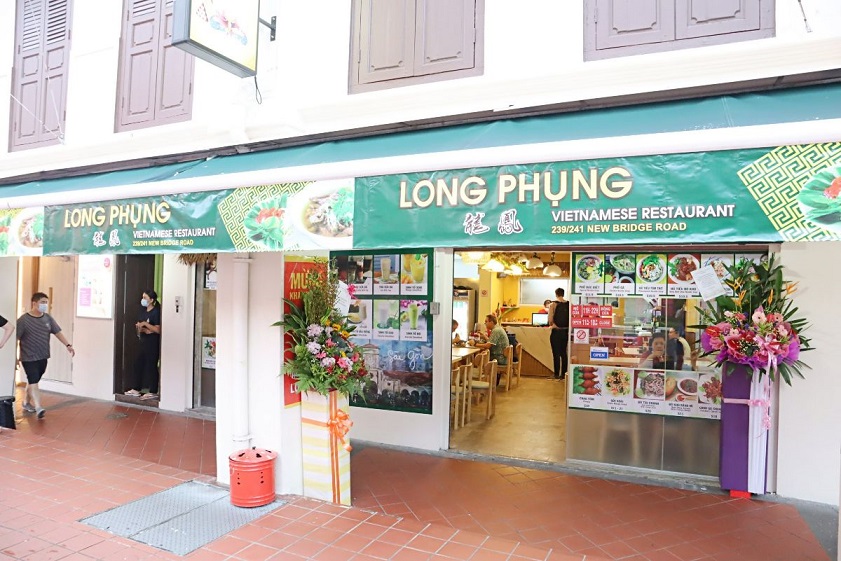
Travelers can enjoy authentic pho at many renowned spots worldwide, such as Moc Quan and Long Phung (Singapore); Pho Pham Thi Chinh (Seoul, South Korea); Pho Thin (Tokyo, Japan); Pho Thin and pho Tau Bay (Australia); District Mot (Berlin, Germany); Cay Tre Soho (London, UK); Pho 14 (Paris, France); and Pho Binh (Houston, USA).
The history of Vietnamese pho is a flavorful reflection of Vietnam’s heritage, resilience, and creativity. From its humble beginnings in the late 19th century to its global fame, pho continues to unite people through its comforting aroma, rich broth, and deep cultural meaning - a timeless dish that tells the story of Vietnam itself.
After learning about the history of pho - one of Vietnam’s must-try dishes, begin your journey of Vietnam travel through top destinations such as Ha Long, Hoi An, Nha Trang, and Phu Quoc.
Across these spots, the premium hotels and resorts of Vinpearl offer the perfect stay, blending stunning architecture, natural scenery, and 5-star amenities. Guests can relax and create lasting memories at restaurants, pools, spas, gyms, golf courses, and more.
For even more excitement, don’t forget to explore VinWonders - a chain of entertainment paradises with hundreds of attractions and thrilling rides for all ages.








.png)
.png)