1. Where is An Nhon Binh Dinh?
An Nhon is a township that once belonged to the former Binh Dinh Province, now part of Gia Lai Province, located about 20 kilometers northwest of Quy Nhon center. Following administrative boundary adjustments, An Nhon currently consists of six communes and wards: Binh Dinh Ward, An Nhon Ward, An Nhon Dong Ward, An Nhon Nam Ward, An Nhon Bac Ward, and An Nhon Tay Commune.
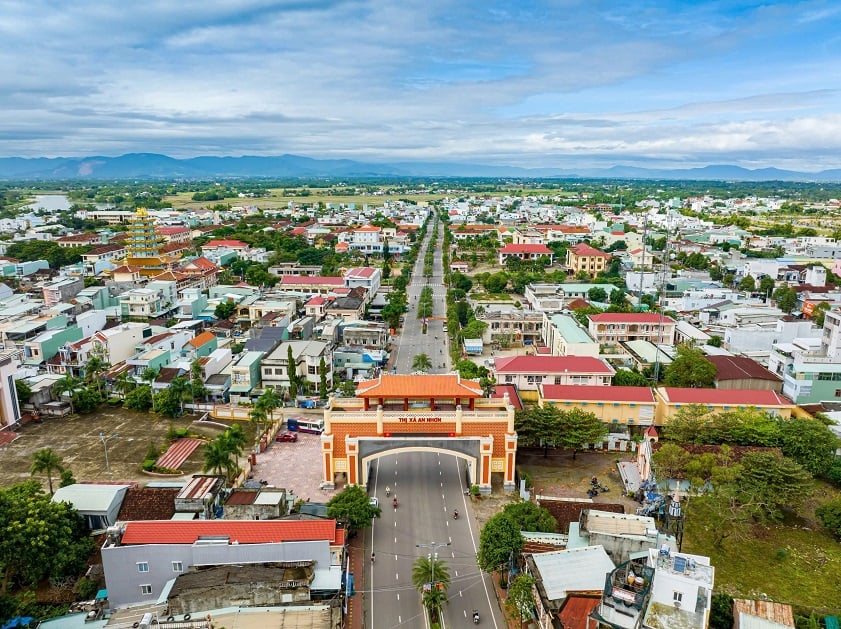
Home to 20 ranked sites of historical, artistic, archaeological, and revolutionary value (including 7 national relics and 13 provincial relics), An Nhon Binh Dinh boasts a rich cultural heritage, making it a fascinating destination for travelers passionate about cultural exploration.
2. How to get to An Nhon from Quy Nhon?
From Quy Nhon Railway Station in the heart of Quy Nhon, travelers can easily reach An Nhon by car or motorbike following the route: Tran Hung Dao Street - Dong Da Street - Ha Thanh 1 Bridge - Vo Nguyen Giap Street - National Road 19 - Ganh Bridge - Road 638 - Tan An Bridge - Road 638 – Tran Phu Street.
For a more local experience, you can take the T4 bus running between Go Gang and Quy Nhon, which has convenient stops in An Nhon, Binh Dinh.
>>> More on: Quy Nhon map: Guide to beaches, temples & local highlights
3. Things to do on your visit to An Nhon
3.1. Go sightseeing to Buddhist sites
An Nhon Binh Dinh is home to several Buddhist landmarks with striking architecture and long-standing history, offering insights into local spirituality and culture.
3.1.1. Thap Thap Pagoda
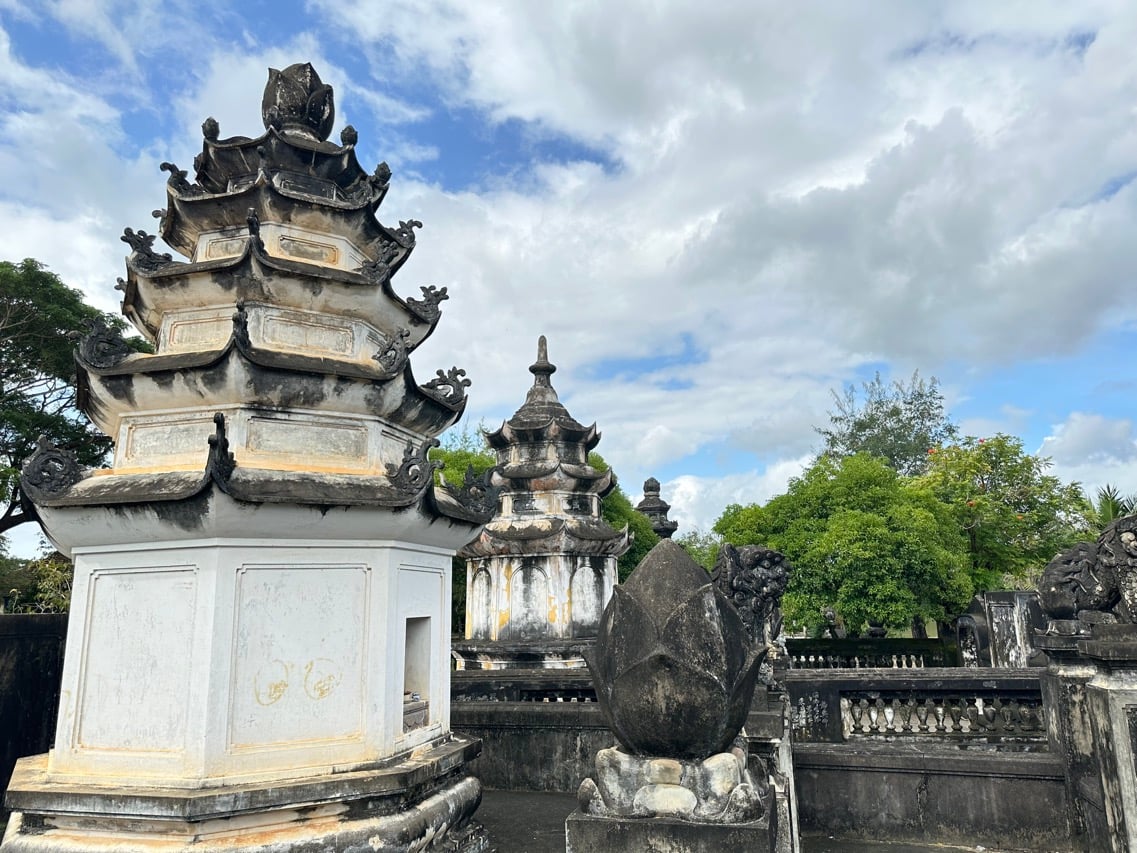
Built in 1668 using red bricks from the ruins of ten Cham towers, Thap Thap Pagoda is a serene place of worship and a symbol of unique Buddhist artistry. Its ancient, mysterious charm preserves the region’s deep cultural and spiritual heritage. Recognized as a cultural and architectural relic in 1990, the pagoda stands as a monumental testimony to the spread of Buddhism in southern Vietnam.
3.1.2. Thien Hung Pagoda
Thien Hung Pagoda is a significant spiritual destination in An Nhon Binh Dinh, known for its distinctive architecture and rich history. Visitors are drawn to its majestic structure and tranquil surroundings, offering a peaceful retreat. The pagoda houses a sacred relic of Buddha Shakyamuni, attracting thousands of pilgrims annually who come to admire its beauty and seek blessings for a prosperous year ahead.
3.1.3. Nhan Son Pagoda
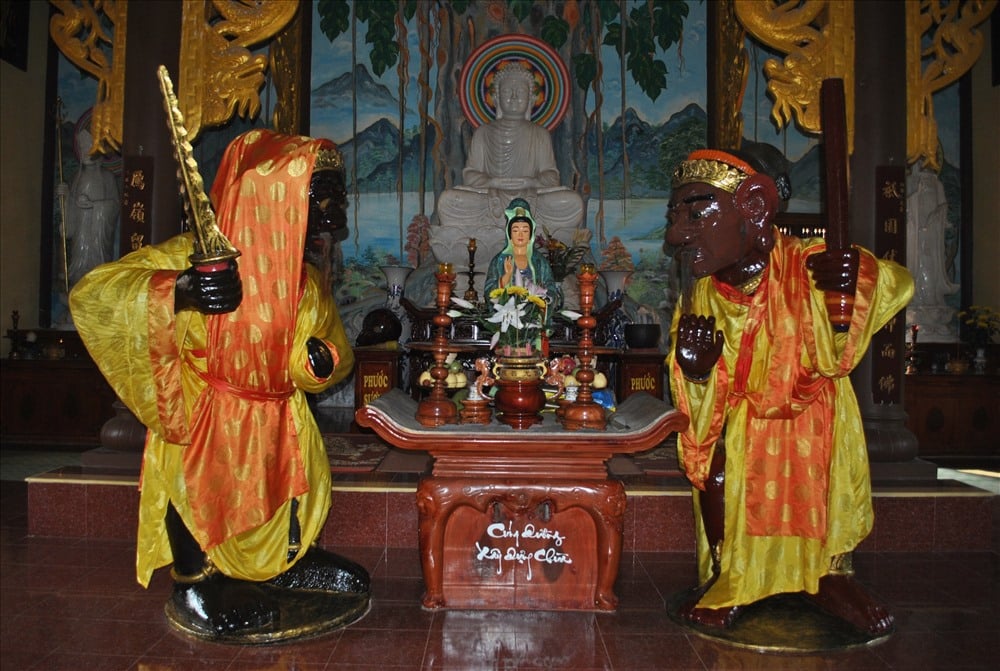
Nhan Son Pagoda is renowned for its sacred and serene atmosphere. Nestled beneath lush mango trees, Nhan Son blends local Cham artistry with Vietnamese cultural elements. The temple features two massive sandstone statues, nicknamed “Mr.Black” and “Mr.Red,” which are legendary protectors in Cham culture. These 2.8-meter guardian figures, dating back to the 12th-13th centuries, represent the pinnacle of Champa artistry and have been recognized as national treasures.
3.2. Admire Champa architecture
No visit to An Nhon Binh Dinh is complete without exploring its Cham towers, which showcase the grandeur and refinement of a once-flourishing civilization.
3.2.1. Phu Loc Tower
Phu Loc Tower, a Cham architectural masterpiece, stands proudly on a 76-meter hill. Its ancient, mysterious design serves as a symbol of Cham cultural heritage. Rising above the surrounding plains like a giant beacon, the tower offers panoramic views of the landscape. Visitors can explore its intricate construction and gain insight into the region’s glorious historical past.
3.2.2. Canh Tien Tower
Canh Tien Tower is a remarkable Cham monument within the Do Ban Citadel complex in An Nhon, Binh Dinh. Built during the Cham civilization’s golden era, it showcases intricate architecture with layered designs resembling soaring wings. Decorated with sandstone carvings and miniature corner towers, it symbolizes both spiritual guardianship and artistic refinement, making it an unforgettable landmark for history and culture enthusiasts.
3.2.1. Binh Lam Cham Tower
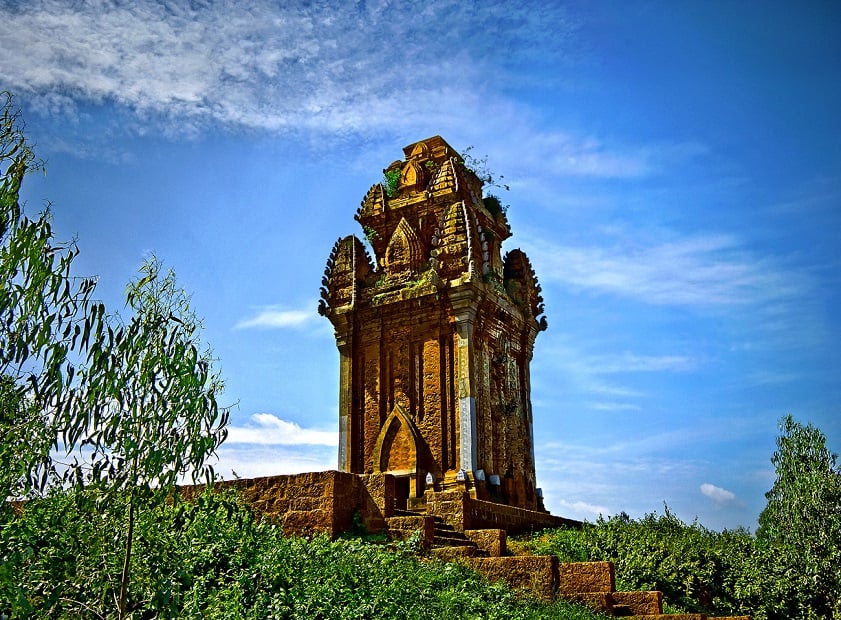
Unlike most Cham towers built on hills, Binh Lam Tower stands on the plain, blending harmoniously with the surrounding villages and the nearby community. With a square base of about 10 meters per side and a height of 20 meters, it features delicate ornamental patterns and a robust architectural style. Recognized as an architectural heritage site since 1993, it represents Cham craftsmanship and cultural legacy.
3.3. Visit traditional craft villages
An Nhon, Binh Dinh, also preserves centuries-old craft villages, where visitors can discover authentic cultural practices and local livelihoods.
3.3.1. Bau Da Wine Village
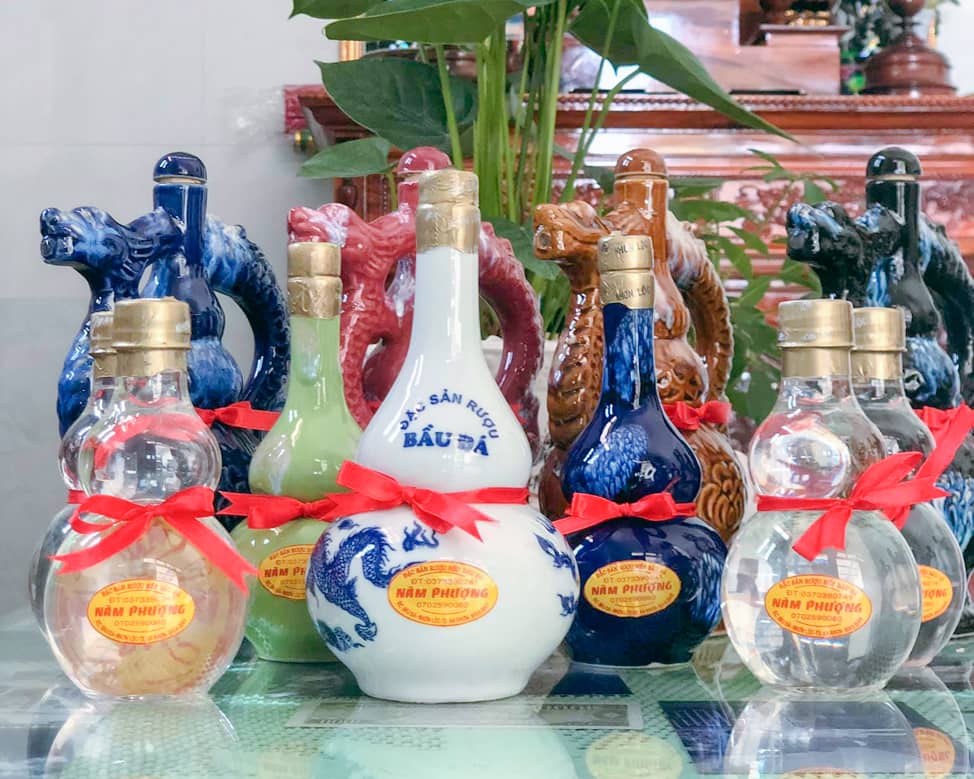
Famous across Vietnam, Bau Da rice wine is distilled by local families using spring water from nearby mountains. The meticulous process, slow cooking five kilograms of rice for six hours to produce just 2.5-3 liters, along with traditional clay jars and copper stills, gives the wine its fiery yet fragrant taste. In 2007, Bau Da Village was officially recognized as a traditional craft village.
3.3.2. Van Son Ceramic Village
About 20 kilometers north of Quy Nhon lies Van Son Ceramic Village, the oldest pottery village in Binh Dinh. Inheriting Cham ceramic traditions, artisans use smooth, ivory-white clay to produce diverse earthenware items like jars, pots, and decorative ceramics. The village maintains a rustic, authentic style with warm, natural tones. Van Son pottery is celebrated nationwide for its practicality, cultural richness, and timeless artisanal charm, reflecting centuries of local heritage.
3.3.3. Truong Cuu Rice Paper Village
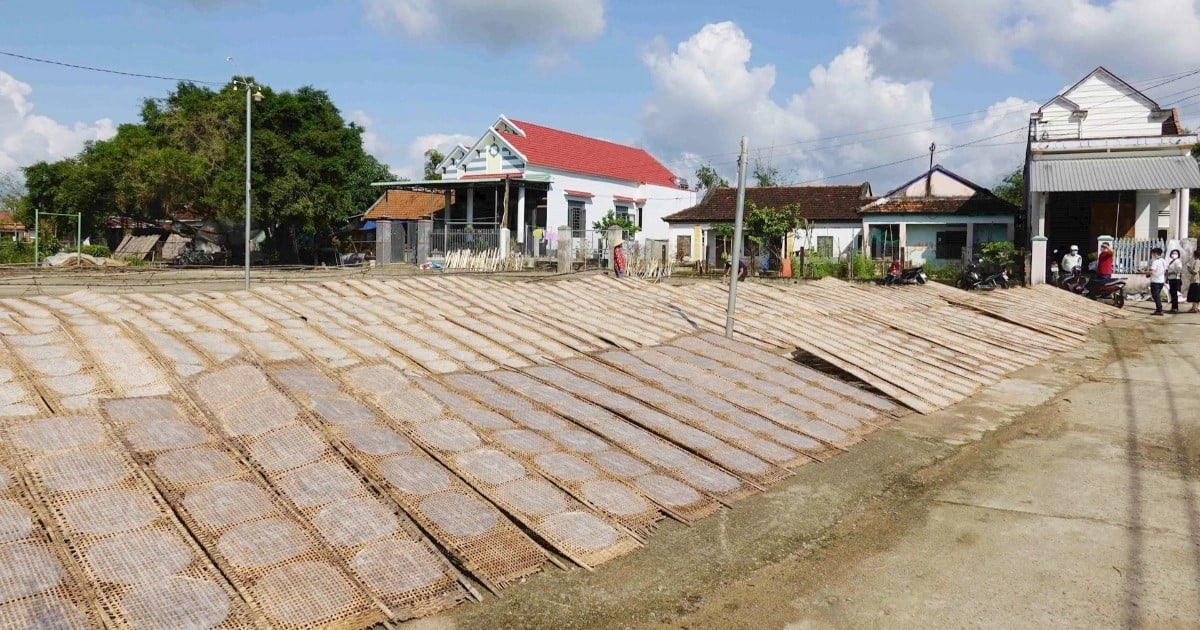
In Truong Cuu Village, An Nhon, Binh Dinh, rice papers are seen drying along fences and village roads. Unlike the thin, white varieties found in markets, these are thicker, golden or dark with sesame, carrying a rich, nutty aroma. Every morning, village women rise early to soak rice, grind it, and prepare batches for drying. Especially before Tet, the whole village bustles with nonstop rice paper making, creating a festive and communal atmosphere.
3.4. Explore Emperor Citadel
The Emperor Citadel, built by the Tay Son dynasty in 1776 on the remains of the Cham kingdom’s Do Ban Citadel, is one of Vietnam’s most distinctive historical sites. Spanning 7,400 meters, it is the country’s largest surviving ancient citadel, with three layers: the Outer Citadel, Inner Citadel, and Forbidden City.
Visitors can explore remnants like laterite walls, Cham-style stone elephants and lions, lakes, pavilions, gateways, and Nguyen-era shrines. Surrounded by hills and rivers, the citadel blends defensive strength with beauty, reflecting both Cham and Tay Son architecture. Recognized as a national historical relic in 1982, the Emperor Citadel stands as a powerful symbol of resilience and heritage.
3.5. Contemplate Nui Mot Lake
Nui Mot Lake is a peaceful retreat for nature lovers seeking fresh air and serenity in An Nhon, Binh Dinh. Covering more than 1,200 hectares, it is one of the largest freshwater lakes in Binh Dinh. Its emerald waters, streams, waterfalls, caves, and forests create stunning scenery, especially at sunset.
The lake is particularly stunning between April and September when the water recedes to reveal wide, grassy plains perfect for camping. Visitors can also explore its abundant aquatic life or take a boat trip across the vast waters, which takes about an hour to complete. Nearby lies a Ba Na ethnic village, where guests can join traditional gong performances and cultural activities.

3.6. Enjoy local specialties
When visiting An Nhon, Binh Dinh, don’t miss the chance to try these delicious and unique local specialties:
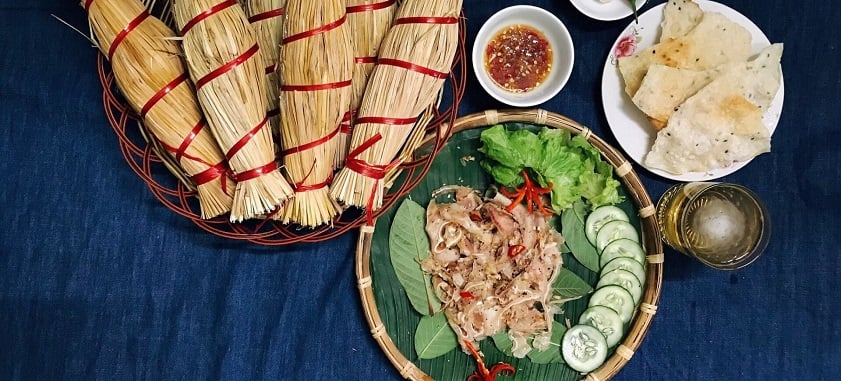
- Tre Binh Dinh: A signature fermented dish of pig’s ear, pork belly, roasted rice powder, galangal, chili, garlic, and guava leaves, offering a bold mix of salty, sweet, sour, and spicy flavors.
- Ram tom dat: Fresh river shrimp blended with pork belly and mushrooms, wrapped in rice paper, deep-fried to a golden crisp, and served with herbs and chili fish sauce.
- Banh it la gai: Distinctive pyramid cakes made from sticky rice and ramie leaves, filled with mung beans, sugar, and coconut for a slightly bitter yet sweet, chewy taste.
- Bau Da wine: A renowned specialty liquor of An Nhon Binh Dinh, famous for its pure, strong, and aromatic taste. It pairs perfectly with regional dishes.
- Banh hong: A chewy rice cake made from sticky rice and shredded coconut, traditionally served at weddings to symbolize joy and good fortune.
- Banh thuan: A Tet holiday favorite of eggs, tapioca starch, and sugar, baked over charcoal for a sweet, buttery aroma.
- Cha ca cuon rau ram: Golden fried fish patties rolled with Vietnamese coriander, combining savory crunch with fresh herbal notes.
3.7. Take part in traditional festivals
An Nhon Binh Dinh also charms visitors with its vibrant traditional festivals that preserve the region’s rich cultural identity. Local communities proudly maintain events such as the Via Ba Festival in Nhon Phong, ceremonies at the Tay Phuong Danh blacksmith village, the Bau Da rice wine village, and the Ngai Chanh rice noodle village.
Among the most famous is the Do Gian Festival, held annually from the 15th to the 17th day of the seventh lunar month in An Thai, a land celebrated for Binh Dinh martial arts. Its highlight is a dramatic contest where fighters try to seize a roasted pig atop a 10-meter altar. The winning village earns honor, and the pig is shared among participants. Visitors also enjoy opera, lion dances, lanterns, and lively celebrations that showcase the region’s warrior spirit and community pride.
>>> Discover: 15 things to do in Quy Nhon you shouldn’t miss on your trip
FAQs about An Nhon Binh Dinh
What is An Nhon famous for?
An Nhon is best recognized for its ancient Cham towers, traditional martial arts, historic craft villages such as rice paper making, drum making, and bronze casting, along with many important cultural and historical landmarks.
When is the best time to visit An Nhon?
The ideal period is from March to September, when the weather is sunny and dry - perfect for sightseeing and countryside trips. Despite the heat, the constant sea breeze keeps the climate comfortable rather than stifling.
How far is An Nhon from Quy Nhon?
The town lies about 20 kilometers from Quy Nhon, roughly a 25-30 minute journey by motorbike or car.
Is An Nhon suitable for a day trip?
Yes. You can see the main highlights in An Nhon Binh Dinh in a single day, though an overnight stay gives you more time to enjoy its history, culture, and craft villages at a slower pace.
Where can I stay when visiting An Nhon?
Most visitors choose accommodations in Quy Nhon, where hotels and homestays are plentiful. However, a handful of simple guesthouses are also available within An Nhon itself.

>>> Explore: Is Quy Nhon worth visiting? 11+ highlights of the coastal gem
An Nhon, Binh Dinh, invites travelers to explore its rich blend of history, culture, and natural beauty. From majestic Cham towers and peaceful lakes to traditional craft villages and delicious local cuisine, the town offers experiences for every interest. Whether for a day trip or a longer stay, An Nhon promises unforgettable memories for all visitors.
When exploring Vietnam, be sure to visit highlights like Hanoi, Phu Quoc, Nha Trang, Hoi An, and Ha Long. Guests can indulge in the luxury and convenience of the hotels and resorts of Vinpearl, where impressive architecture blends seamlessly with top-tier amenities, including pools, golf courses, gourmet restaurants, spas, and meeting halls.
For thrill-seekers, the entertainment complexes of VinWonders provide endless fun with exciting rides and immersive attractions.









.png)
.png)