1. Where is Can Tho Prison? How to get there?
- Location: 8 Ngo Gia Tu Street, Ninh Kieu Ward, Can Tho (former Tan An Ward, Ninh Kieu District)
- Opening hours: 8 AM - 11 AM | 2 PM - 5 PM (closed on weekends)
- Entrance fee: Free
Can Tho Prison stands as a solemn reminder of the sacrifices made during the struggles against colonial and imperial forces. Today, it is a poignant historical site for visitors interested in the heroic past of southern Vietnam.
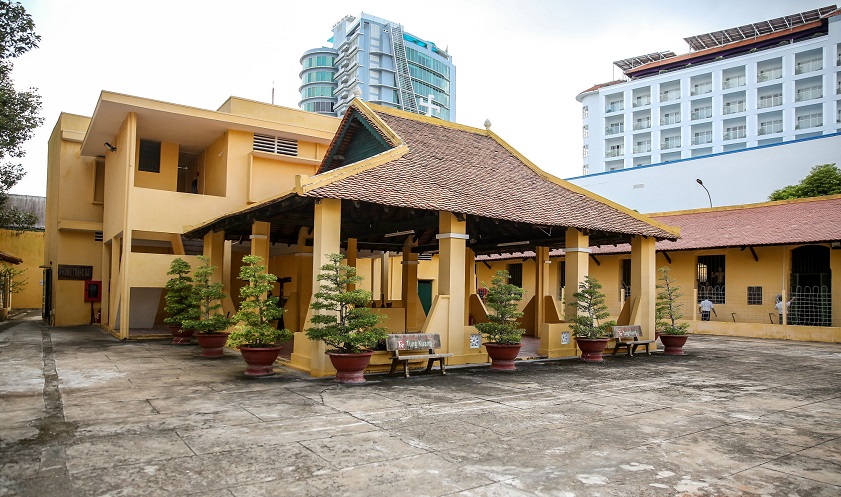
To get to this prison in Can Tho, make your way to Vo Van Kiet Street. Follow Vo Van Kiet Street southeast onto Mau Than Street. At the end of Mau Than Street, turn left onto 30 Thang 4 Street. Keep going onto Hoa Binh Avenue. At the end of Hoa Binh Avenue, go past the roundabout and turn right onto Ngo Gia Tu Street.
2. Historical significance of Can Tho Prison
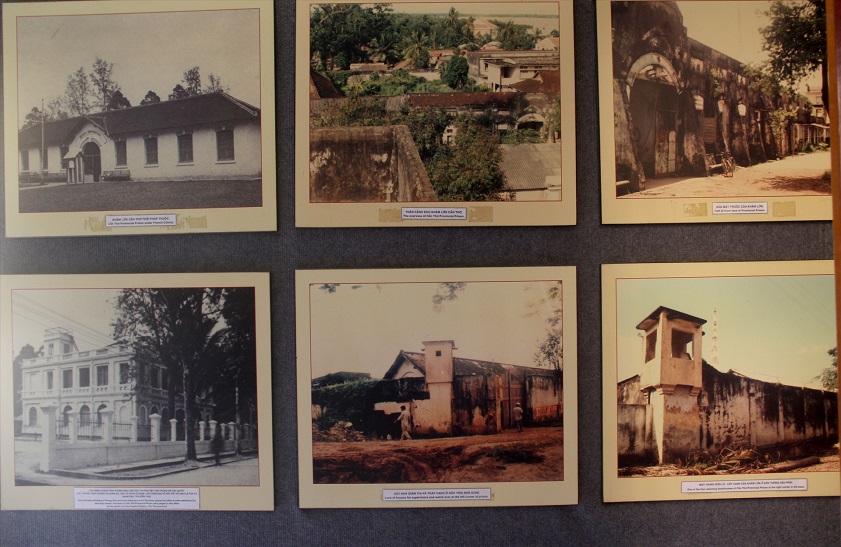
Can Tho Prison holds deep historical significance. Built by the French between 1876 and 1886, it was known as Prison Provinciale. Spanning over 3,700m², the prison was strategically located near the Provincial Governor’s Palace and isolated from residential areas. After the 1954 Geneva Accords, the Saigonese government renamed it the “Reeducation Center.” Regardless of the name, it remained a place of brutal repression, where thousands of patriots were imprisoned and tortured.
Can Tho Grand Prison was a symbol of unyielding resistance, patriotism, and the indomitable will of Vietnamese people. After the South was fully liberated, the prison stood as a haunting reminder of colonial crimes and the sacrifices of past generations. On June 28, 1996, it was officially recognized as a National Historic Site.
3. What to explore at Can Tho Prison?
3.1. Time-honored architecture
The prison entrance features an arched gate flanked by the warden's office. The perimeter is enclosed by walls of 3.6m - 5m tall lined with glass shards and barbed wire. Guard towers at each corner once monitored inmates day and night. Inside are 21 communal cells, multiple solitary confinement rooms, a kitchen, and a chapel - built by colonizers under the guise of respecting prisoner beliefs. In 1963, two additional buildings were added behind the chapel, one of which served as a vocational center for the inmates.
3.2. Prison scene reenactments
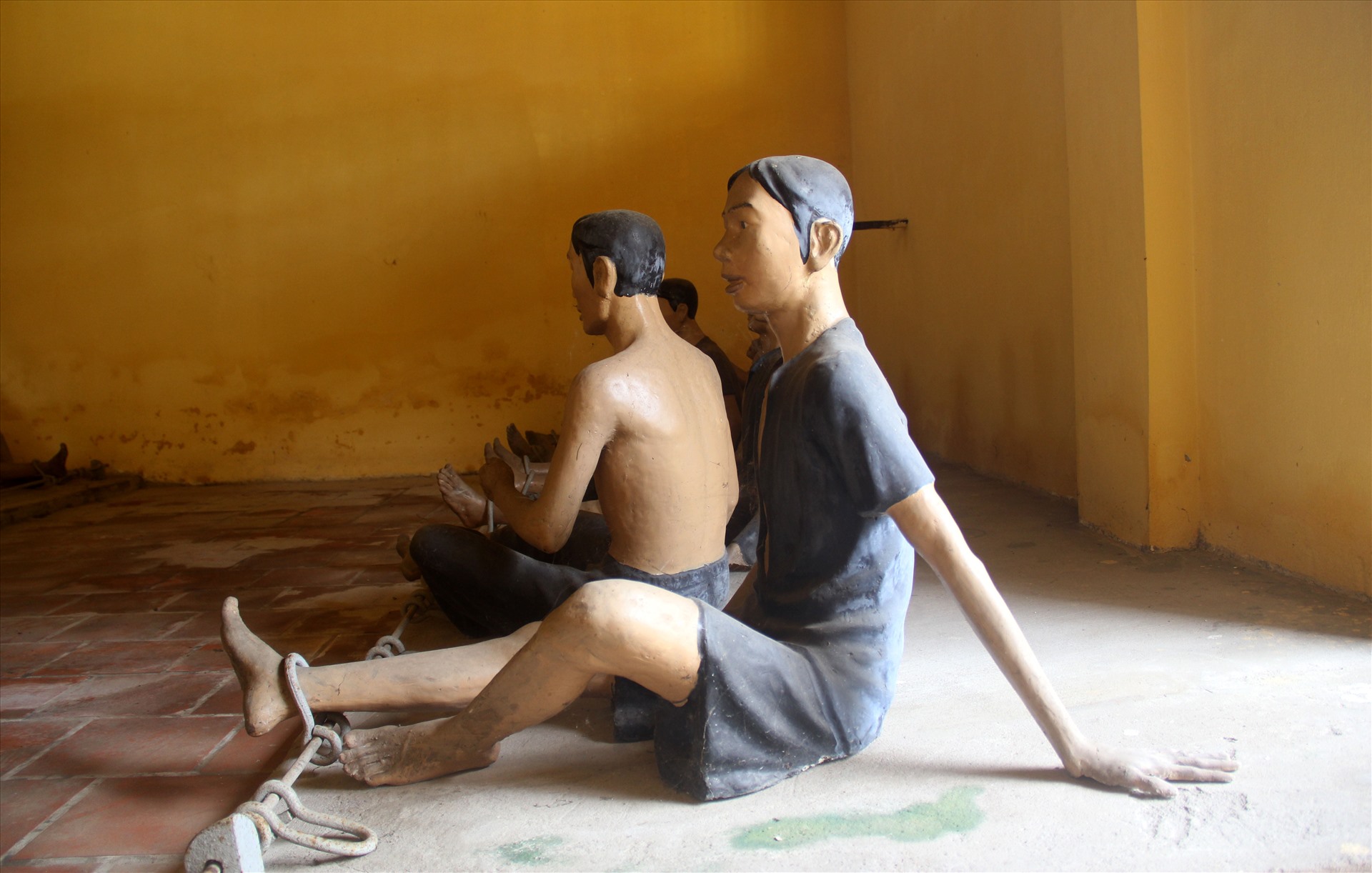
At Can Tho Prison, visitors will find powerful reenactments that recreate the harsh reality endured by Vietnamese patriots. Life-sized statues and settings vividly depict scenes of torture, starvation, and solitary confinement. The recreated torture chambers, equipped with iron bars and shock devices, leave a lasting impression on visitors.
These displays honor the unbreakable spirit of revolutionaries who, despite facing brutal treatment, remained steadfast in their ideals. Notable figures such as Quan Trong Hoang (Secretary of the Can Tho Interprovincial Committee), Le Van Nhung (Secretary of the Can Tho Provincial Committee), and Ngo Huu Hanh (Standing Member of the Can Tho Provincial Committee), along with many others, were imprisoned here.
3.3. Valuable artifacts
Complementing these vivid reenactments is a collection of deeply moving artifacts that belonged to former political prisoners. Among them are a hand-embroidered pillowcase and a self-made oil stove crafted by Phan Thanh Si, baby clothes prepared by Le Kim Tien during her pregnancy in captivity, and a wool sweater knitted by female inmates for Nguyen Thi Hue.
One of the most symbolic items is the faded black "bà ba" shirt worn by Vo Thi Von. The centerpiece of the exhibition is the painting “Ra trường bắn” by artist To Du, portraying the calm final moments of Le Van Nhung and Ngo Huu Hanh as they walked to the firing squad on June 4, 1941. These artifacts carry immense emotional weight, helping to preserve and pass down the stories of courage, endurance, and national pride.
3.4. Touching stories
Visitors to Can Tho Prison will hear narrated accounts of many heroic stories about the revolutionaries during their imprisonment. One such story is that of female political prisoner Le Kim Tien. Her experience is just a small fragment of the countless memories preserved here, yet it vividly reflects the tragic yet resilient years of struggle against colonial and imperial forces.
>>> Don’t forget to explore the Mekong Delta during your holiday in Vietnam!
4. Important notes while visiting Can Tho Prison
Here are some notes that you should bear in mind when visiting Can Tho Prison:
- Dress respectfully
- Avoid touching the artifacts
- Do not film or photograph without permission
- Bring water and wear sun protection on hot days
- Contact the prison in advance to request guided tours.
5. Where to visit near Can Tho Prison?
If you have time, it is highly recommended that you explore these nearby attractions:
- Can Tho Museum (300m away): This museum showcases the cultural and historical evolution of the Mekong Delta, highlighting the lives and traditions of the Kinh, Hoa, and Khmer communities.
- Ong Pagoda (350m away): Built in the 19th century by Cantonese and Zhaoqing immigrants, Ong Pagoda is a striking Chinese temple dedicated to the deity Guan Yu.
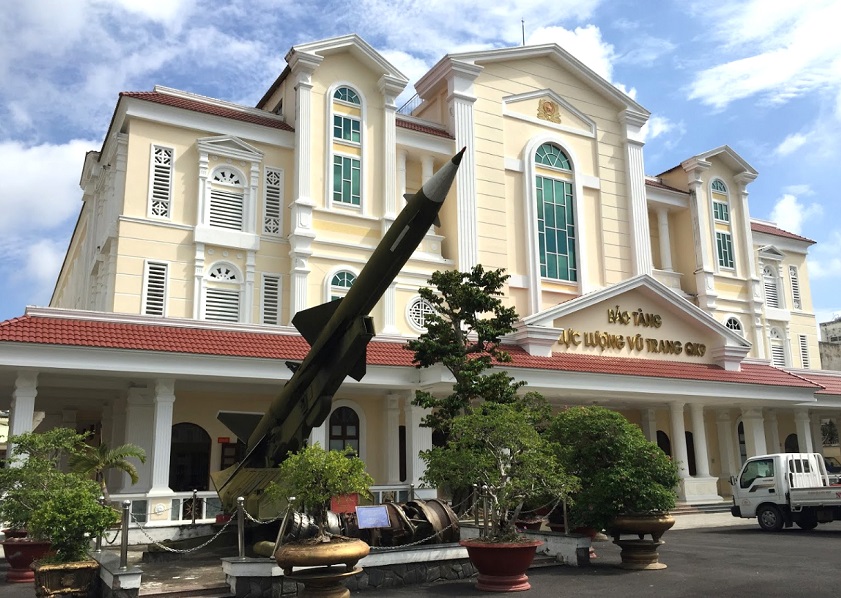
- Military Zone 9 Museum (500m away): This museum displays the history of the Mekong Delta’s armed forces. Special exhibits honor national leaders like President Ho Chi Minh and Ton Duc Thang.
- Ninh Kieu Wharf (550m away): A beloved riverside promenade along the Hau River, Ninh Kieu Wharf is an ideal spot to take in the sunset, stroll among locals, or enjoy a river cruise.
- Can Tho Market (650m away): Also known as the Old Market, this colonial-era structure offers a variety of local products. It is a perfect place to shop for souvenirs and taste specialties.
>>> Read more: Mekong Delta tour: A fascinating journey through Vietnam's iconic region
Can Tho Prison is more than just a historical site, it is a solemn reminder of the resilience, sacrifice, and unwavering spirit of the Vietnamese people during times of struggle. A visit here not only deepens your understanding of the nation’s turbulent past but also offers a profound sense of respect for those who fought for freedom. Whether you are a history enthusiast or a curious tourist, it is a meaningful stop that will add depth to your journey through the Mekong Delta.
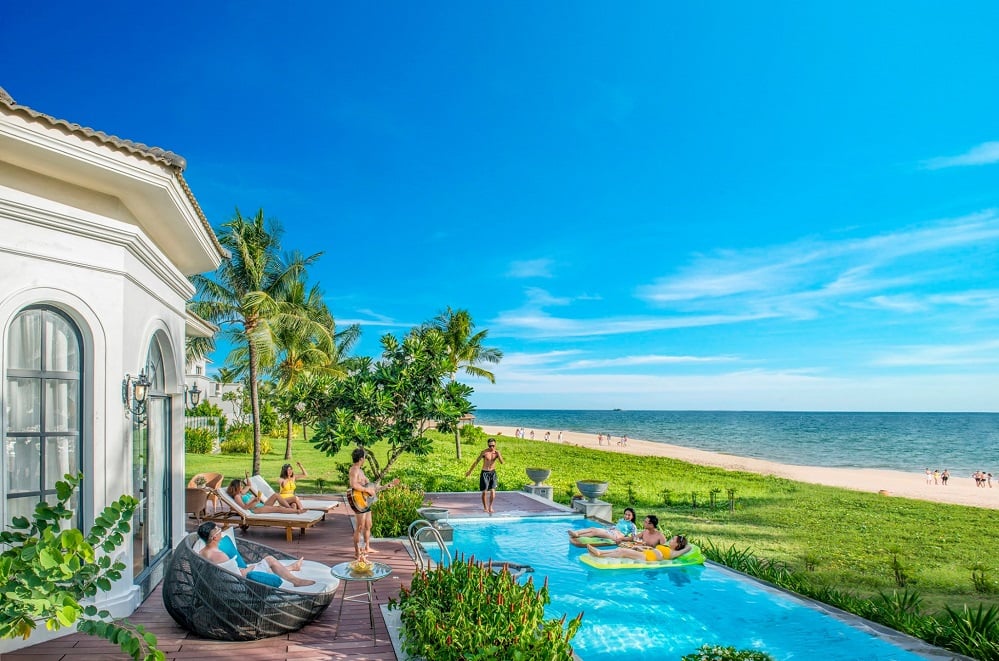
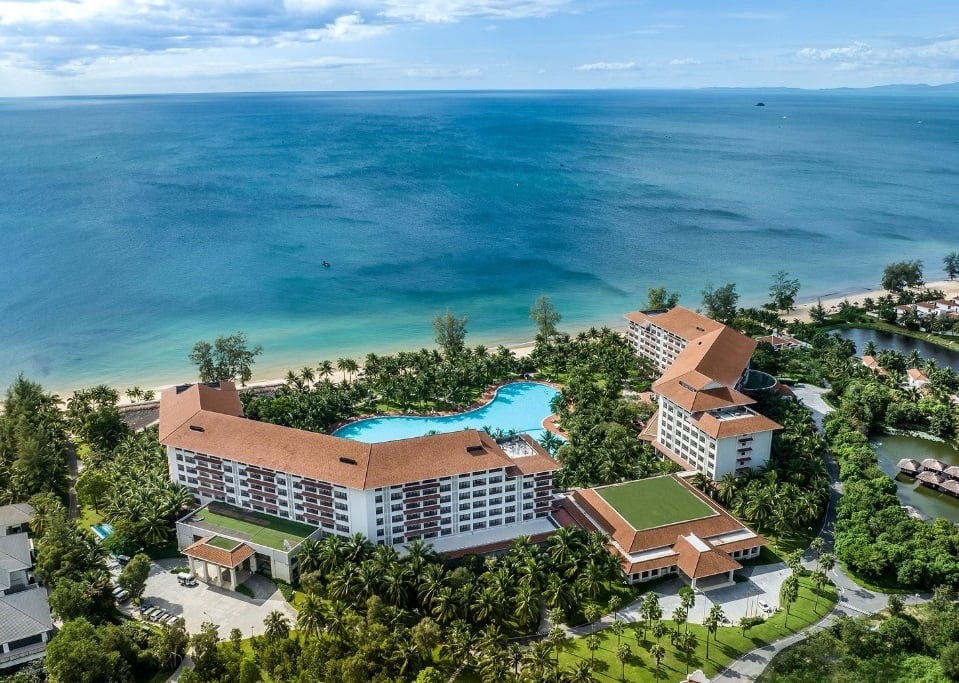
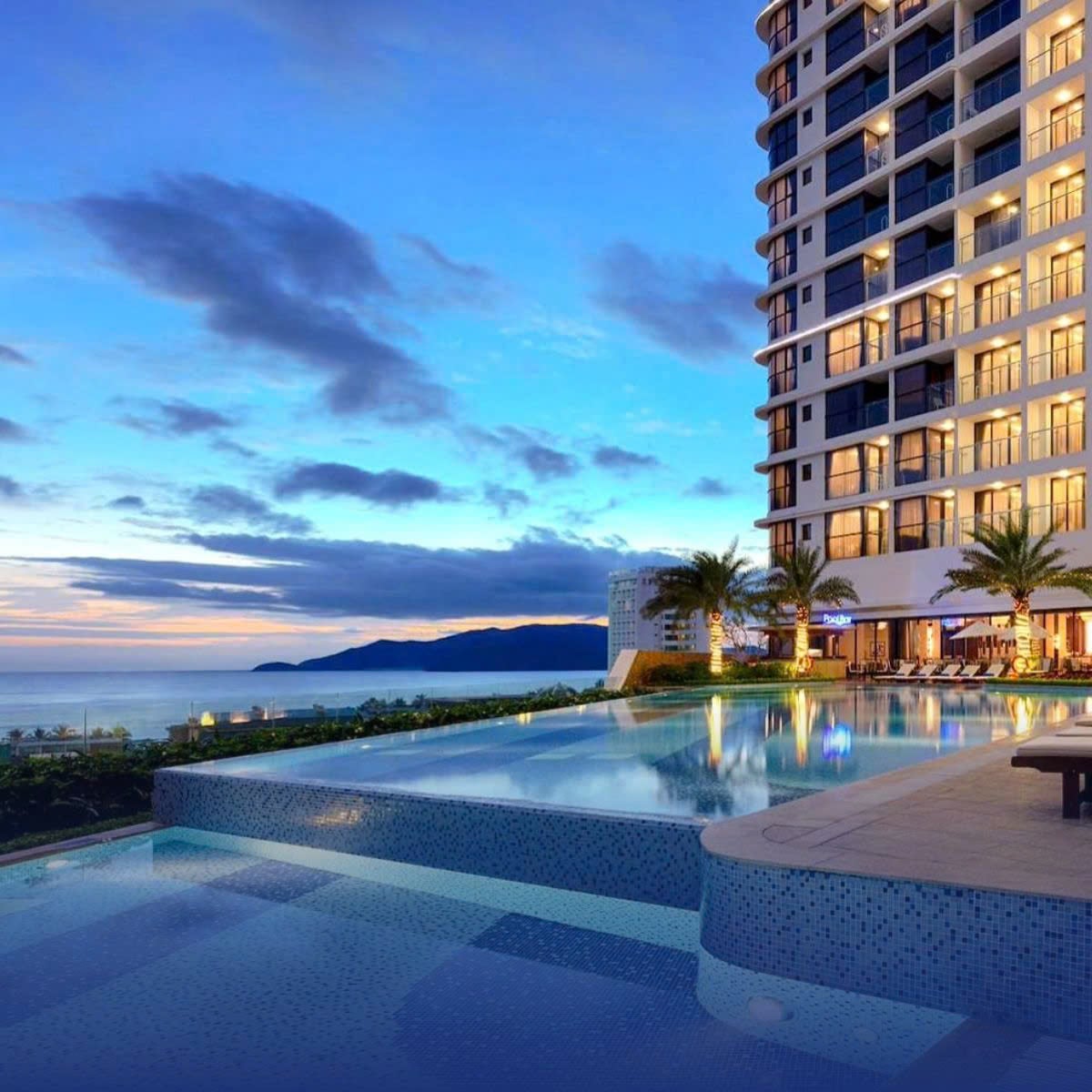
After exploring Can Tho, you should consider extending your Vietnam travel to other destinations such as Ha Long Bay, Da Nang, Hoi An, Nha Trang, and Phu Quoc. Wherever your journey takes you, you can elevate your experience with a stay at the premium resorts and hotels of Vinpearl. Located in Vietnam’s top destinations, Vinpearl offers luxurious accommodations, tranquil beaches, diverse dining options, spas, golf courses, and family-friendly amenities - perfect for both relaxation and recreation.
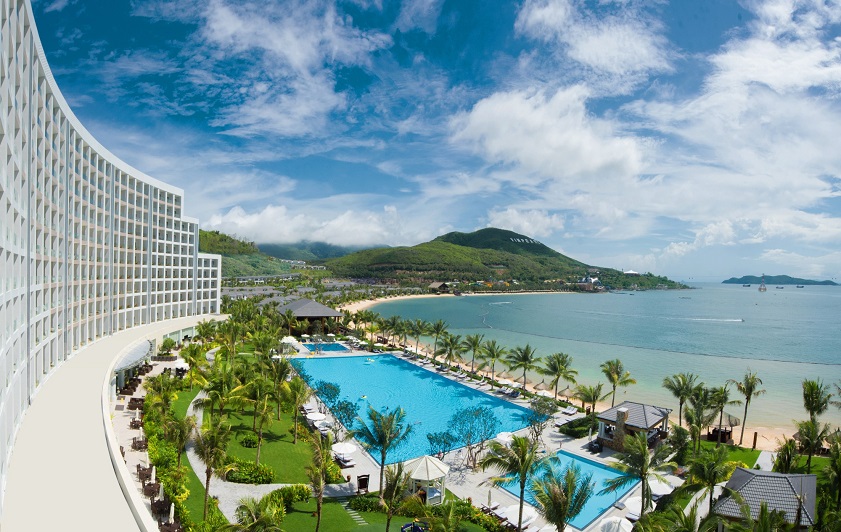
Discover more about Vinpearl resorts & hotels
For added excitement, don’t miss out on the fun at VinWonders, a chain of entertainment complexes designed for all ages, featuring roller coasters, interactive games, cultural shows, and much more.








.png)
.png)