1. Where is Long Khanh Pagoda? How to get there?
Long Khanh Pagoda is located at 141 Tran Cao Van Street, Quy Nhon Ward, Gia Lai Province. The temple's administrative designation has evolved through recent territorial changes - originally in Le Loi Ward, it was reassigned to Thi Nai Ward, Quy Nhon City, Binh Dinh Province in December 2024, before settling under its current jurisdiction in Gia Lai Province following the 2025 administrative consolidation.
With a history of more than 300 years, the pagoda has retained its solemn and sacred atmosphere amid the bustling heart of old Quy Nhon. From the center of Quy Nhon, visitors can reach Long Khanh Pagoda in just a few minutes by motorbike, bicycle, or car, covering a distance of nearly two kilometers. A common route goes along Tran Hung Dao Street, then Le Hong Phong Street, followed by Phan Boi Chau Street, and finally turns right onto Tran Cao Van Street leading to the pagoda.
>>> Explore: Quy Nhon map: Guide to beaches, temples & local highlights
2. A glance at the history of Long Khanh Pagoda
Historical records indicate that Long Khanh Pagoda was established in 1715 by Zen Master Duc Son. Over more than three centuries and through 14 abbots, the pagoda has undergone multiple restorations by Zen Masters Tich, Thien Chanh, Chinh Nguyen, and Chanh Nhon. Its most significant renovation took place from 1956 to 1972.
Despite architectural changes over time, this spiritual site remains one of the province’s main Buddhist centers, preserving valuable historical and cultural relics. The pagoda also hosts annual summer retreats for young visitors, combining spiritual practice with cultural education.
>>> Check out: Is Quy Nhon worth visiting? 11+ highlights of the coastal gem
3. Things to do explore at Long Khanh Pagoda
3.1. The triple-arch gate
Built to serve the spiritual needs of the Chinese community, Long Khanh Pagoda is designed in the shape of the character “Khau (口),” reflecting the architectural style of southern Chinese temples. Visitors enter the pagoda through a sturdy triple-arch gate made of green stone and topped with traditional yin-yang roof tiles.
Above the central arch sits an upper pavilion featuring a serene white-robed statue of Avalokiteshvara, complemented by intricate curved carvings on the roof, creating a sacred atmosphere for the temple. In front of the gate, a striking golden incense burner is placed, flanked by two majestic white stone lions on either side, symbolically guarding and preserving the tranquility of this spiritual sanctuary.
3.2. The 17-meter-high Buddha statue
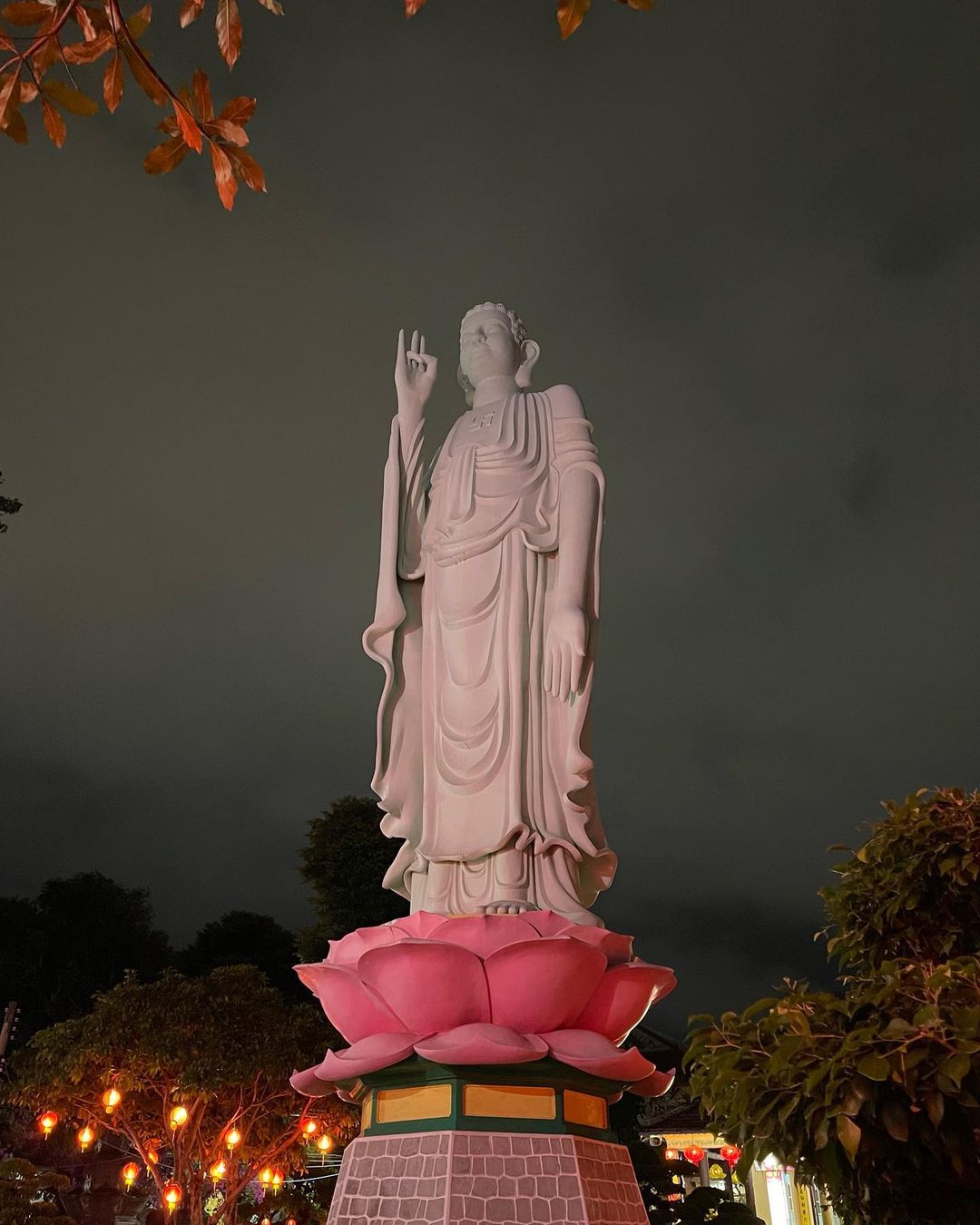
Dominating the front courtyard of Long Khanh Pagoda is a majestic 17-meter statue of Amitabha Buddha, consecrated in 1972. The statue stands gracefully atop a blooming pink lotus on a solid octagonal green stone base.
Its gentle expression and serene posture embody peace, compassion, and wisdom, inspiring visitors to reflect and meditate. Set amid a clear lotus pond and vibrant potted plants, the statue creates a tranquil and open atmosphere. As one of the highlights of the pagoda, devotees often come to offer prayers, light incense, and seek spiritual guidance.
3.3. The main hall
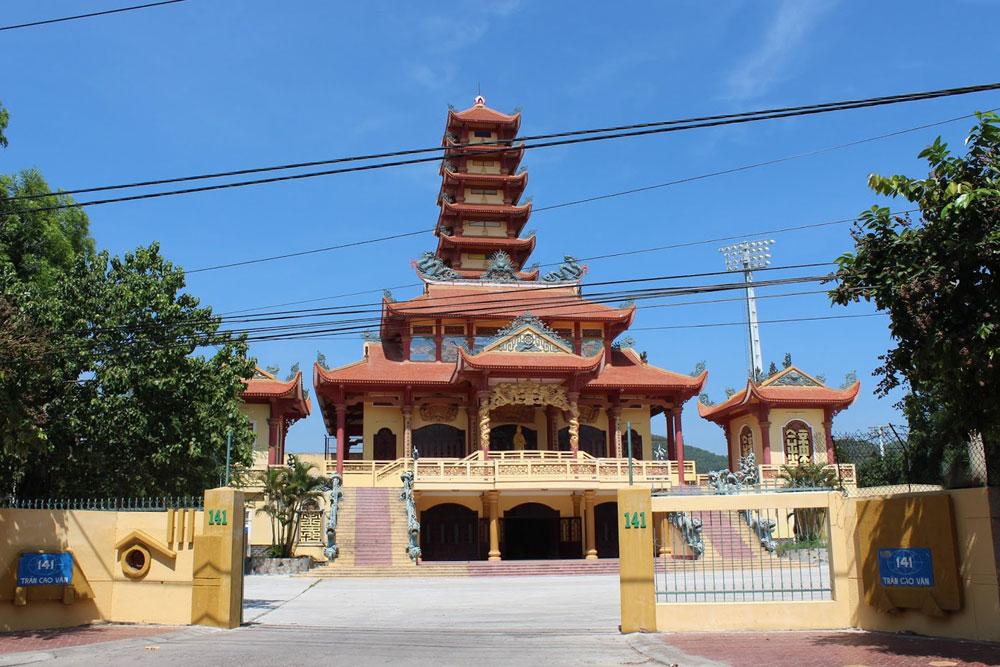
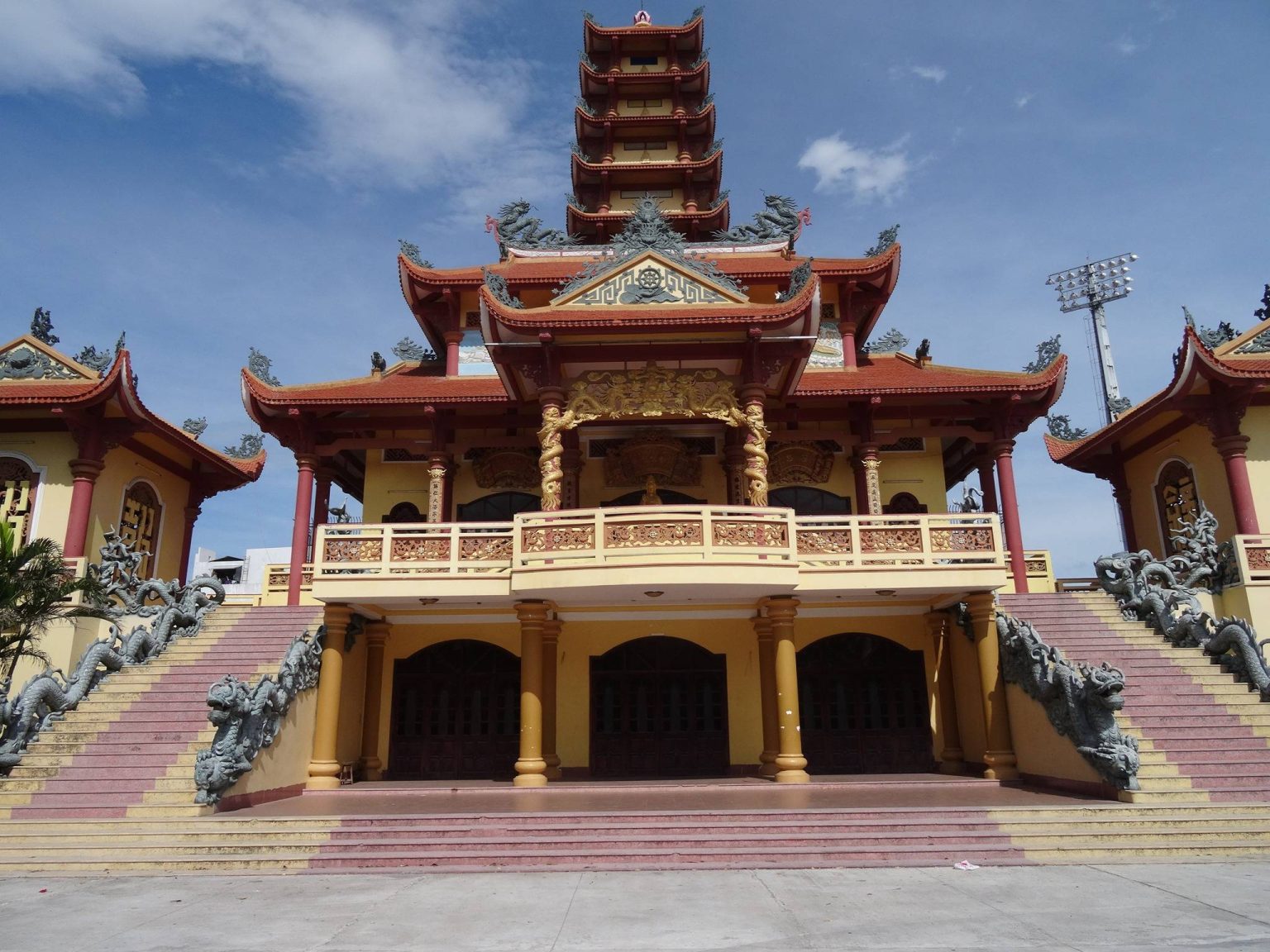
The main hall, the largest structure of Long Khanh Pagoda, is built in the traditional “Tien Duong - Hau Tam” style with elegantly curved red-tiled roofs on a raised platform over 1.5 meters high. The central hall rises in multiple tiers, forming a tall tower that stands out against the sky, while intricately carved wooden doors bear the temple’s name in gold.
Concrete steps flanked by two stone dragons lead visitors into the hall, creating a sense of ancient grandeur. Inside, a 2-meter bronze statue of Shakyamuni Buddha stands at the center, flanked by Amitabha Buddha and Cundi Bodhisattva, completing the hall’s serene and majestic atmosphere.
3.4. The back hall
Located behind the main worship area, the back hall offers a more intimate and tranquil space for prayer and reflection. It spans 48 square meters and houses a 1.5-meter-tall bronze statue of Shakyamuni Buddha weighing over 1,200 kilograms.
To the left stands the 7-meter-tall bell tower, holding a 1.7-meter bronze bell cast in 1805 by the venerable monk Nguyen Trinh Tuong during the fourth year of Emperor Gia Long’s reign. On the right, the drum tower features a 1.5-meter drum, creating a perfectly balanced ensemble.
3.5. Ancient artifacts & other statues
Long Khanh Pagoda safeguards a rich collection of historical treasures. Highlights include the 17-meter-tall Amitabha Buddha, the white-robed Avalokiteshvara, Shakyamuni Buddha, Cundi Bodhisattva, and a massive bronze statue of Shakyamuni.
Architectural relics such as the 7-meter bell tower and the 1.7-meter bronze bell weighing over 700 kilograms add to the temple’s grandeur. Among its most treasured artifacts are the Thai Binh Hong Bell, cast in 1805, and the “Long Khanh Tu” emblem seal from 1813, both offering a vivid connection to the temple’s centuries-old spiritual heritage.
>>> Discover: 15 things to do in Quy Nhon you shouldn’t miss on your trip
4. Top attractions near Long Khanh Pagoda
After visiting Long Khanh Pagoda, visitors can also explore other local attractions, including:
- Quy Nhon Cathedral (700 meters away): A beautiful Gothic-style church with twin bell towers and stained glass windows, standing as a landmark in the city center.
- Dam Market (1.5 kilometers away): A lively market offering fresh seafood, regional specialties, souvenirs, and traditional snacks, where visitors can experience the daily life of Quy Nhon.
- Quy Nhon Square (1.6 kilometers away): A spacious gathering place with fountains, gardens, and benches, often hosting evening walks, cultural activities, and seasonal festivals.
- Quy Nhon Food Street (1.6 kilometers away): A vibrant culinary stop filled with food stalls and small restaurants serving local favorites like banh xeo, banh hoi, and freshly prepared seafood.
- Quy Nhon Night Market (1.8 kilometers away): Bustling after sunset with food vendors, souvenir shops, and fashion stalls, creating a lively atmosphere for dining and shopping.
FAQs about Long Khanh Pagoda in Quy Nhon
When was Long Khanh Pagoda built?
It was originally constructed in the early 18th century and has been restored several times.
What is Long Khanh Pagoda famous for?
The temple is renowned for its sacred atmosphere, historical relics, and the impressive 17-meter-high Buddha statue.
Is there an entrance fee to visit Long Khanh Pagoda?
No, admission is free, though donations are encouraged to support the pagoda’s upkeep.
What should I wear when visiting Long Khanh Pagoda?
Visitors should dress modestly, covering your shoulders and knees, as a sign of respect.
When is the best time to visit Long Khanh Pagoda?
The pagoda is open year-round, but many visitors prefer to come during Vesak or summer retreats for a more vibrant atmosphere.
More on: Quy Nhon weather: Climate insights for your best trip ahead
Long Khanh Pagoda is not only a place of spiritual devotion but also a window into the rich cultural and historical heritage of Quy Nhon. A visit here offers a peaceful retreat from the bustling city and a chance to connect with centuries of tradition. For anyone seeking serenity, culture, and a glimpse into Vietnam’s past, Long Khanh Pagoda is truly a must-visit destination.
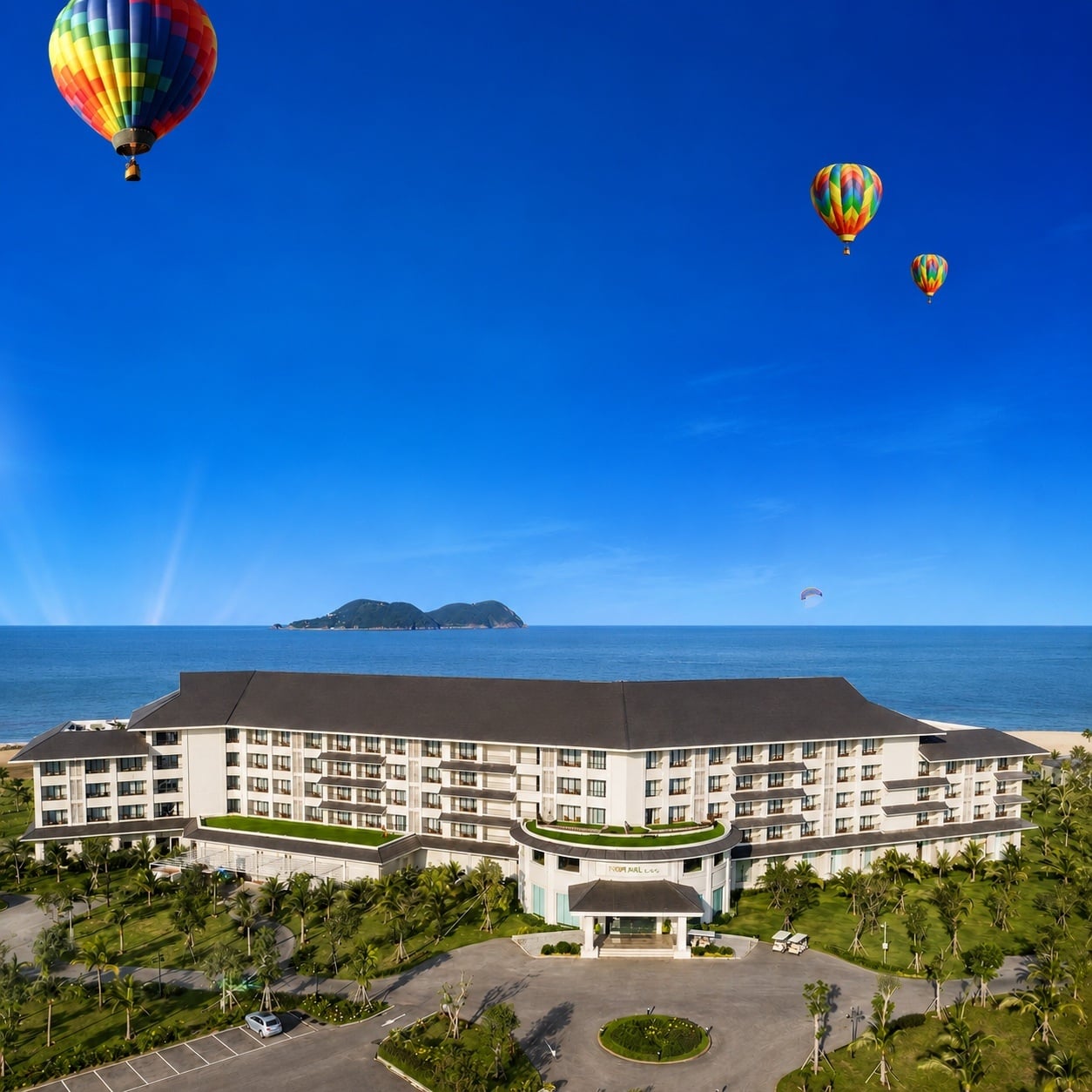
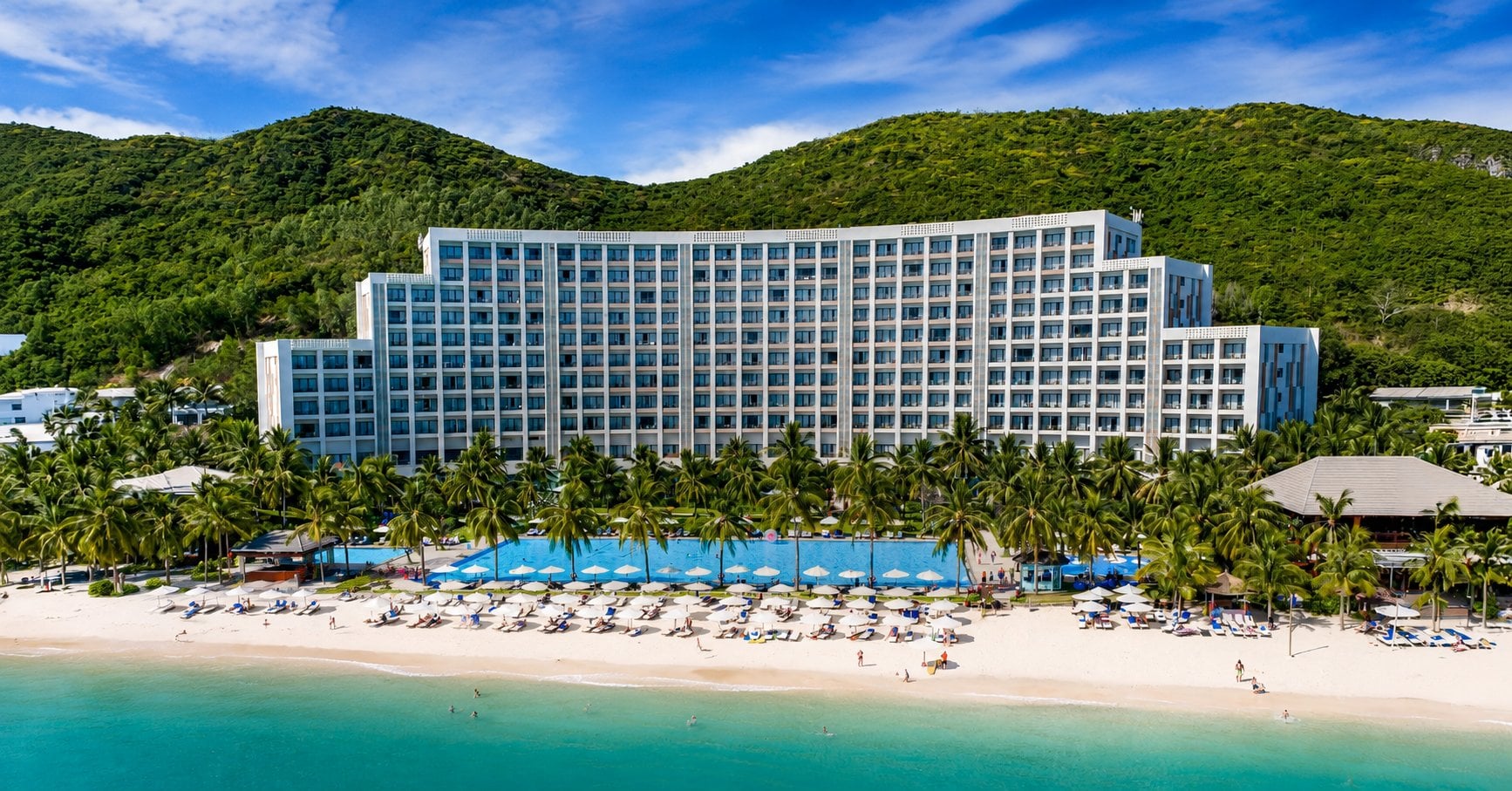
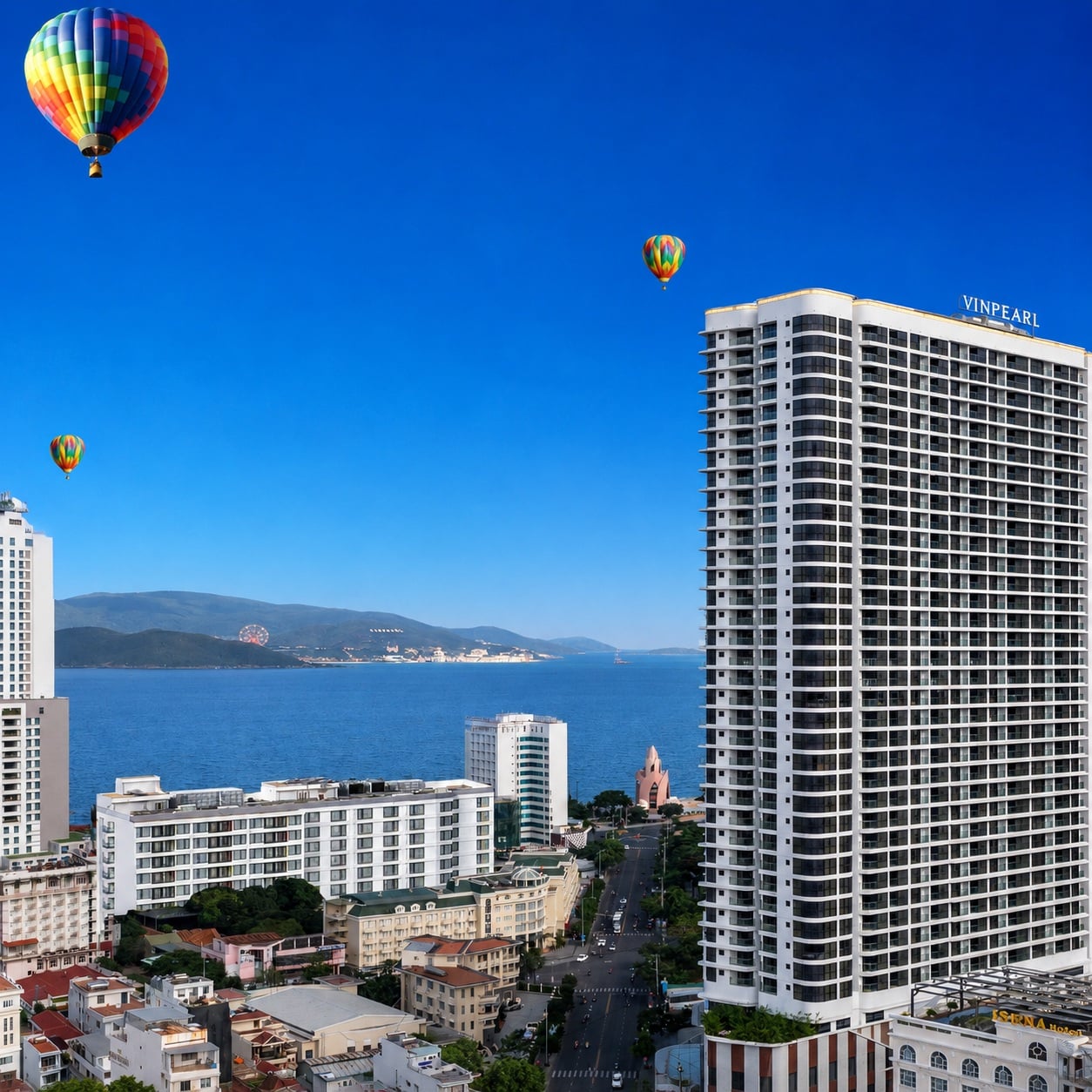
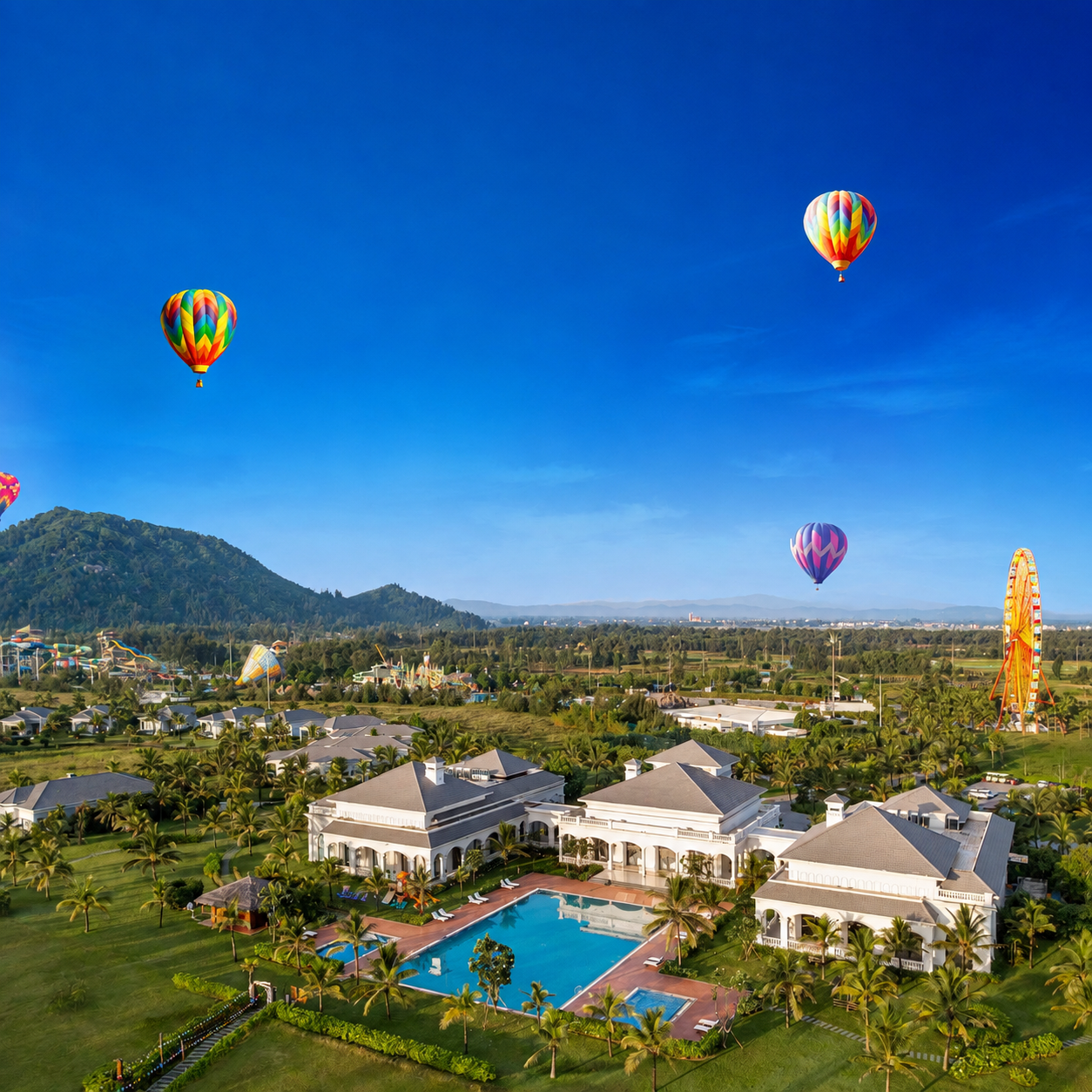
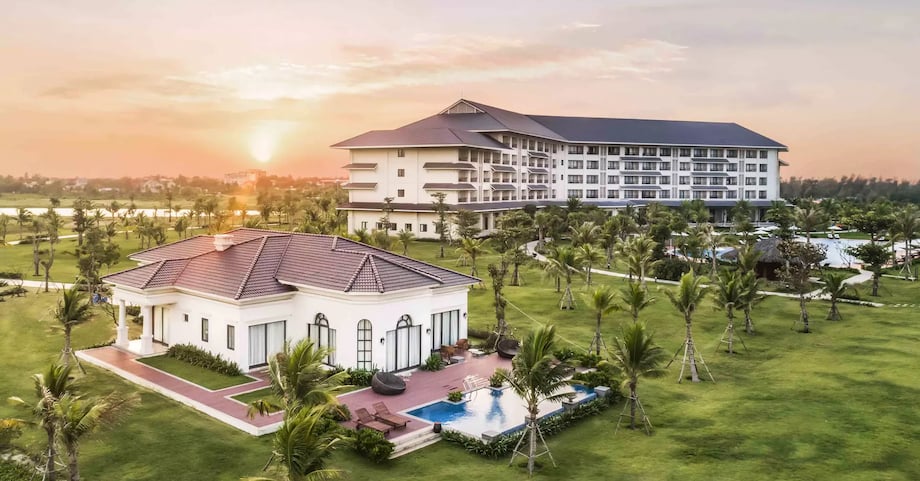
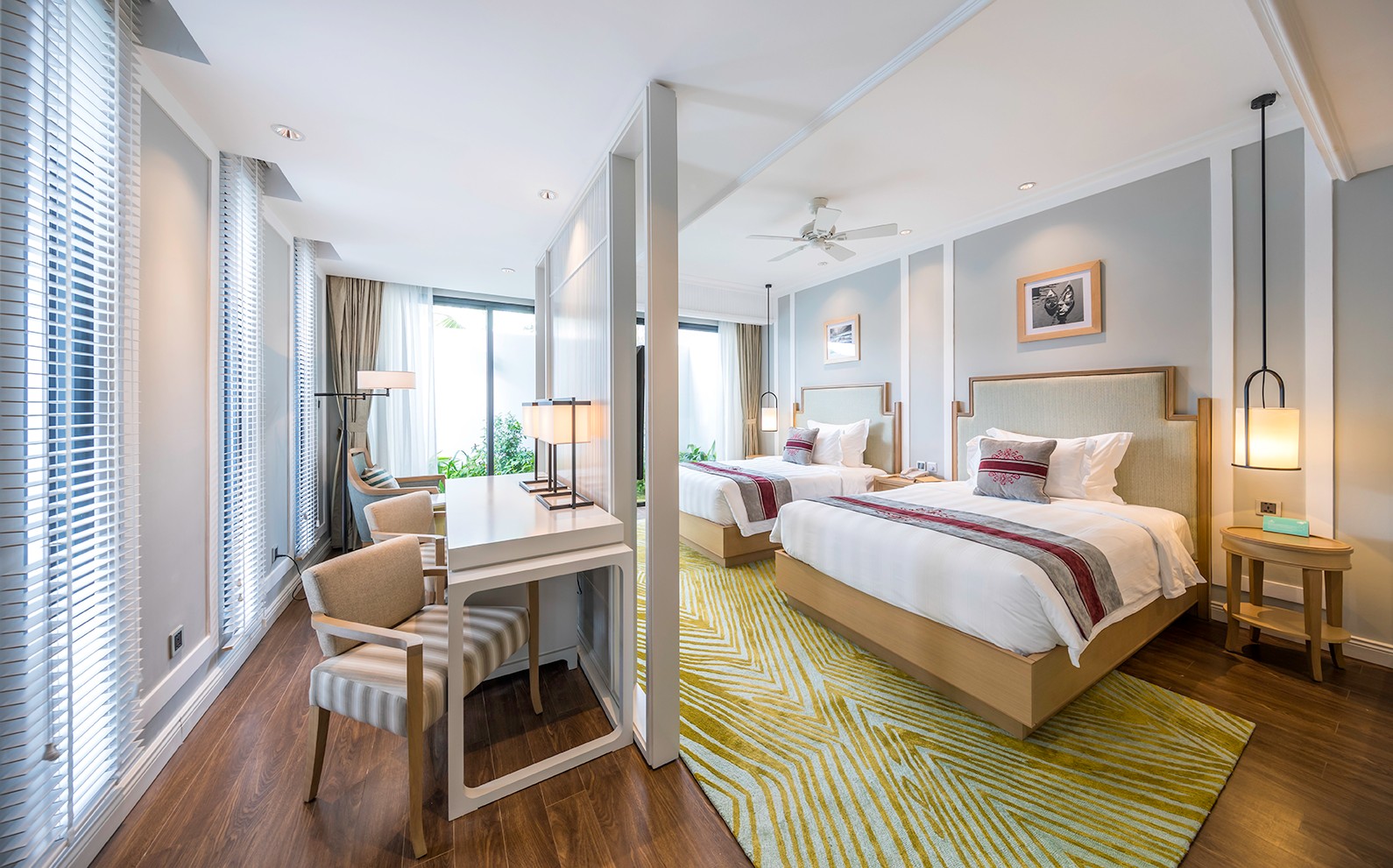
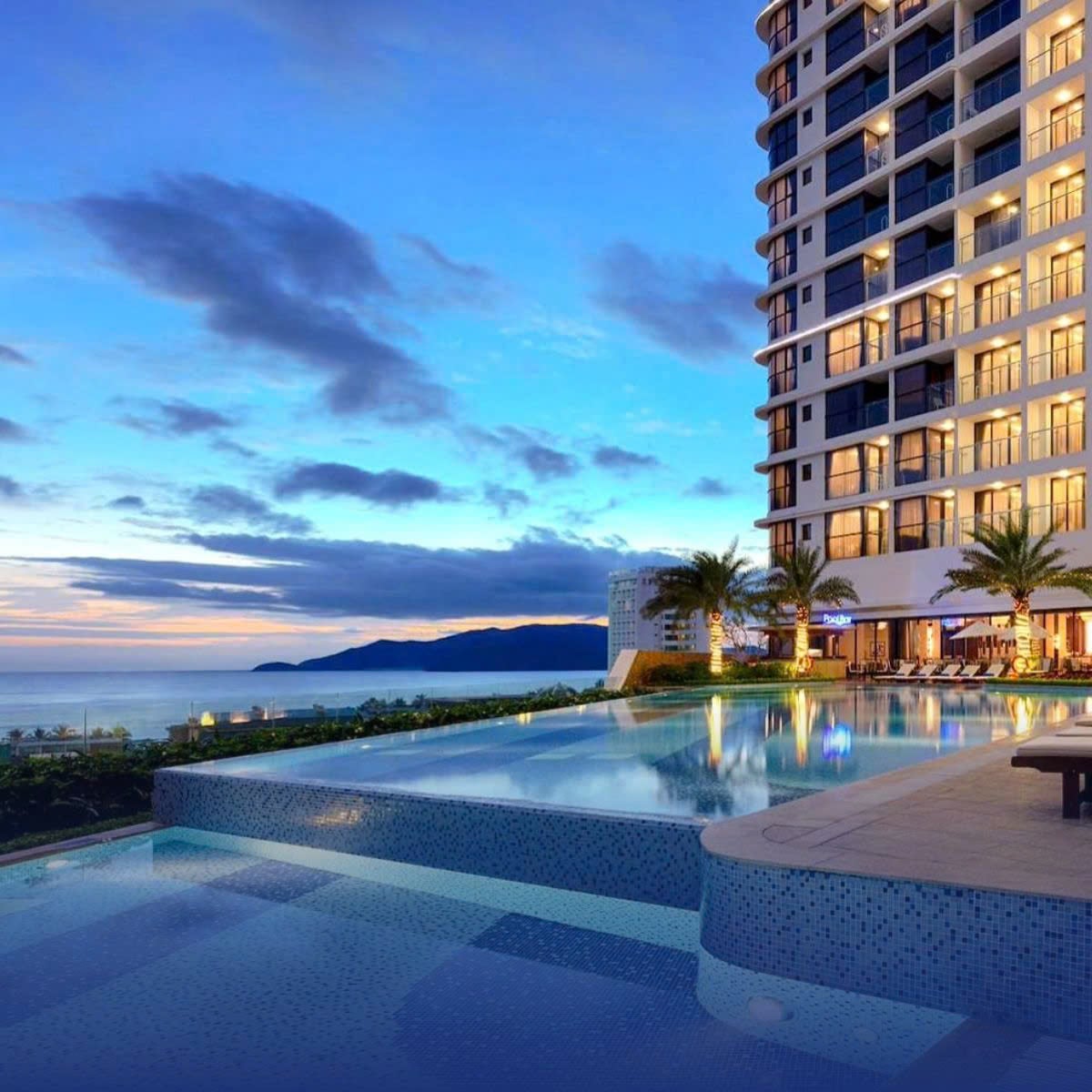
In addition, Vietnam travel invites you to journey through a land of stunning landscapes and lively culture, featuring iconic spots such as Ha Long, Hoi An, Nha Trang, and Phu Quoc. To make your journey truly exceptional, consider staying at Vinpearl hotels and resorts. They offer luxurious stays with world-class dining, soothing spas, and private stretches of beach at the heart of these iconic locations. And for boundless fun, don’t miss out on VinWonders with thrilling rides, cultural shows, and magical experiences for all ages.




.jpg)




.png)
.png)