1. Popular types of power plugs in Vietnam
Globally, there are fifteen standard types of power plugs and corresponding sockets, each varying in shape and structure and designated by alphabetical letters to accommodate different regional electrical systems. According to the TCVN 6190-1999 standard, the most common power plugs in Vietnam include Types A, B, C, and versatile sockets supporting A, B, and C, with Type D also prevalent. The power plug used in Vietnam typically reflects this mix.
- Model A: Two flat parallel pins. Common in North and Central America (e.g., USA, Canada). No grounding. This electric power plug in Vietnam suits American gear, though verify “do US plugs work in Vietnam?”—the shape is yes, but the power might require adjustment. Max current: 15A.
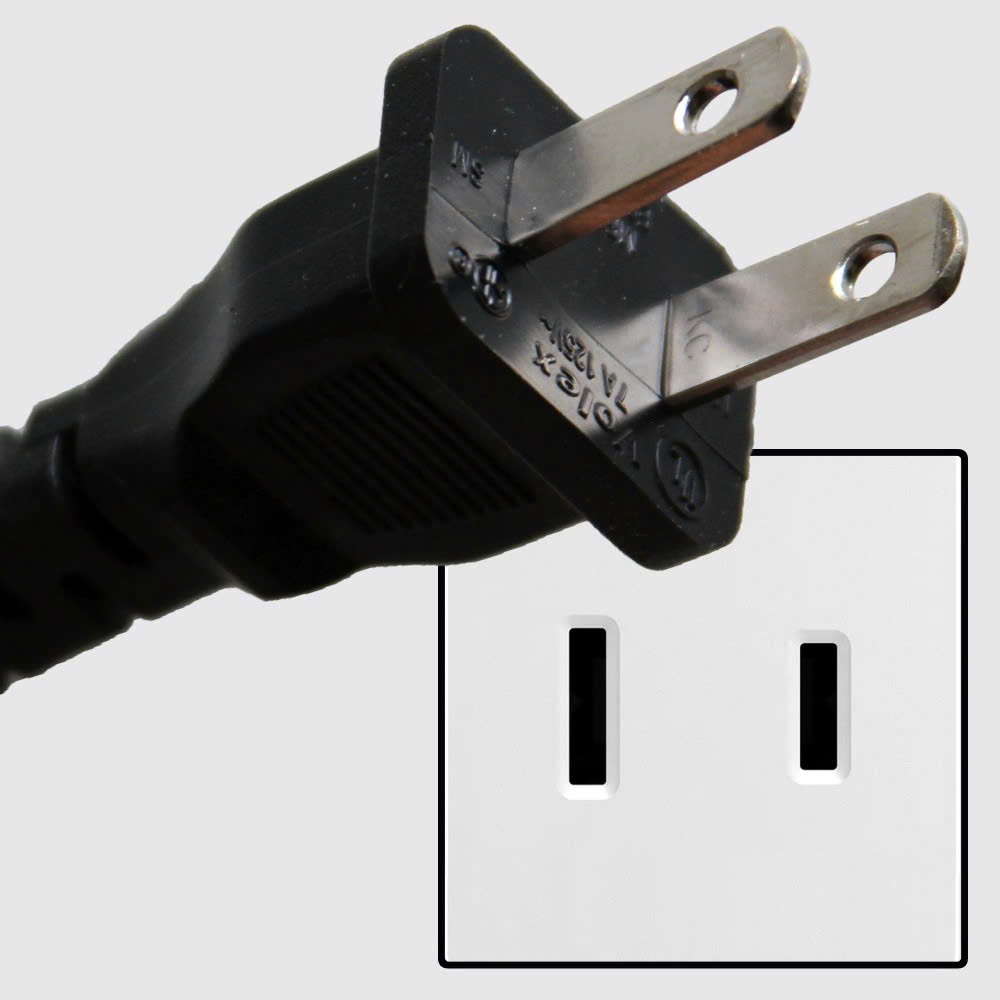
- Model B: Two flat parallel pins with a round grounding pin; popular in North America/Central America/Japan. Max current: 15A.

- Model C: Known as the “Europlug,” it has two round pins and no grounding. Widely used in Europe, South America, and Asia, it’s a key power plug socket in Vietnam. Do European plugs work in Vietnam? Yes, Type C is fully compatible. Max current: 2.5A.

- Model D: Three round pins in a triangular pattern; common in India/Nepal. Max current: 5A.

So, what kind of power plug is used in Vietnam? You’ll mostly see types A, B, C, and D. If you're asking, “what power plug do they use in Vietnam?”, the answer depends on your device and region, but these four types are your best bet.
2. Voltage and frequency standards in Vietnam
The electrical system in Vietnam operates on a standard voltage of 220 volts and a frequency of 50 hertz, similar to most of Asia and Europe. This setup is designed to power household and commercial appliances efficiently, but it requires attention from international travelers whose home countries may use different standards.
What electrical plug is used in Vietnam with this system? The plug types above (A, B, C, D) work with 220V/50Hz. Most modern electronics (e.g., smartphones, laptops) labeled “100–240V, 50–60Hz” are dual-voltage and need only a power plug adapter for Vietnam. For 110–120V devices (e.g., some US hair dryers), a voltage converter is essential to prevent damage. It’s important to check device labels to ensure compatibility and avoid disruptions while exploring Vietnam’s vibrant destinations.
3. Tips for compatibility when traveling to Vietnam
To ensure your devices work seamlessly with Vietnam’s power infrastructure, plan for plug and voltage compatibility:
- Vietnam power plug tips:
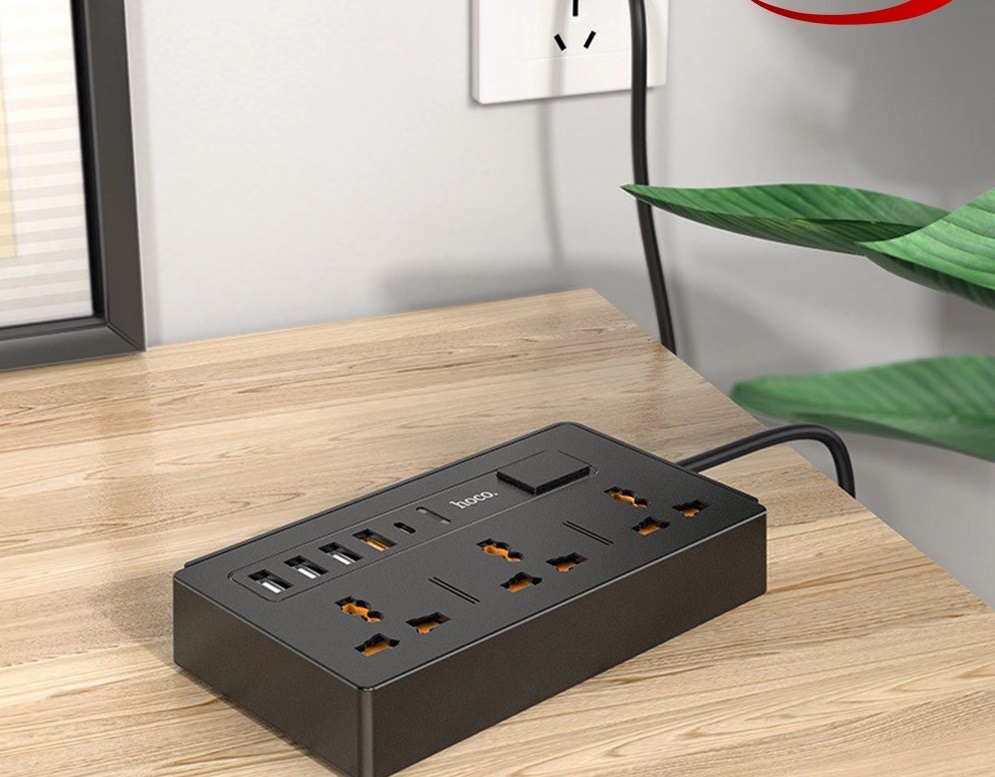
- What power adapter for Vietnam? A universal adapter is ideal. If you forget an adapter, they’re readily available at local markets, convenience stores, or electronics shops across the country at affordable prices.
- If your device’s plug doesn't match, use plug adapters, not just shape converters.
- Voltage compatibility tips:
- Vietnam runs on 220V / 50Hz electricity. Most modern electronics, such as smartphones, laptops, and cameras, are designed for dual-voltage (100-240V) and will work without issues. Still, always check the device’s label to confirm.
- For devices that only support 110-120V (common in the US or Japan), a voltage converter or transformer is essential to prevent damage. A surge-protected power strip is recommended for safety.
- Special notes by region:
- Europe: Type C plugs work directly in Vietnam. Voltage (220-240V) is compatible, so no converter is needed for most devices.
- US/Canada/Japan: Voltage (110-120V) devices need a converter. Check for dual-voltage support.
- Australia/New Zealand: Adapter needed; voltage is compatible.
4. Where to buy a voltage converter and power plug adapter in Vietnam?
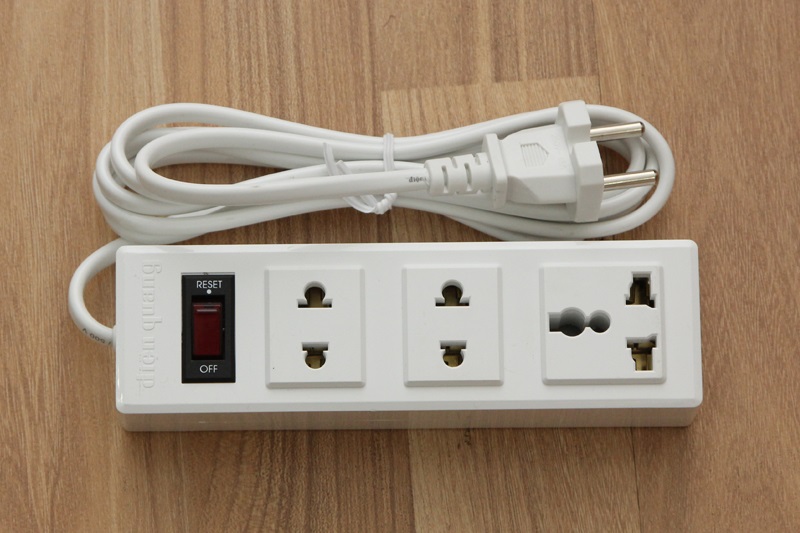
You can buy voltage converters and power plug adapters in Vietnam at airports, electronics stores like Dien May Xanh, Nguyen Kim, supermarkets such as Co.opmart and GO!, and smaller local shops. Airports and tourist shops also carry them, though prices are often higher. Many hotels provide or sell basic adapters. For longer stays, online platforms like Shopee, TikTok Shop, and Lazada offer fast delivery.
Plug in Vietnamese is often referred to as “ổ cắm” (socket) or “phích cắm” (plug). The average cost for a reliable voltage converter is approximately 200,000 VND (around 8 USD), suitable for converting power for sensitive devices, whereas a versatile power plug adapter for Vietnam typically costs about 80,000 VND (3–4 USD), ensuring compatibility across multiple plug types. While plug adapters are widely available, voltage converters are less common—so it’s best to bring one from home if needed.

So, before your adventure begins, take a moment to check “what plug does Vietnam use?” Understanding the power plug in Vietnam and packing a proper adapter will help you focus on what really matters—enjoying the culture, food, and scenery. A well-charged device means one less thing to worry about on your trip.
When planning a trip to Vietnam, besides researching power plugs in Vietnam, be sure to make a list of renowned tourist destinations to visit. From the breathtaking Ha Long Bay to the pristine beaches of Phu Quoc and Nha Trang, from the historical allure of Hoi An to the vibrant cityscape of Da Nang, each destination offers a unique travel experience.
While you are in these destinations, enhance your Vietnam trip by choosing to stay at Vinpearl’s hotels and resorts. As a renowned luxury hospitality brand, Vinpearl offers exceptional accommodations in prime locations across the country. With elegant designs, lavish amenities, and unparalleled services, Vinpearl is ideal for those seeking a truly indulgent experience. Whether you are going on a romantic getaway, family vacation, or business trip, Vinpearl guarantees a satisfying stay.








.png)
.png)