1. Top grilled Sapa street foods
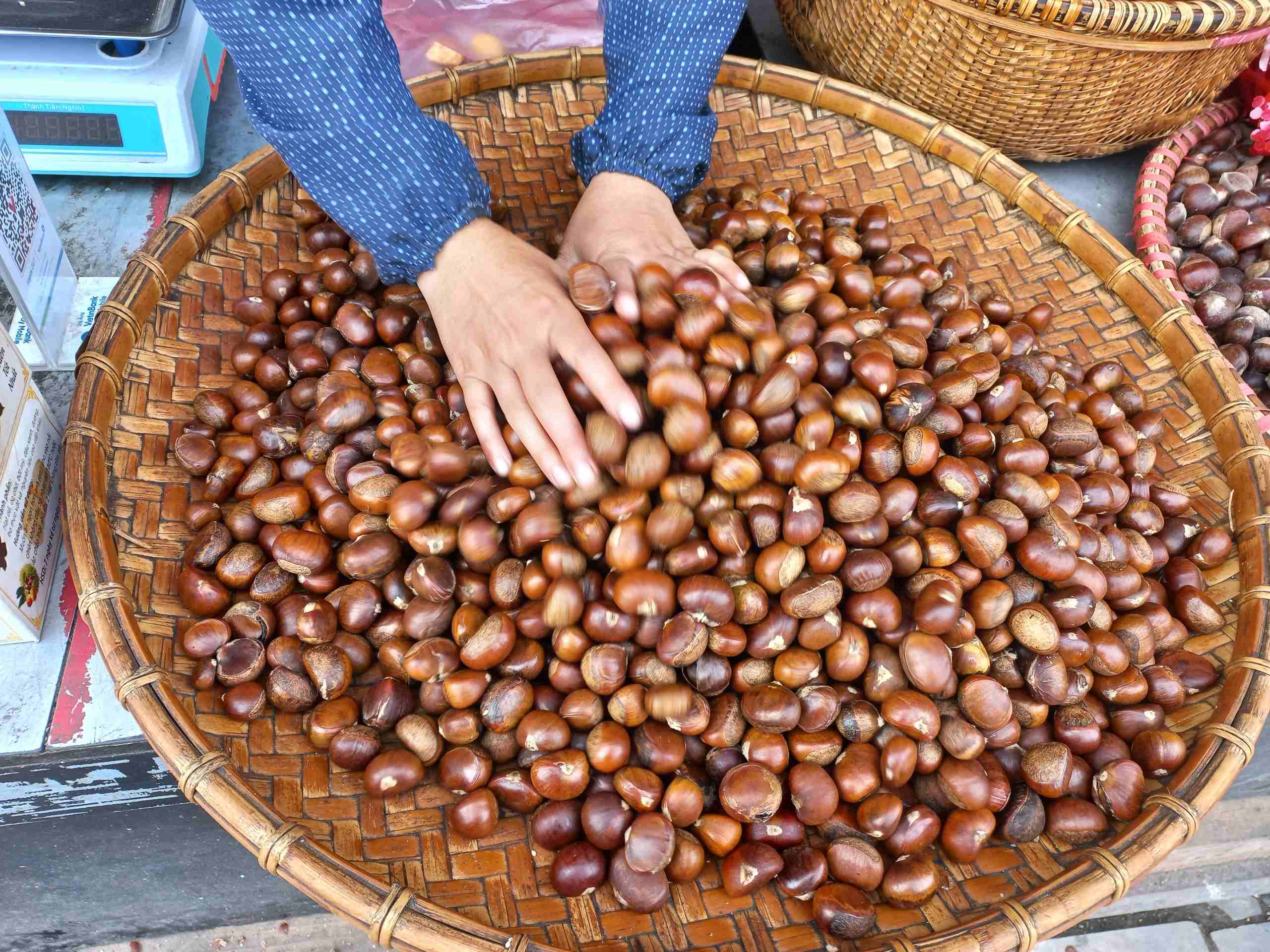
1.1. Roasted chestnut (hat de nuong)
Among the must-try highlights of Sapa street food, roasted chestnuts hold a special place. As you stroll through foggy alleys, you will catch their sweet, smoky scent before you even see the stall. Locals roast fresh chestnuts over glowing charcoal until the shells crack, revealing warm, nutty flesh inside. The taste is soft and earthy, with a hint of caramel that feels just right in the mountain chill. It is a simple snack, but nothing beats munching on a warm paper cone of roasted chestnuts while soaking in the Sapa vibe.
1.2. Grilled pork skewers (thit xien nuong)
A favorite among both locals and tourists, grilled pork skewers are a cornerstone of Sapa street food. Thin slices of marinated pork are skewered on bamboo sticks and grilled over an open flame. The marinade, often made with lemongrass, garlic, shallots, and local spices, infuses the meat with rich flavor. Each bite is juicy, smoky, and slightly sweet, making it the perfect grab-and-go option.
1.3. Grilled corn and sweet potato (bap, khoai nuong)
Humble but comforting, grilled corn and sweet potato are some of the most accessible Sapa street foods. Vendors char them directly over coals until the skins blacken, and the inside turns soft and fragrant. The corn has a chewy bite, while the sweet potato offers a caramel-like sweetness. These are best enjoyed while wandering the night market with the cool air wrapping around you.
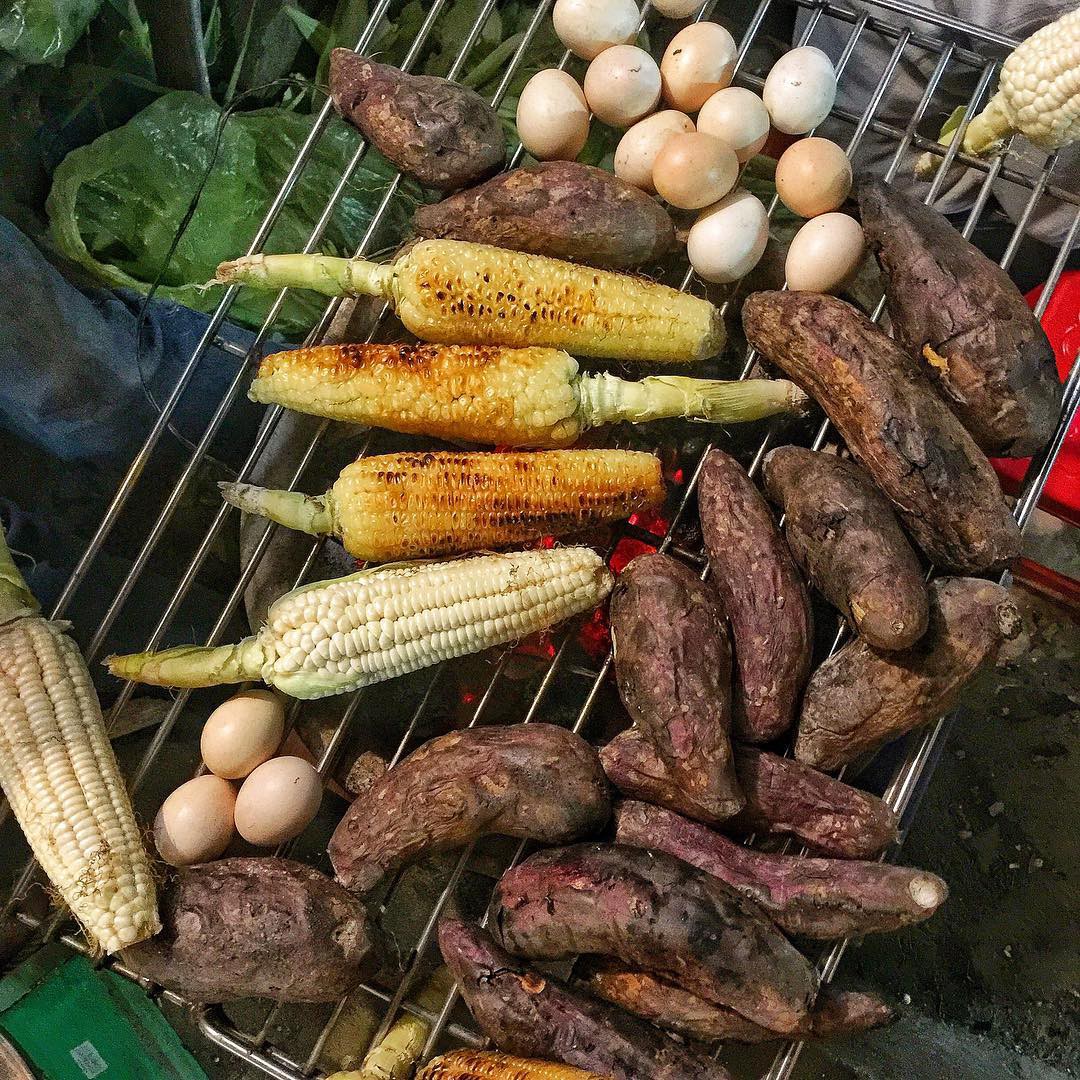
1.4. Grilled eggs (trung nuong)
Grilled eggs are a street snack unique to mountainous regions like Sapa. Eggs are cracked and poured into metal molds or kept whole in their shells, then grilled over charcoal. The result is a slightly smoky, creamy egg with a golden center. Some versions are seasoned with green onions or chili, adding extra layers of flavor.
2. Cakes & pastries as Sapa street foods
2.1. Pau Plau cake (banh day)
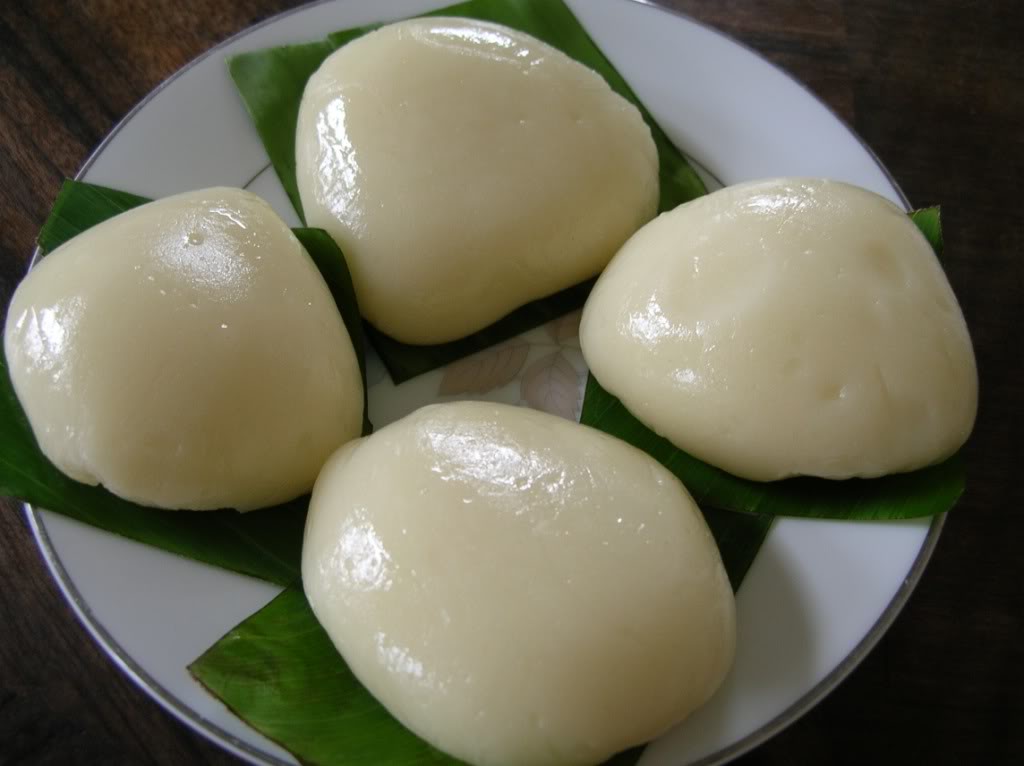
Made by the Dao ethnic group, Pau Plau is a sticky rice cake that is pure simplicity at its finest. The rice is soaked, ground, and steamed until smooth, forming a chewy white disc. While some versions include sweet fillings like mung bean paste, others are served plain, sometimes sprinkled with shredded coconut or sesame. It is a quiet but memorable member of the Sapa street food lineup—gentle in taste but heavy with cultural meaning.
2.2. Pau Co cake (banh dao)
This traditional H’mong cake is shaped like a flower and filled with crushed peanuts, sesame, and sugar. It is a perfect example of Northern Vietnamese food—modest in ingredients but rich in tradition. The outer rice flour shell is soft with a slight chew, while the filling offers a nutty sweetness that pairs beautifully with a cup of green tea. Often shared during festivals, Pau Co reflects the heritage and flavor of highland life. The outer layer is made from rice flour, giving it a soft, slightly chewy texture..
2.3. Chestnut cake (banh hat de)
Sapa chestnut cake highlights one of Sapa’s most famous ingredients—chestnuts. Locally grown and freshly harvested in the cold season, chestnuts are mashed and blended with rice flour to create a moist, chewy cake. The flavor is subtly sweet, earthy, and nutty, perfect with a hot drink. As a newer addition to Sapa street food, it has gained fame for its satisfying texture and rich aroma, winning over both locals and tourists.
2.4. Corn cake (banh ngo)
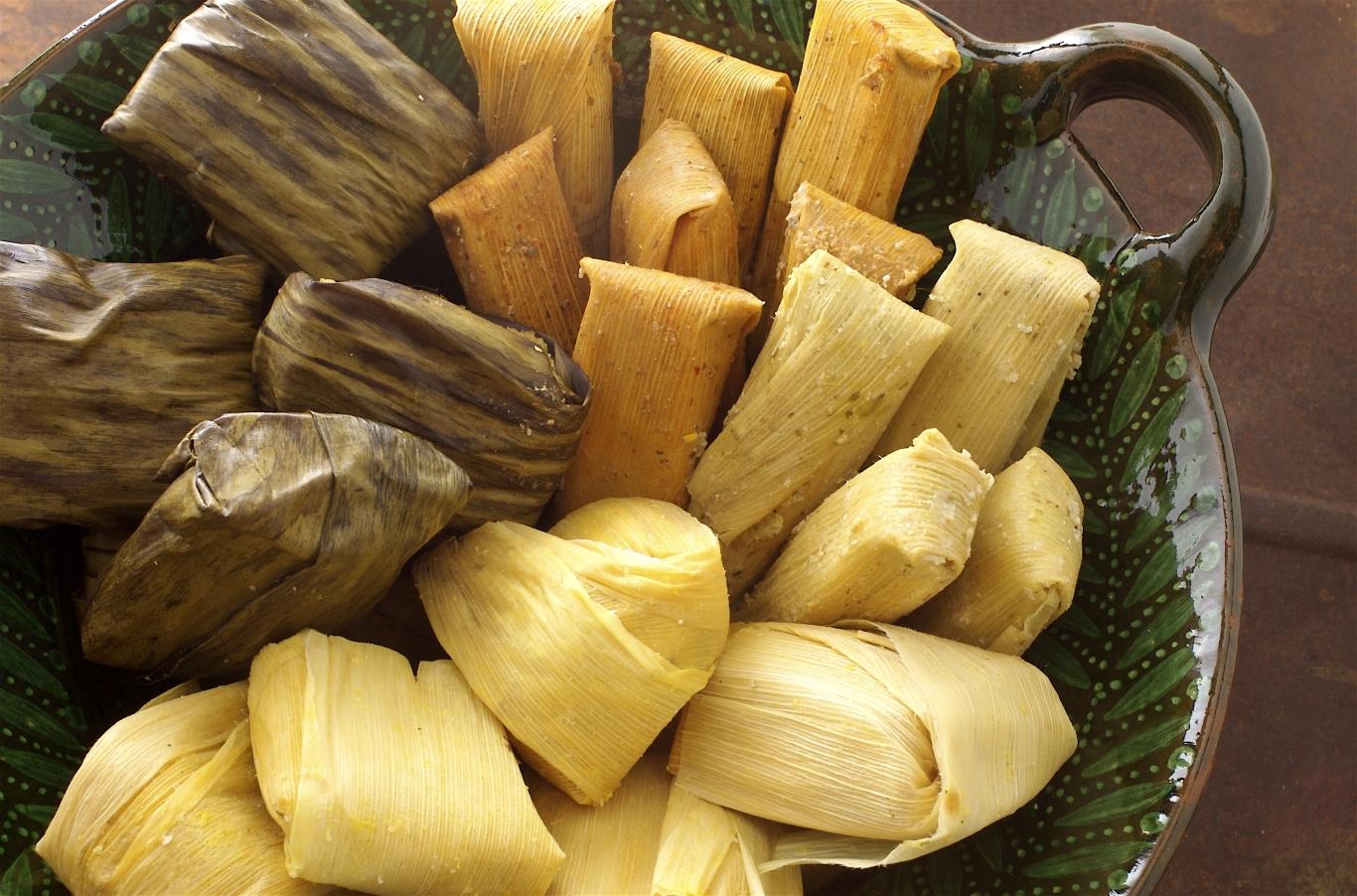
Corn cake is a rustic snack often made by ethnic minority women in their home kitchens and sold fresh at local stalls. Grated corn kernels are mixed with glutinous rice flour and sugar, then either steamed or pan-fried. The outside gets a crisp edge while the inside stays soft and sweet. It is a comfort food that speaks to Sapa’s agricultural roots and remains a dependable bite in the busy lanes of Sapa street food.
2.5. Deep-fried pillow cake (banh goi chien)
Shaped like a crescent or small pillow, this crispy pastry is loaded with flavor. Inside, a mix of minced pork, mushrooms, glass noodles, and carrots creates a savory contrast to the golden, flaky crust. Fried until perfectly crisp, it is typically served with a tangy dipping sauce. This snack is one of the heartiest street food in Sapa, making it a go-to choice when you are craving something hot and filling.
2.6. Black Chung cake (banh chung den)
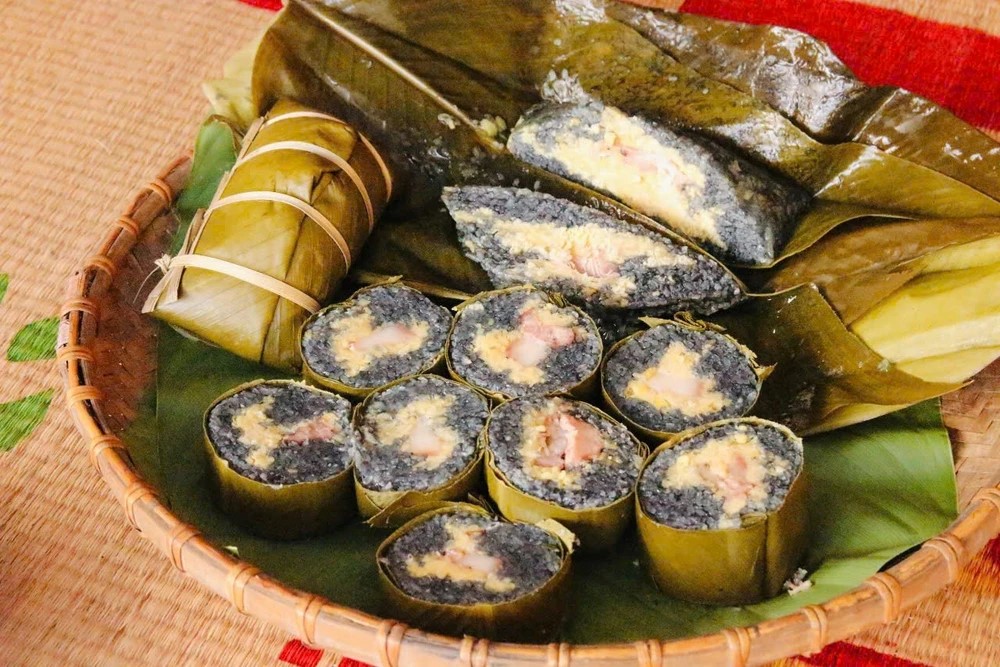
This sticky rice cake stands out for its striking dark color, created by mixing black rice with ash water. Traditionally filled with mung bean and pork, it is wrapped in leaves and steamed for hours. The result is dense, subtly sweet, and deeply aromatic. While it is rooted in ritual and often made for the Tet holiday, you will find slices of it available at markets year-round, showcasing the ceremonial side of Sapa street food.
2.7. Steamed rice cake (banh troi tau)
A true comfort food during Sapa’s chillier months, these chewy glutinous rice balls are filled with a warm core of palm sugar and ginger. Served in a bowl of lightly sweetened soup, the heat brings out the flavors while the texture soothes. Part dessert, part warming treat, this dish is a beloved member of Sapa street food and a must-try if you visit during the colder seasons.
>>> Read more: Vietnamese cakes: A list of 20 MUST-TRY dishes for everyone
3. Sticky rice & rice-based street foods in Sapa
3.1. Men men
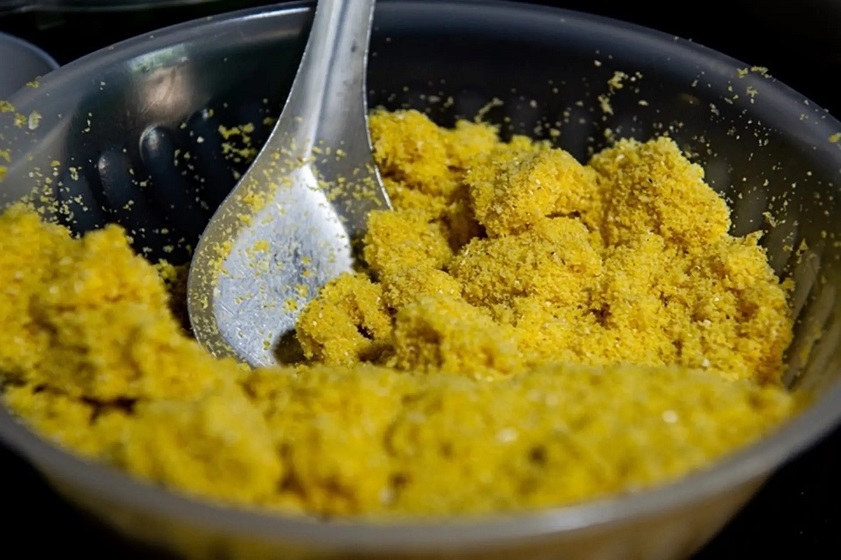
A H’mong specialty, mem men is one of the most unique and traditional Sapa foods. Made from steamed corn that is finely ground and sometimes blended with a bit of rice, the dish has a rustic texture and a mildly sweet taste. It is often enjoyed with grilled pork, sesame salt, or even a dash of chili to bring out the flavors. Men men is typically found in ethnic villages and market stalls, served in small bowls with a side of herbal broth.
3.2. Bamboo tube-cooked rice (com lam)
Com lam is a time-honored dish that showcases how locals combine natural resources with traditional cooking methods. Glutinous rice is stuffed into bamboo tubes, sometimes with coconut water or shredded coconut, then roasted slowly over open flames. The bamboo imparts a subtle woody aroma, and the rice turns soft, sticky, and flavorful. Vendors slice the tubes open and serve them in chunks, often alongside grilled skewers or smoked meats. It is one of those rare Sapa street food items that feels both ancient and inventive.
3.3. Five-colored sticky rice (xoi ngu sac)
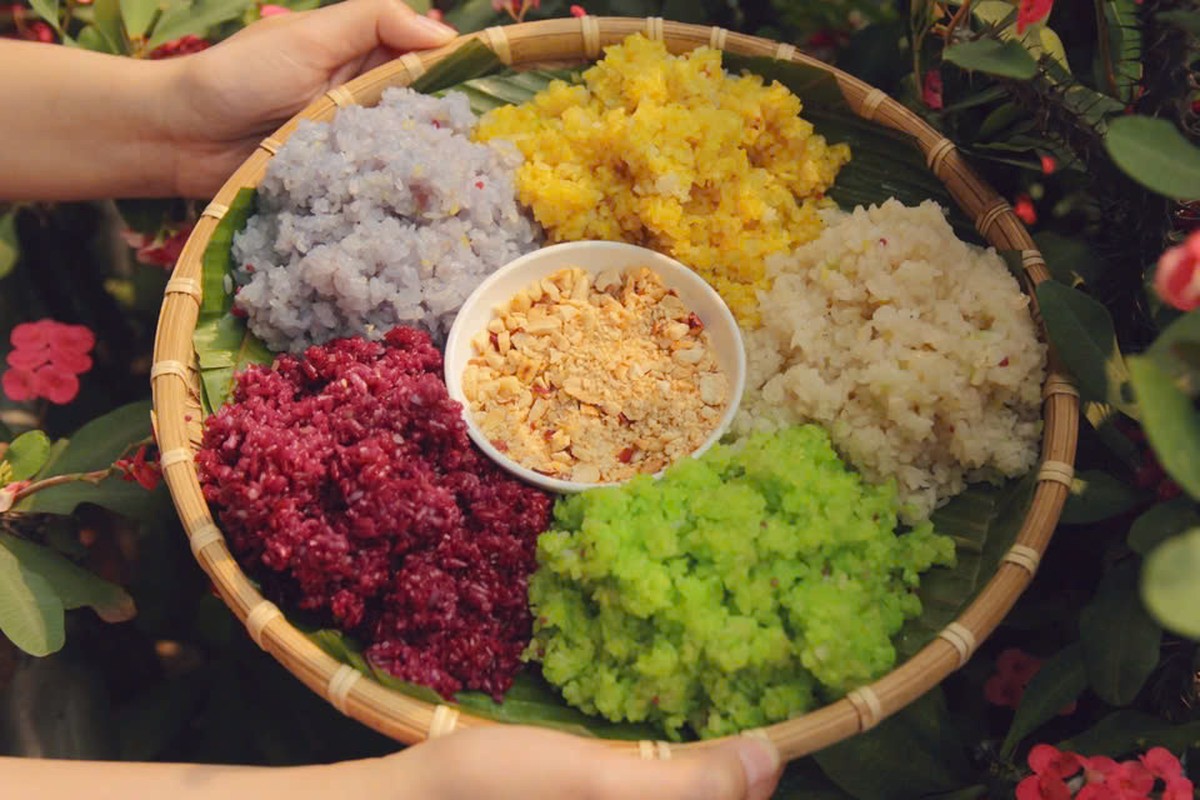
This stunning dish is a visual and cultural icon among Sapa Vietnam food offerings. Made with glutinous rice dyed naturally using leaves, flowers, and forest roots, it is often served at celebrations and festivals. Each color symbolizes something meaningful: red for luck, green for plants and growth, yellow for wealth, purple for fertility, and white for unity. Vendors in Sapa often sell it in bamboo baskets or paper trays, making it a portable and photogenic treat.
>>> Read more: Night markets in Sapa: Immerse yourself in the local culture
4. Other street foods in Sapa to try once
4.1. Hot corn milk (sua bap nong)
A staple of cold-weather evenings, hot corn milk is sold by street vendors in paper cups or small thermos jugs. Made from boiled, pureed corn blended with condensed milk or coconut milk, it is both nourishing and naturally sweet. Some locals season it with a pinch of salt to balance the flavors. It is not just a drink; it is a warming ritual during foggy nights.
4.2. Fruit jam (mut trai cay)
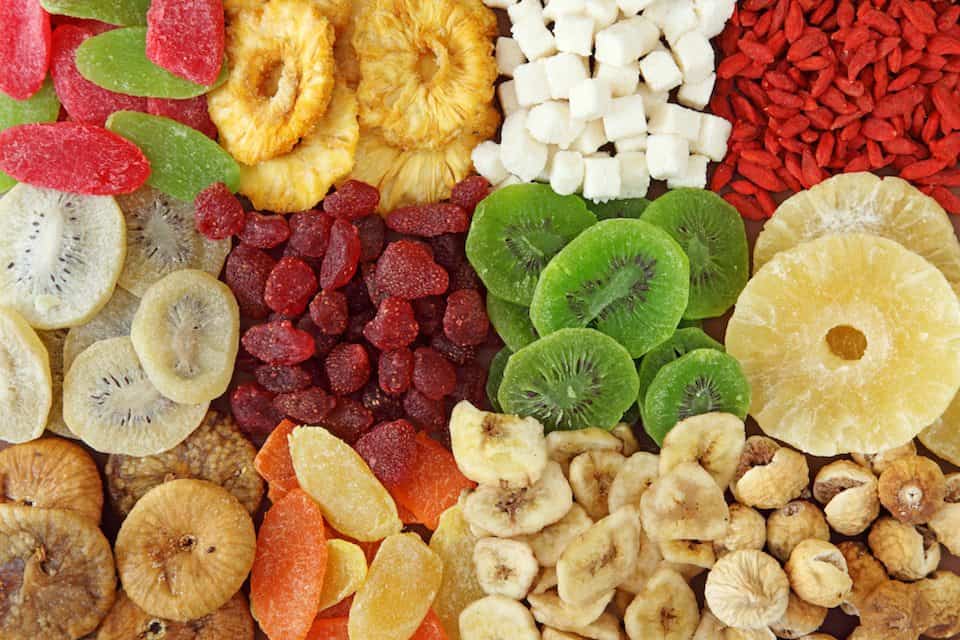
Made from highland-grown fruits such as plums, pears, and persimmons, these colorful jams are sold in neat jars or plastic packets throughout Sapa’s markets. They range from syrupy to chewy and often have an intense sweet-sour kick. Ideal for taking home as a gift or nibbling on while hiking, fruit jam is a sweet snapshot of local agriculture. Though not always eaten on the go, it is a cherished flavor in the broader Sapa street food scene.
4.3. Fried rolls with bitter bamboo shoots (nem mang dang)
This unique snack is made from wild bitter bamboo shoots, finely chopped and mixed with ground pork, herbs, and spices. The filling is rolled in rice paper and deep-fried until golden and crispy. The bitterness of the bamboo is balanced by the savory meat, making for a complex flavor profile that is loved by locals and adventurous eaters.
>>> Explore: What to do in Sapa: 16 rewarding activities for your journey
From smoky skewers and grilled chestnuts to colorful sticky rice and sweet jams, Sapa street food offers a delicious lens into local life. Each dish reflects a piece of Sapa’s culture, history, and the ingenuity of its people, turning everyday ingredients into comforting, flavorful street eats.
If this mountain town has awakened your travel appetite, Vietnam travel has even more to offer. Continue your journey with stunning natural wonders like Ha Long Bay, or dive into coastal charm in Da Nang and Hoi An. For beachside relaxation, explore the sands of Nha Trang or the island paradise of Phu Quoc.
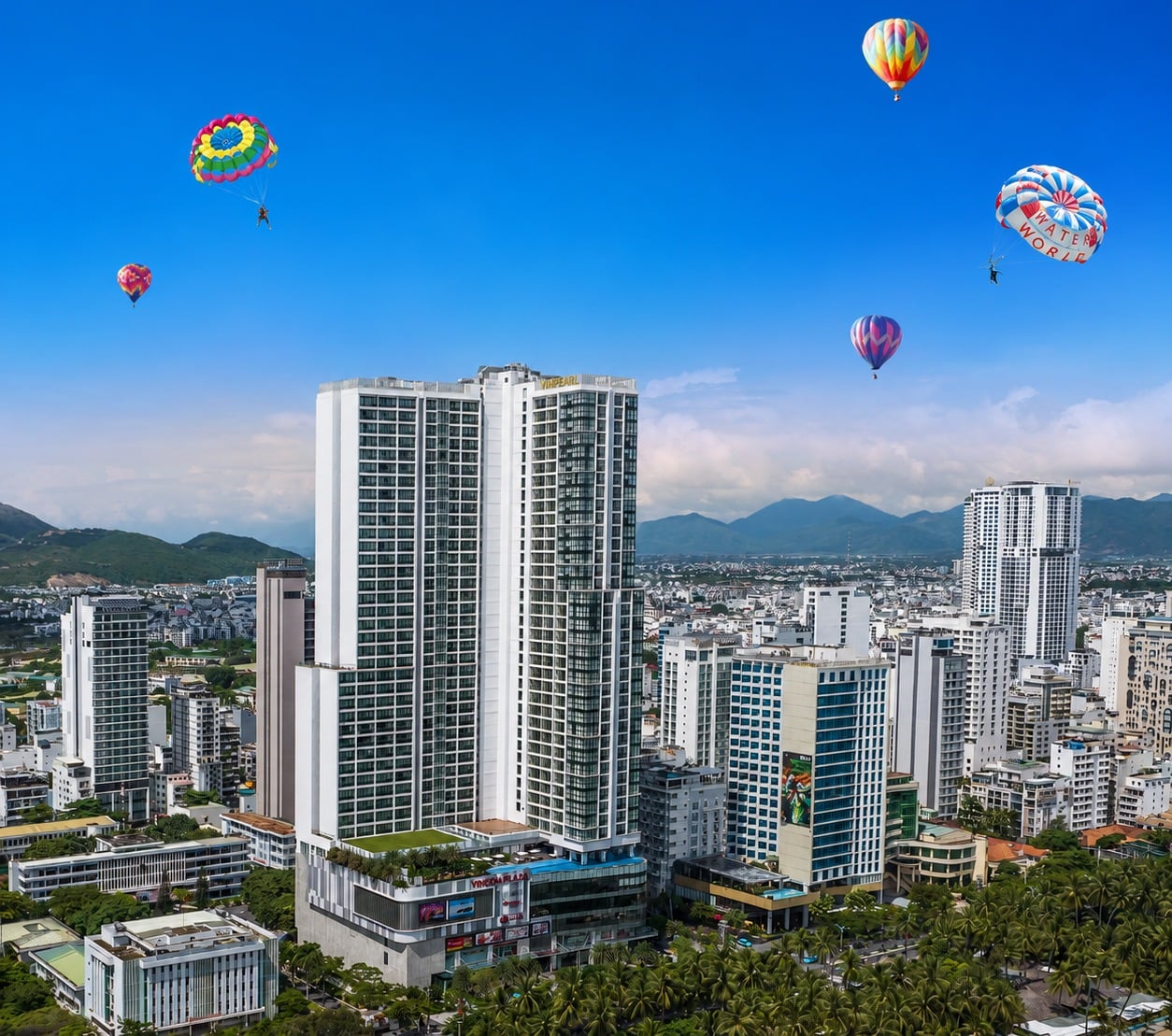
To make your adventure even more enjoyable, consider staying at resorts and hotels by Vinpearl—Vietnam’s top-rated hospitality brand. From modern beachfront resorts to family-friendly getaways, Vinpearl offers full-service accommodations, spas, world-class dining, and exceptional hospitality.
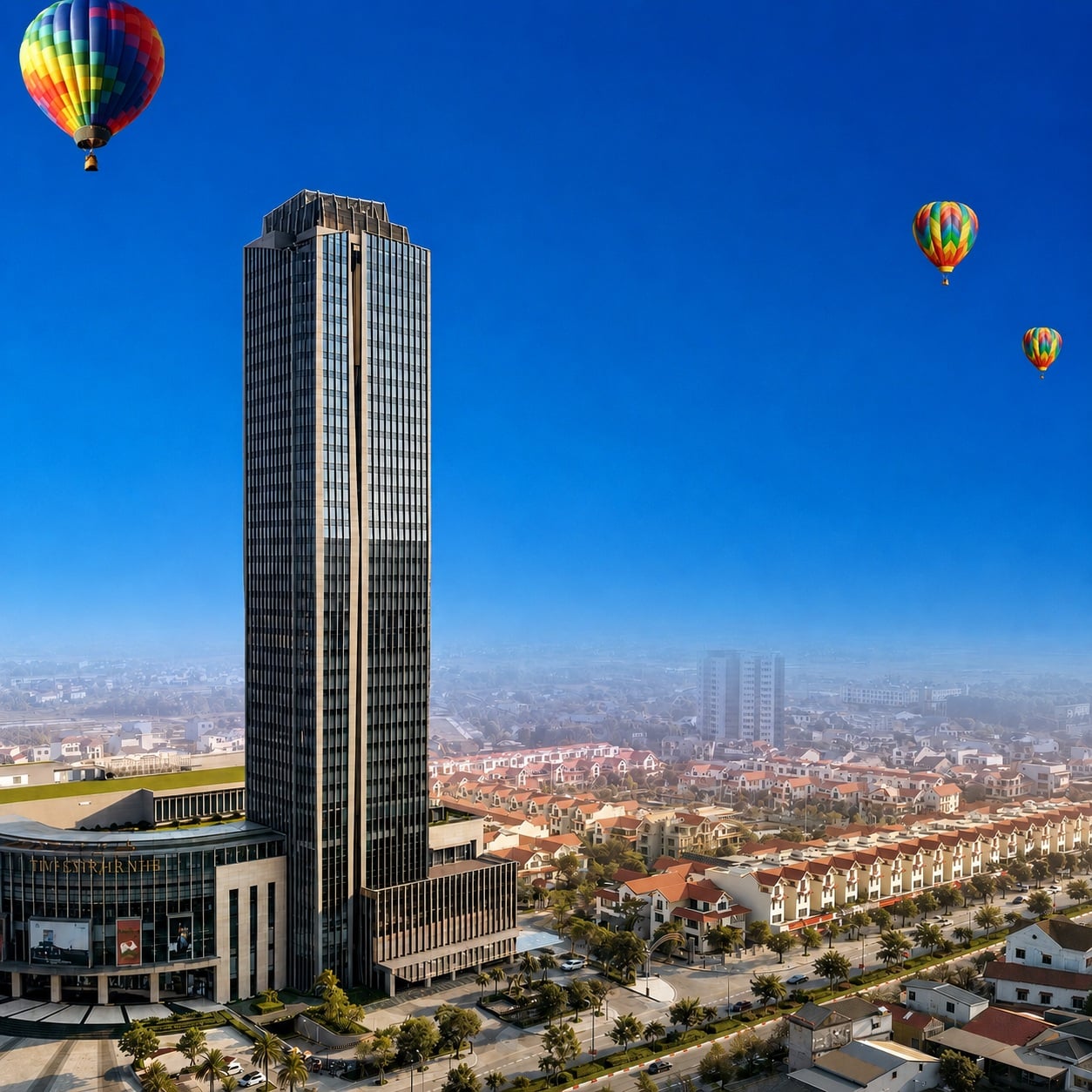
For an extra dose of excitement, don't miss VinWonders, a series of entertainment parks packed with rides, shows, and cultural attractions—perfect for travelers of all ages.









.png)
.png)