Looking to travel to Vietnam from the US? If you are planning a trip to Vietnam, there are many things to consider, such as visa requirements, budget, and itinerary planning. Vietnam is a beautiful and diverse country that offers beautiful landscapes, delicious food, and a rich culture. In this article, we will explore the reasons why Vietnam travel is a great choice and how to plan your trip effectively.
1. Entry requirements for travel to Vietnam from the US
If you're planning to travel to Vietnam from the US, understanding the visa requirements and application process is one of the first steps in planning your trip.
1.1. Do US citizens need a visa to travel to Vietnam?
Yes, US citizens need a visa to travel to Vietnam. Before departure, travelers must apply for a valid Vietnam visa, with the e-visa being the most convenient option for most visitors. The only exception is for stays of 30 days or less on Phu Quoc Island, provided travelers meet the applicable entry conditions. In addition, all travelers holding a non-Vietnamese passport and arriving in Vietnam by air are required to complete an online pre-arrival declaration form no earlier than three days before their arrival.
1.2. How to apply for a Vietnam e-visa for US citizens?
The e-visa is issued online by the Vietnamese Immigration Department and is valid for up to 90 days. Before applying for a Vietnam visa for US citizens, make sure your passport meets the following requirements:
- Be valid at the time of entry.
- Have at least six months of validity beyond your arrival date in Vietnam.
- Have at least one blank page available per stamp.
- Be issued as a standard passport, as the 12-page U.S. emergency passport may not be accepted for e-visa applications or entry into Vietnam.
Applying for a Vietnam e-visa is quick and convenient. Follow these simple steps:
Step 1: Prepare the required documents, including a passport valid for at least six months and a passport-style photo.
Step 2: Complete the online application on the official Vietnam e-Visa portal by providing your personal details, travel information, and supporting documents.
Step 3: Pay the e-visa fee online, 25 USD for a single-entry e-visa or 50 USD for a multiple-entry e-visa, and save your registration code to track your application.
Step 4: Wait for processing, which typically takes around three working days.
Step 5: Download and print your e-visa once approved, and present it together with your passport upon arrival in Vietnam.

>>> Read more: E-Visa for Vietnam: Everything You Need to Know About Application
2. How to fly to Vietnam from the USA?
Planning your flight is one of the most important steps when traveling to Vietnam from the US. Here's what you need to know before booking.
2.1. Is there a direct flight from the US to Vietnam?
Yes, but direct flights to Vietnam from the US are currently limited. At present, the only non-stop route between the US and Vietnam is operated by Vietnam Airlines, connecting San Francisco International Airport (SFO) with Tan Son Nhat International Airport (SGN) in Ho Chi Minh City. The flight covers approximately 13,000 km (8,000 miles) and takes around 15 hours, with four flights per week (Wednesday, Thursday, Saturday, and Sunday).
There are no direct flights from the US to Hanoi or Da Nang, so travelers heading to these destinations typically need to book a connecting flight via Ho Chi Minh City or another international transit hub.
2.2. Popular transit hubs for connecting flights
Since direct flights between the US and Vietnam are limited, most travelers will need to make one stop at a major Asian hub before continuing to Vietnam. The best transit airport depends on your departure city, airline, budget, and preferred travel time.
Transit hub | Common airlines | Highlights |
Taipei (TPE) | EVA Air, China Airlines, STARLUX Airlines | Frequent flights and shorter transit times |
Seoul (ICN) | Korean Air, Asiana Airlines | Award-winning airport and efficient transfers |
Tokyo (NRT/HND) | ANA (All Nippon Airways), Japan Airlines (JAL), United Airlines | Excellent service and convenient connections |
Hong Kong (HKG) | Cathay Pacific, United Airlines | Extensive flight network to Vietnam |
Singapore (SIN) | Singapore Airlines | Premium service and comfortable transit |
2.3. Average flight time from major US cities
Traveling from the US to Vietnam typically takes 16 to 22 hours depending on your departure city and layovers. The only direct flight available between the US and Vietnam is operated by Vietnam Airlines from San Francisco (SFO) to Ho Chi Minh City (SGN), with a flight time of approximately 15 hours and 40 minutes.
Departure city | Typical travel time | |
To Ho Chi Minh City | To Hanoi City | |
San Francisco | ~15 – 16 hours (direct flight) | ~16 – 20 hours |
Los Angeles | ~17 – 20 hours | ~17 – 20 hours |
Seattle | ~16 – 18 hours | ~15 – 20 hours |
New York | ~18 – 21 hours | ~17 – 20 hours |
Washington | ~19 – 22 hours | ~18 – 20 hours |
Boston | ~18 – 21 hours | ~17 – 20 hours |
Chicago | ~18 – 21 hours | ~18 – 21 hours |
Dallas | ~19 – 20 hours | ~19 – 20 hours |
Houston | ~20 – 21 hours | ~19 – 20 hours |
San Jose | ~22 – 23 hours | ~21 – 22 hours |
3. Everything US citizens need to know when traveling to Vietnam
When planning a trip abroad, it's important to do your research and prepare for your destination. If you are a US citizen traveling to Vietnam, there are a few key things you need to know before you go.
3.1. Time difference between the US and Vietnam
Vietnam follows Indochina Time (ICT, UTC+7) and does not observe Daylight Saving Time (DST). Because the United States spans multiple time zones and most states observe DST, the difference from Vietnam time varies depending on where you are departing from.
US time zone | Time difference |
Eastern Time (EST/EDT) | Vietnam is 12 – 13 hours ahead |
Central Time (CST/CDT) | Vietnam is 13 – 14 hours ahead |
Mountain Time (MST/MDT) | Vietnam is 14 – 15 hours ahead |
Pacific Time (PST/PDT) | Vietnam is 15 – 16 hours ahead |
Hawaii (HST) | Vietnam is 18 hours ahead |
Due to the time difference, a long-haul flight from the US to Vietnam can disrupt your body clock, but a few simple strategies can help you adjust more quickly:
- Gradually shift your sleep schedule a few days before departure.
- Stay hydrated and avoid excessive alcohol or caffeine during your flight.
- Sleep according to Vietnam's local time whenever possible during the journey.
- Spend time outdoors after arrival, as natural daylight helps your body adjust to the new time zone.
- Take it easy on your first day and avoid planning a packed itinerary immediately after landing.
>>> Discover: Vietnam transport: Various means for different experiences in 2026
3.2. Weather & best time to visit Vietnam
The best time to visit Vietnam depends on your destination and travel interests:
- For pleasant weather: November to April, when most regions enjoy dry conditions and comfortable temperatures.
- For beach vacations: July to August, especially along the central coast, including Da Nang and Nha Trang.
- For outdoor adventures: February to June, ideal for trekking in Sa Pa, exploring caves in Phong Nha, and kayaking in Ha Long Bay.
- For honeymoon trips: February to June, with sunny weather perfect for destinations such as Hoi An, Ha Long Bay, and Phu Quoc.
- For budget travel: March to May and September to November, when flights and accommodations are often more affordable and attractions are less crowded.

3.3. Vietnamese currency, payments & travel costs
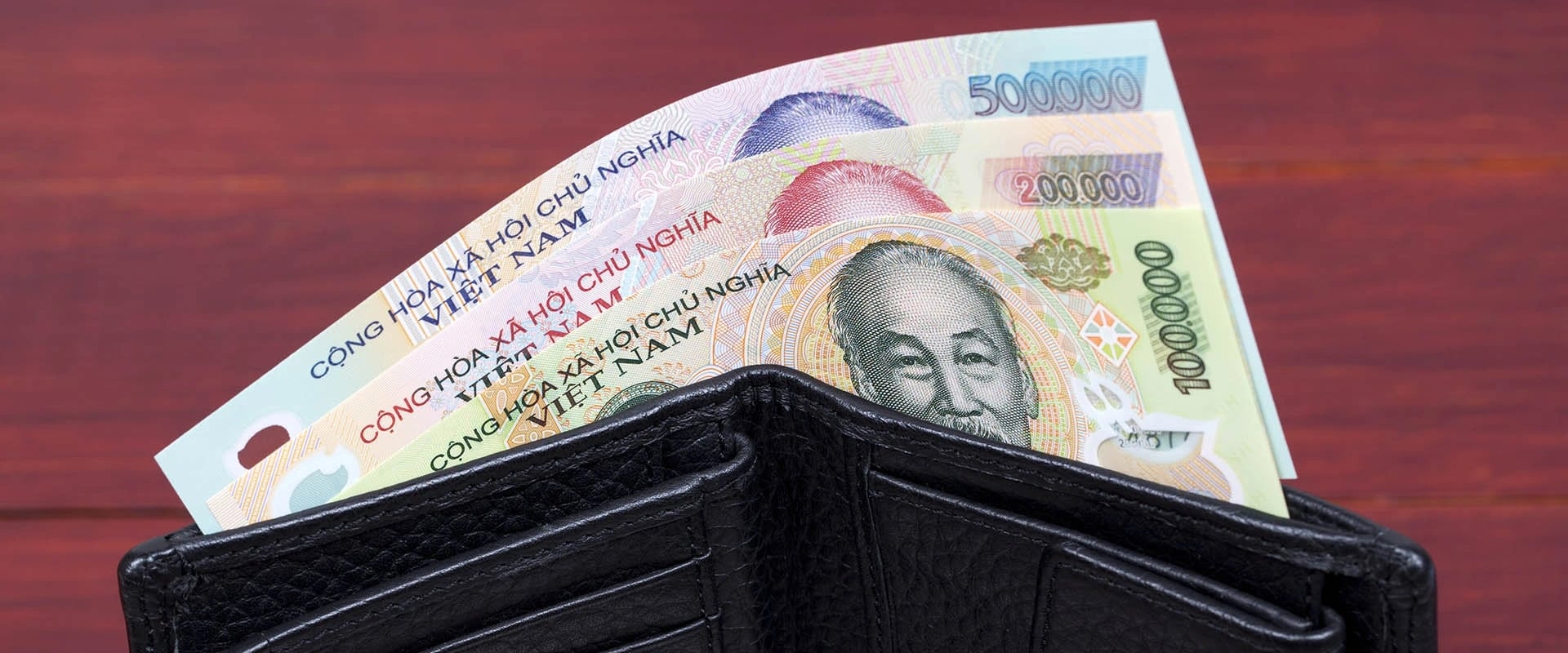
As of July 2026, the exchange rate is approximately 1 USD = 26,290 VND, although it may fluctuate over time. While some international hotels, tour operators, and tourist-oriented businesses may accept US dollars, most everyday transactions - like local restaurants, markets, taxis, and convenience stores, are conducted in Vietnamese Dong. Exchanging a small amount of cash after arrival is recommended, especially if you plan to visit local attractions or dine at street food stalls.
For added convenience, Visa, Mastercard, and American Express are widely accepted at hotels, shopping malls, upscale restaurants, and larger retailers. International banks are also present in Hanoi and Ho Chi Minh City. Additionally, 24-hour ATMs are now widely available throughout Vietnam.
Vietnam is generally an affordable destination, with daily travel costs varying depending on your accommodation, dining preferences, and activities.
Travel style | Estimated daily budget (per person) |
Budget | 24 USD |
Mid-range | 65 USD |
Luxury | 183 USD |
3.4. Internet, SIM cards and electricity in Vietnam
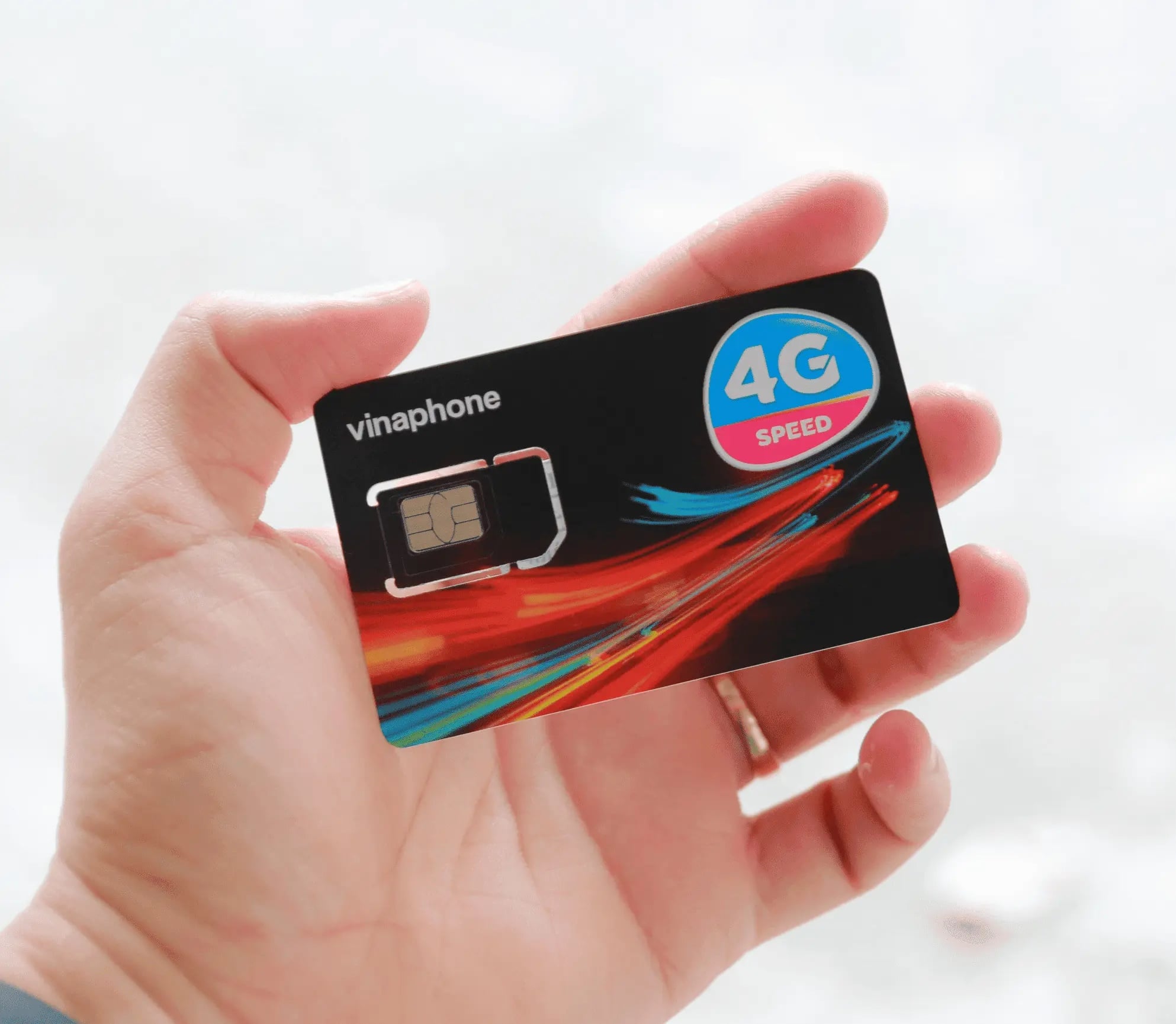
Staying connected while traveling in Vietnam is simple and convenient. Local Vietnam SIM card for tourists are easy to purchase at international airports, mobile carrier stores, and convenience stores, while eSIMs can be activated online before your trip. Major providers such as Viettel, Vinaphone, and Mobifone offer affordable prepaid plans with extensive nationwide coverage. In addition, free Wi-Fi is available in most hotels, cafés, restaurants, shopping malls, airports, and many tourist attractions.
US travelers should also note that Vietnam operates on a 220V/50Hz electrical system, compared to 120V/60Hz in the United States. The most commonly used plug types are Type A, Type C, and Type F. To avoid charging issues, it's recommended to bring a universal travel adapter and ensure your electronic devices are compatible with 100 – 240V input.
3.5. Health and safety tips
Although no vaccinations are required to enter Vietnam, it's recommended to ensure your routine vaccinations are up to date before traveling. During your trip, drink only sealed bottled or purified water, avoid tap water, and choose freshly prepared meals from busy restaurants or popular street food stalls to reduce the risk of foodborne illness. As Vietnam has a tropical climate, it's also advisable to wear sunscreen and use mosquito repellent, especially when spending time outdoors.
For added peace of mind, purchase comprehensive travel insurance that covers medical treatment, emergency medical evacuation, trip cancellations, and lost baggage. While Vietnam is generally a safe destination, it's still important to stay alert in crowded areas and keep your valuables secure. If you need emergency assistance during your trip, you can contact the U.S. Embassy or Consulate in Vietnam for support.

3.6. Where to go in Vietnam?
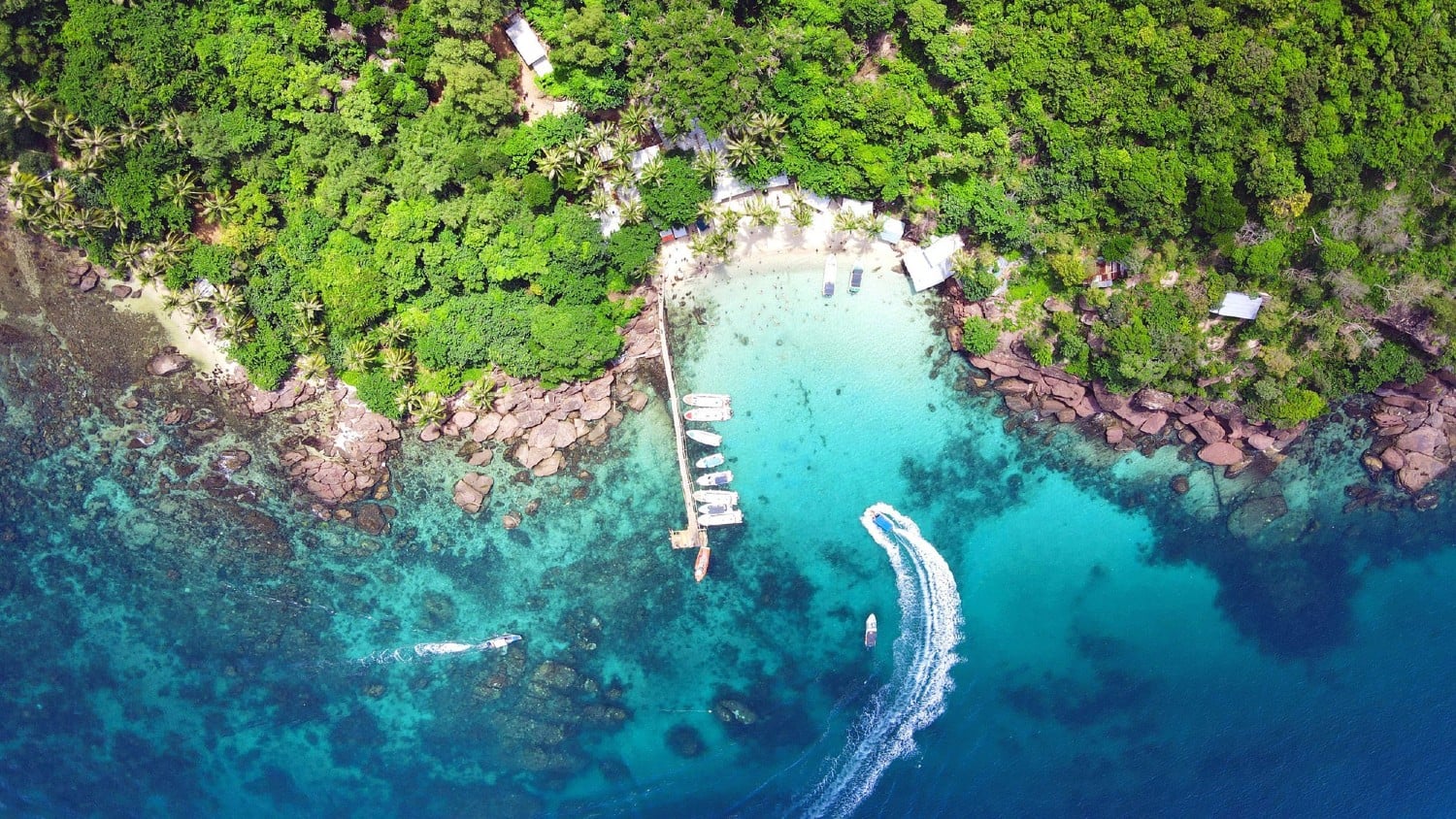
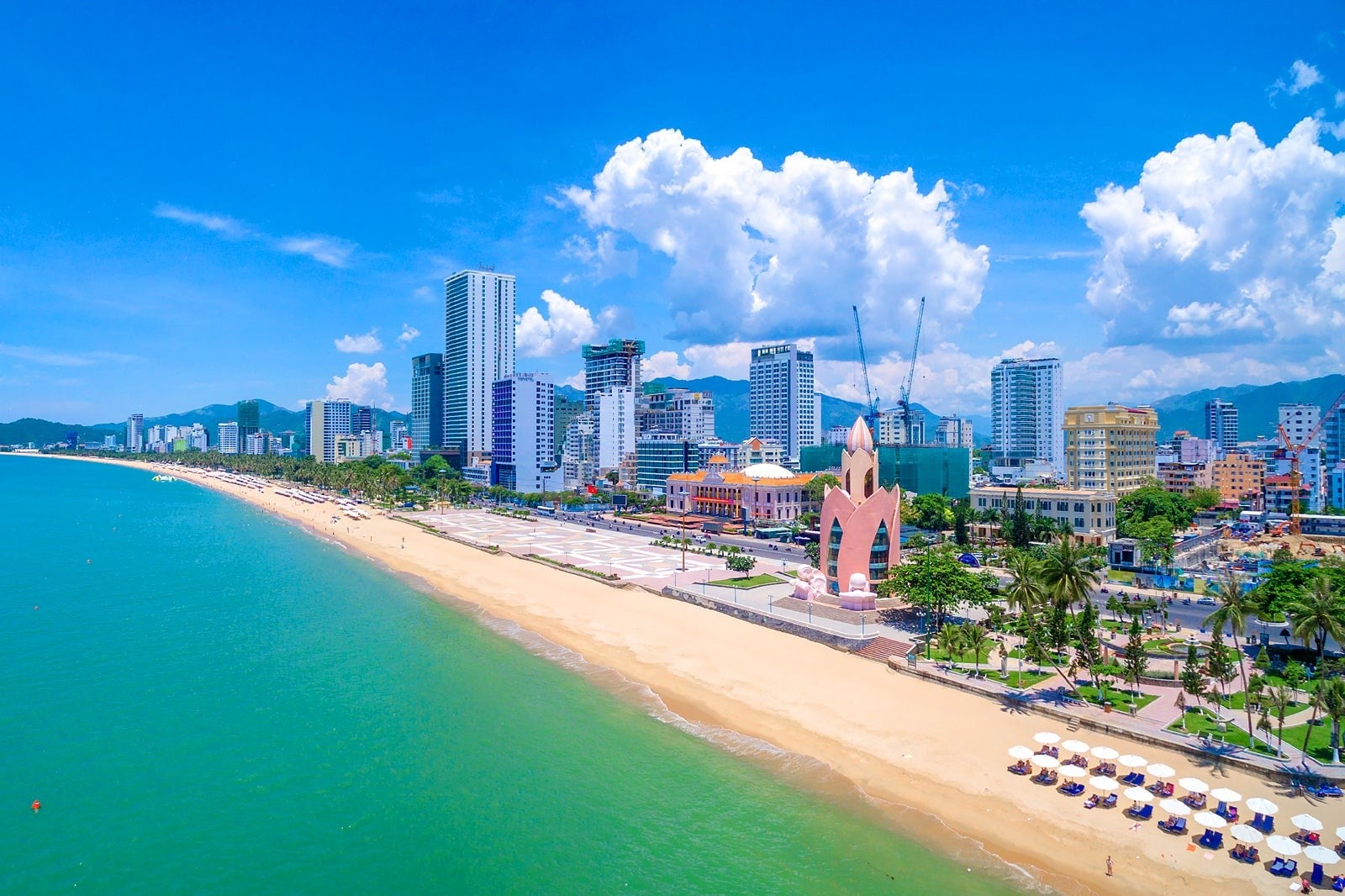
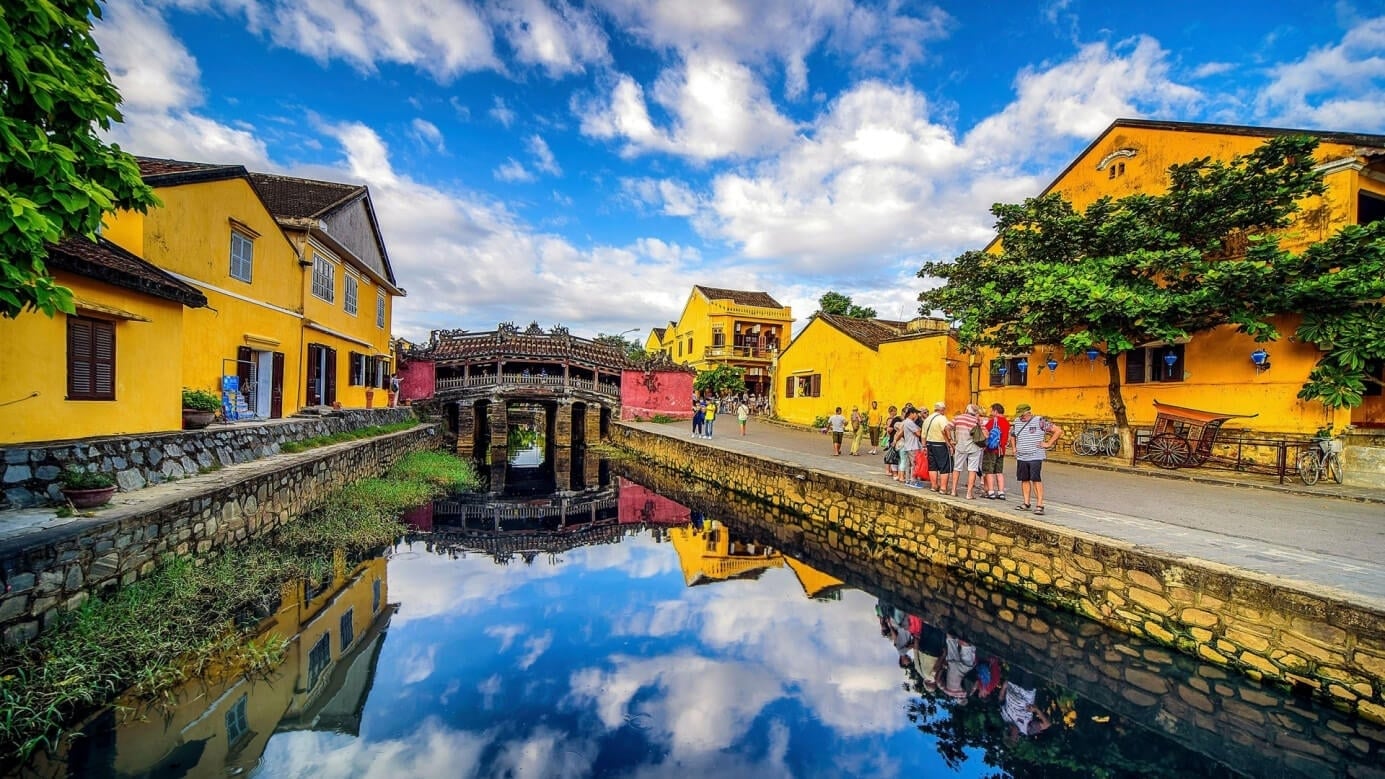
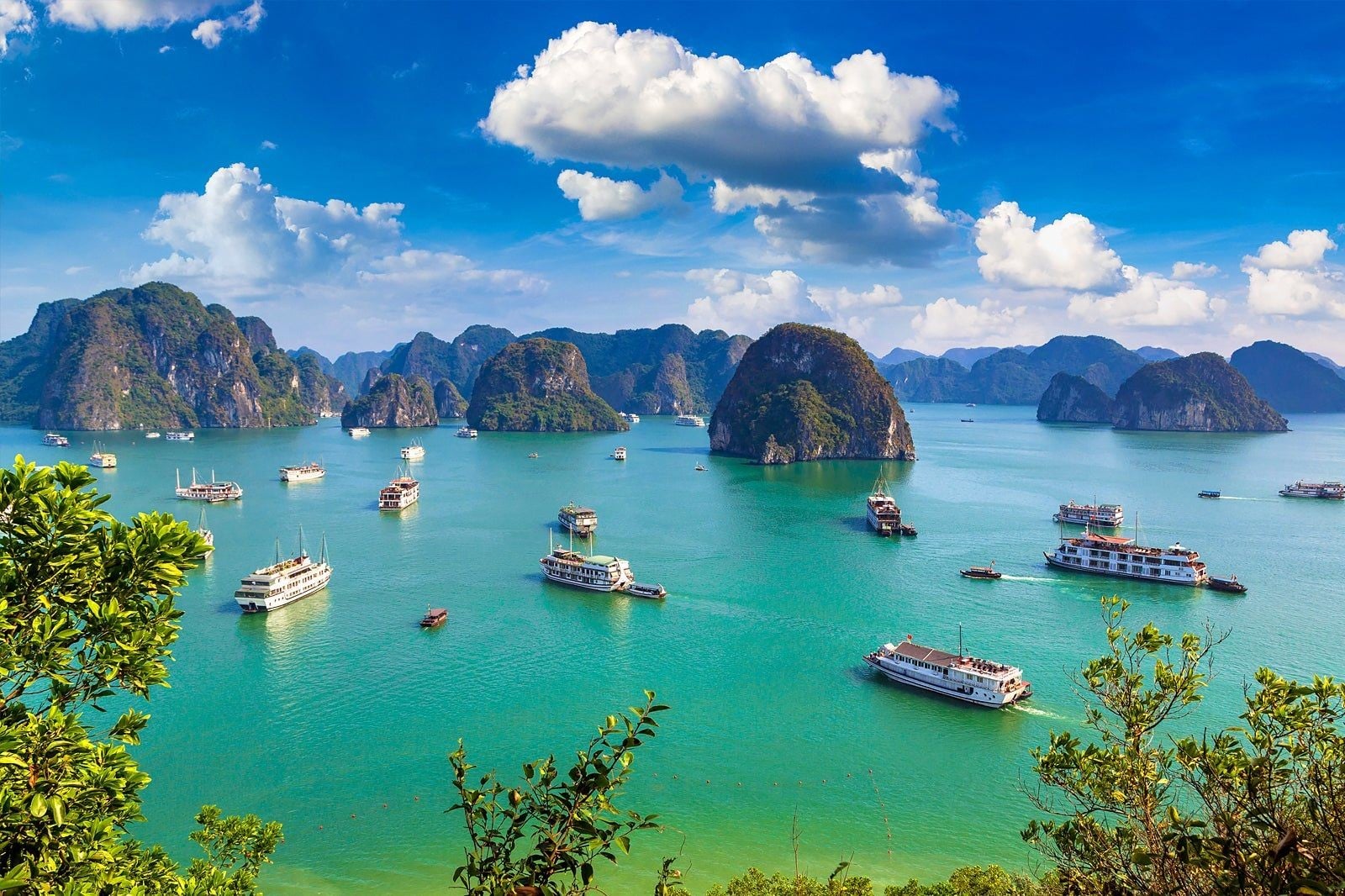
If you are looking for a unique and exotic travel experience, look no further than Vietnam's top tourist destinations. From the stunning beaches of Phu Quoc and Nha Trang to the historic and charming town of Hoi An, there is something for everyone in this beautiful country.
And don't forget to add Da Nang, Ha Long Bay, Hue, Ninh Binh, Ho Chi Minh City, and Hanoi (Vietnam capital) to your itinerary. Each location is rich in culture, history, and natural beauty, making Vietnam a must-visit destination for any traveler.
Travel style | Recommended destinations |
Culture & history | Hanoi, Hue, Hoi An |
Beaches & islands | Phu Quoc, Nha Trang, Da Nang |
Nature & scenery | Ha Long Bay, Ninh Binh |
Family vacations | Phu Quoc, Nha Trang, Da Nang |
| Food experiences | Hanoi, Ho Chi Minh City, Hoi An |
3.7. Where to stay in Vietnam?
Vietnam offers a wide range of accommodation options to suit every budget and travel style, from budget hostels and boutique hotels to luxury beachfront resorts and international hotel brands.
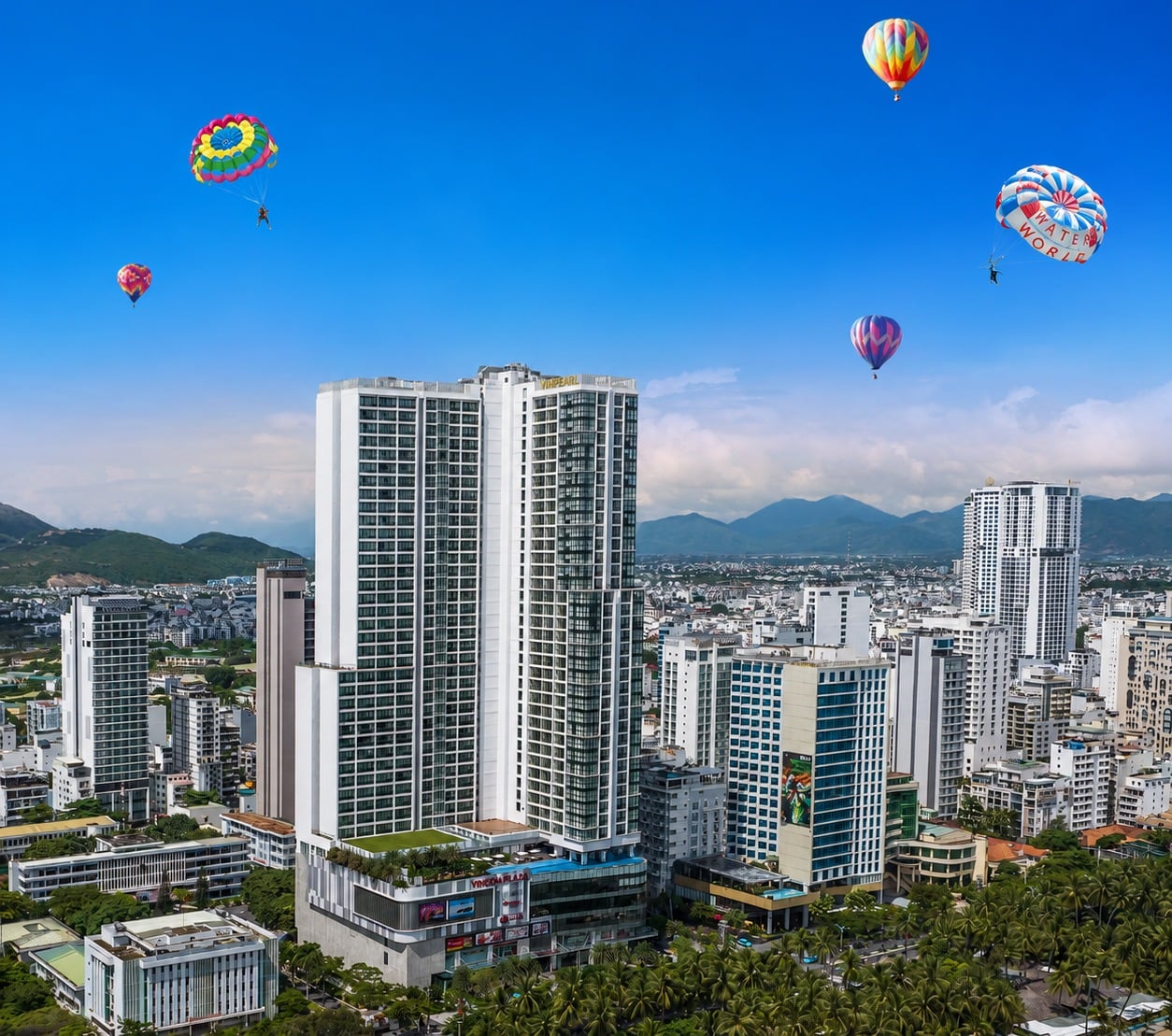
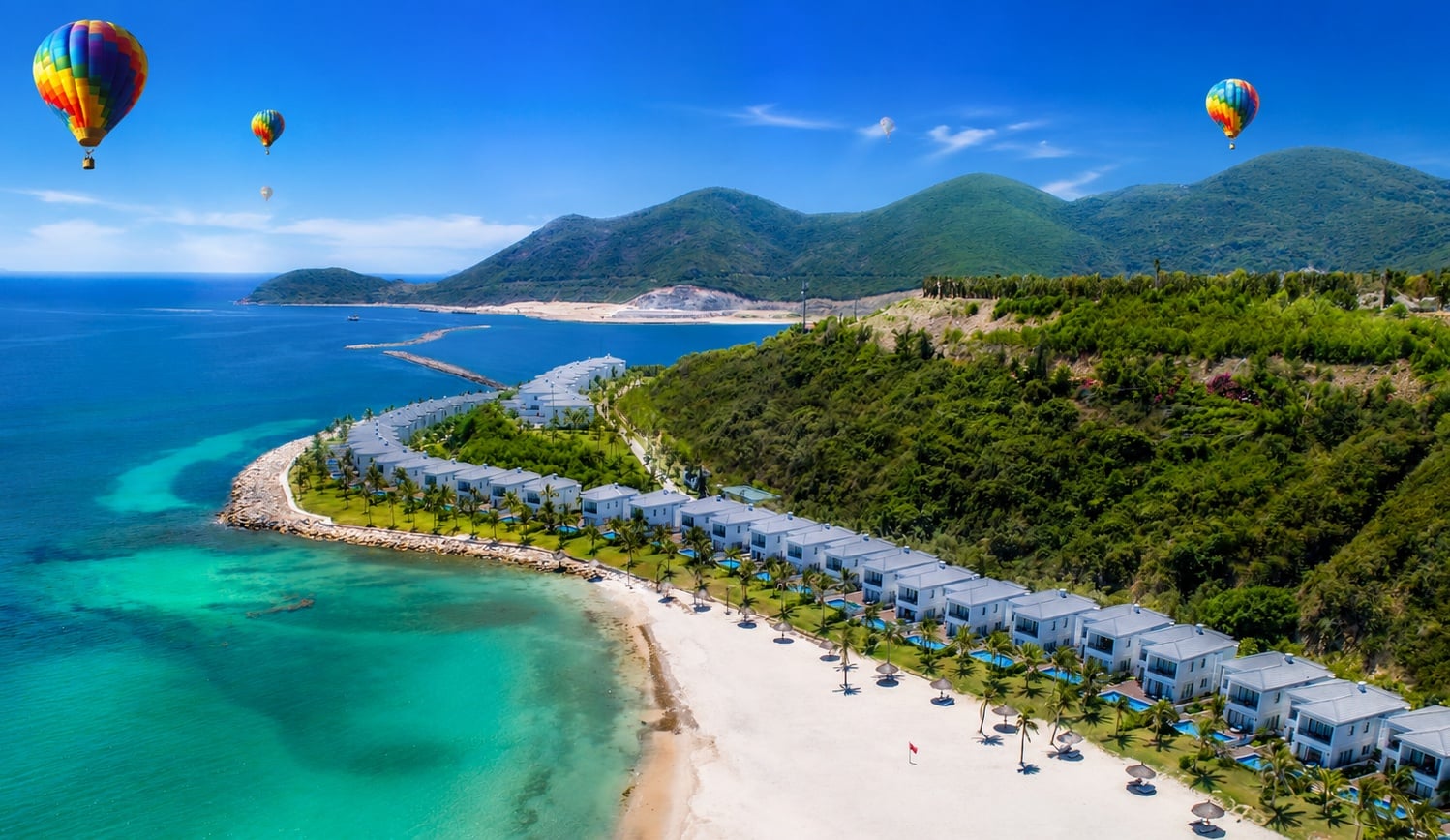
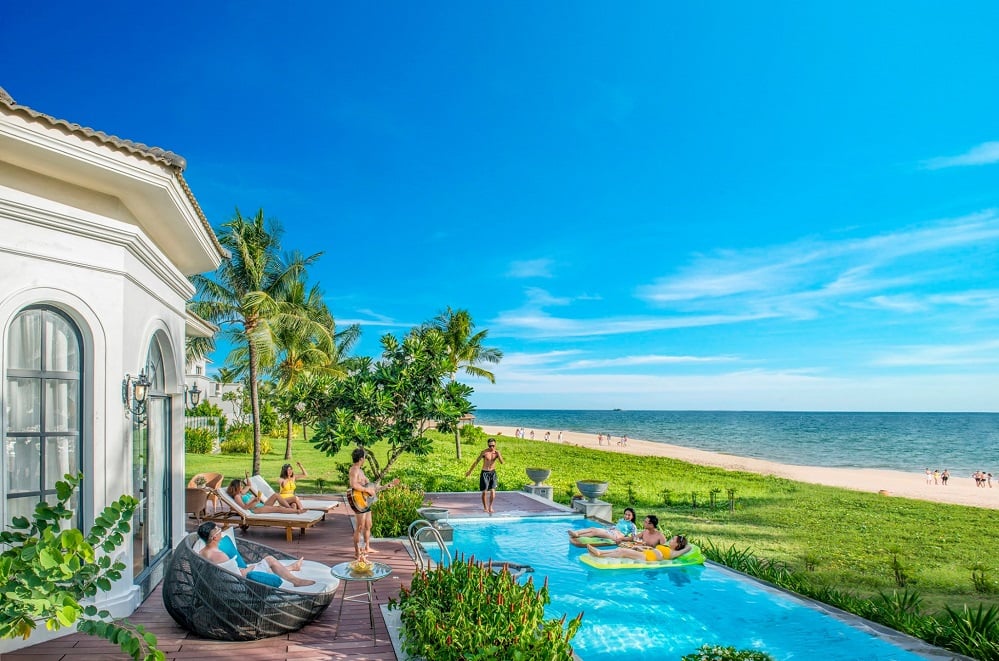
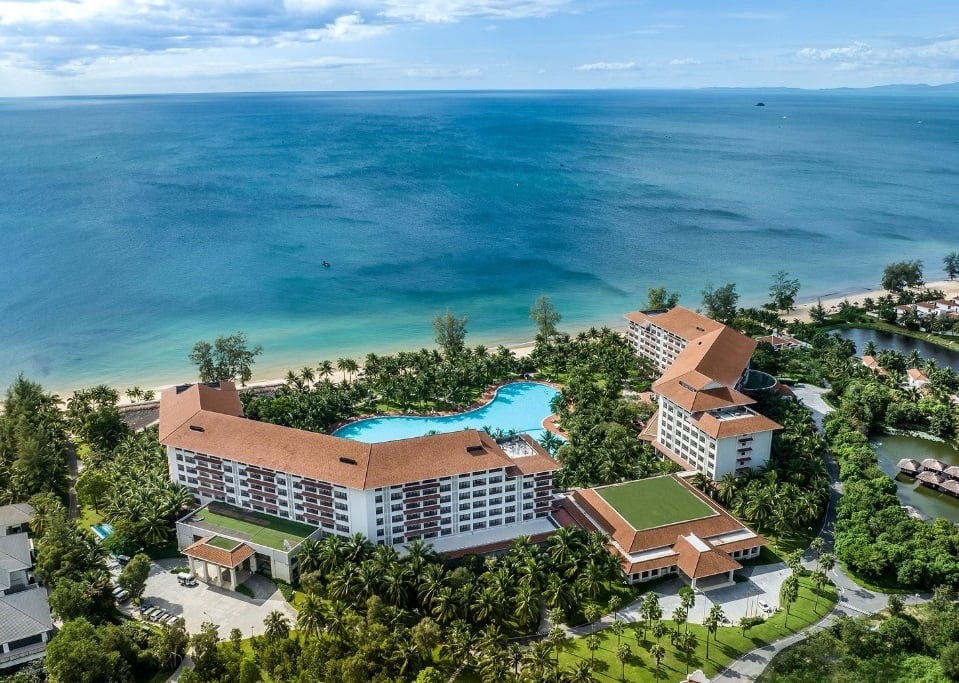
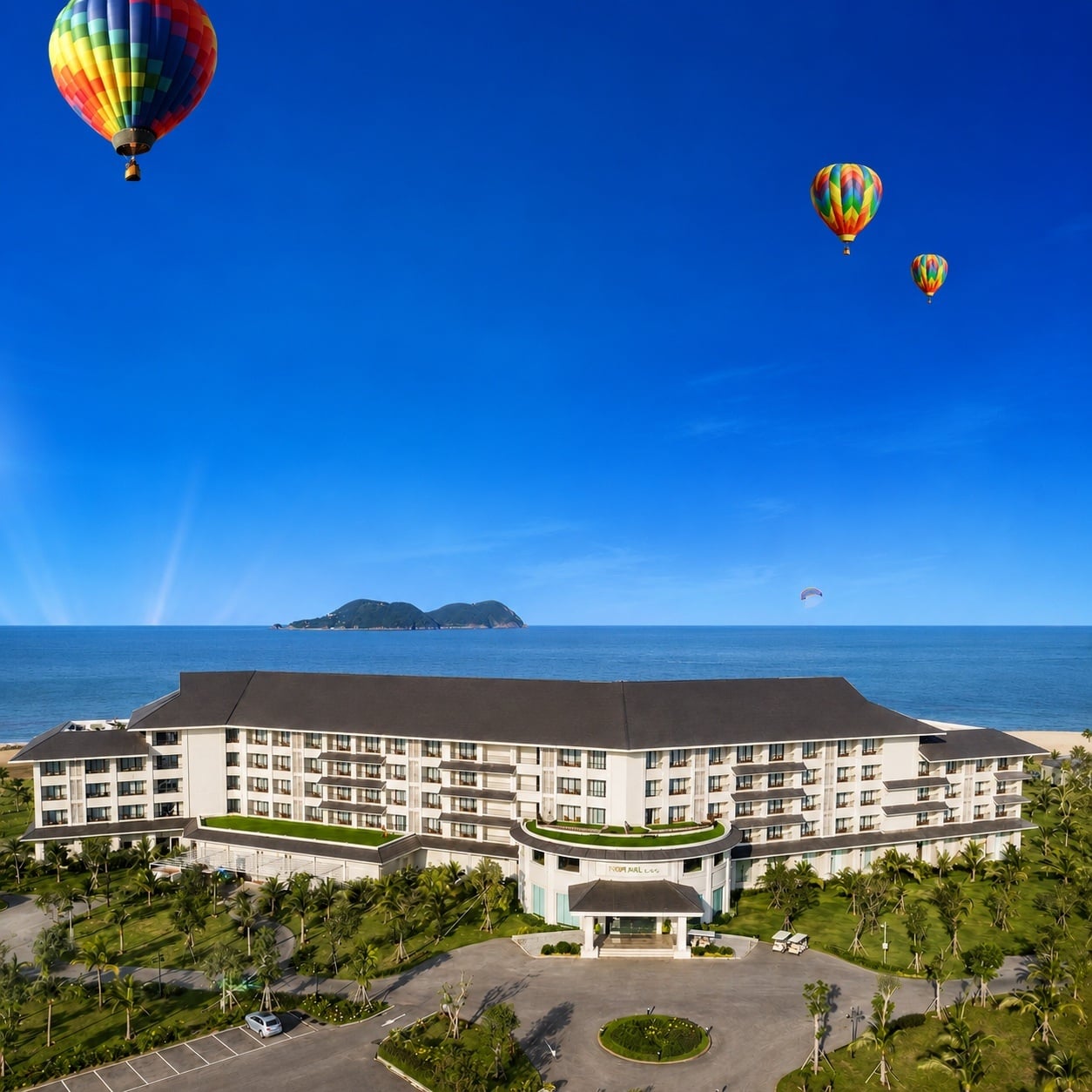
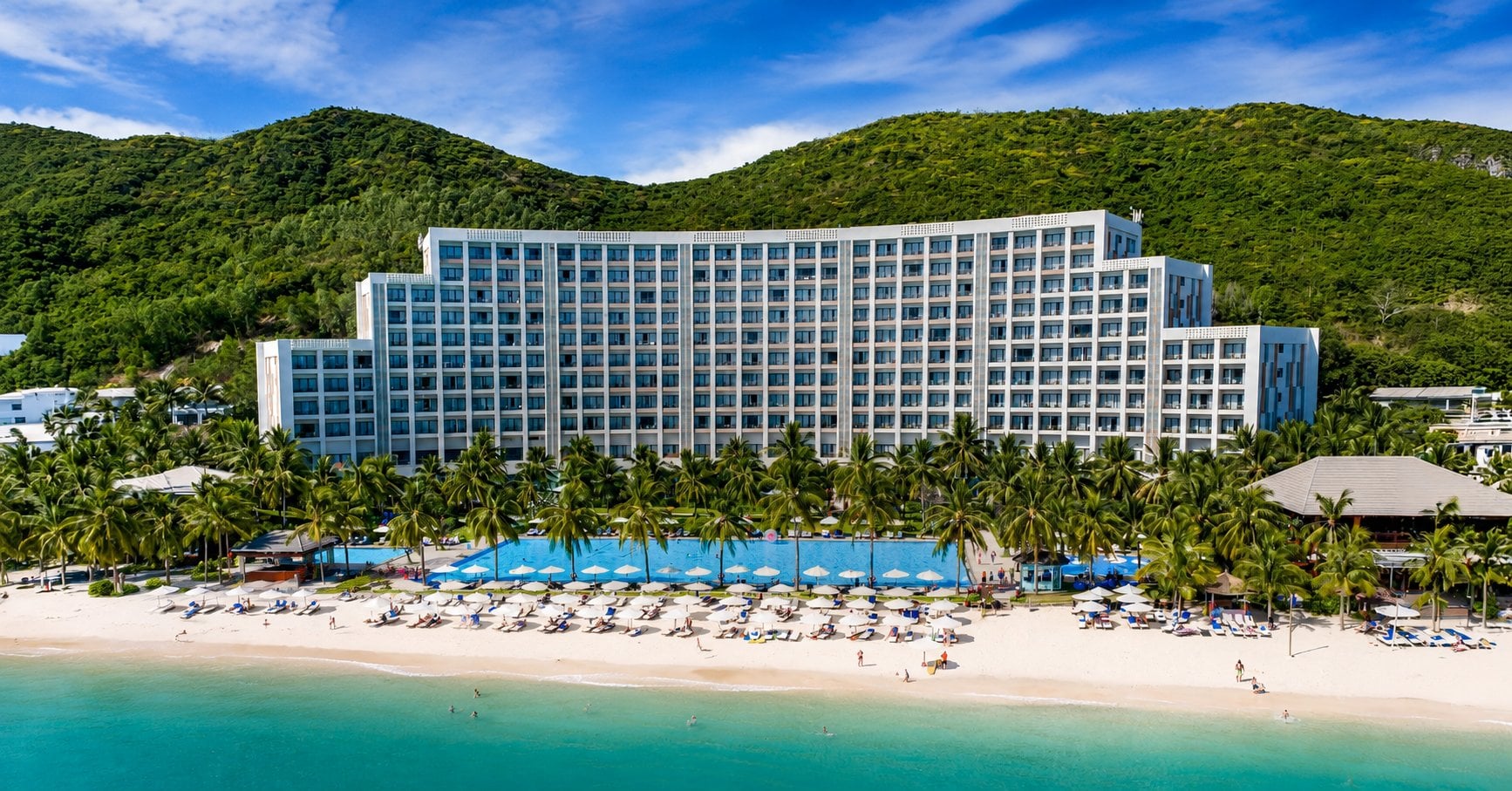
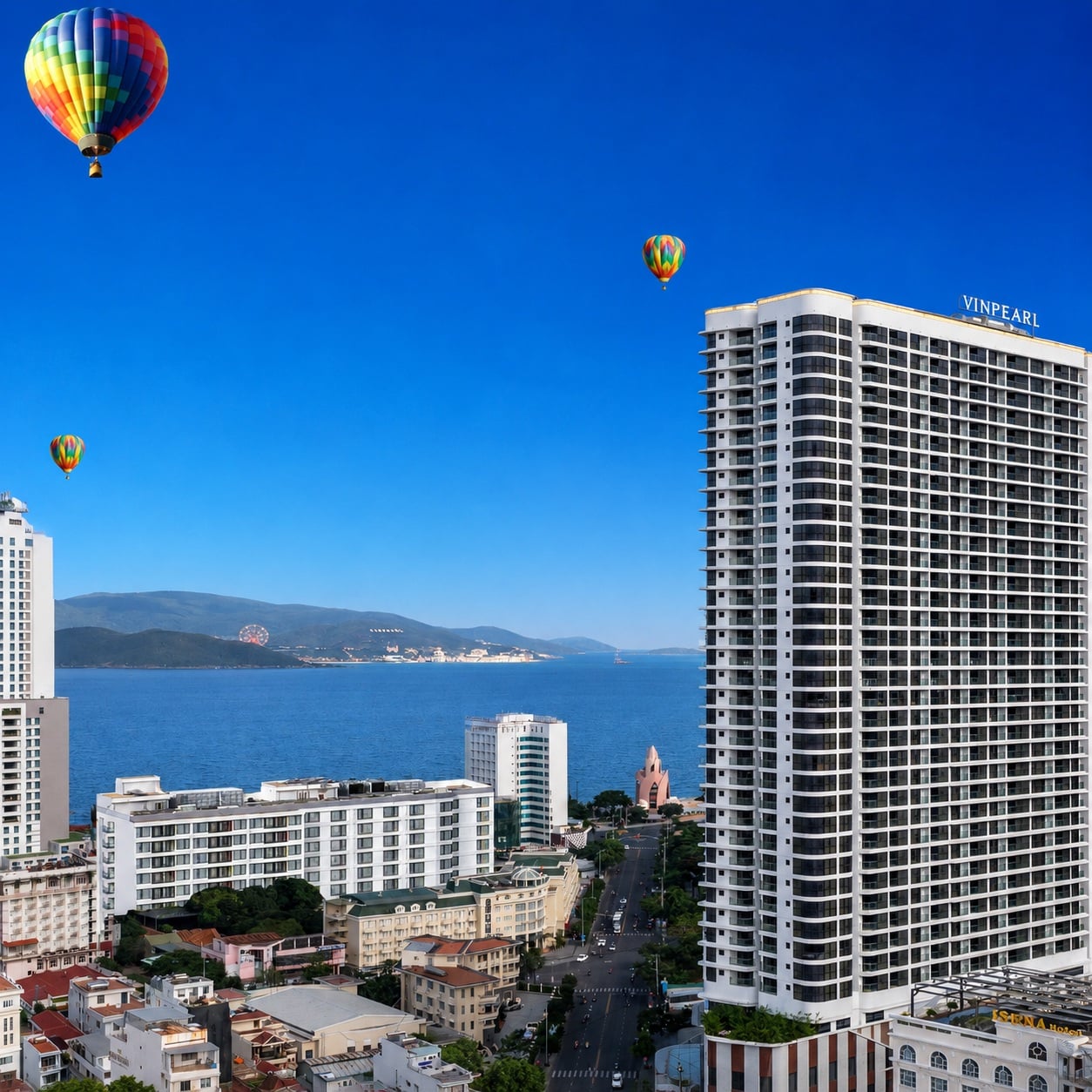
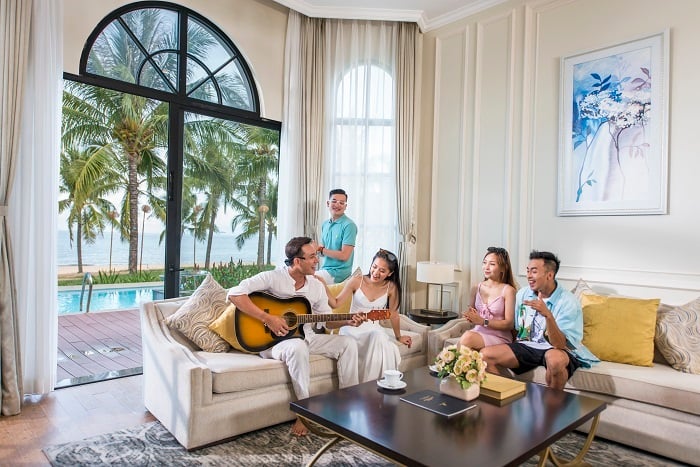
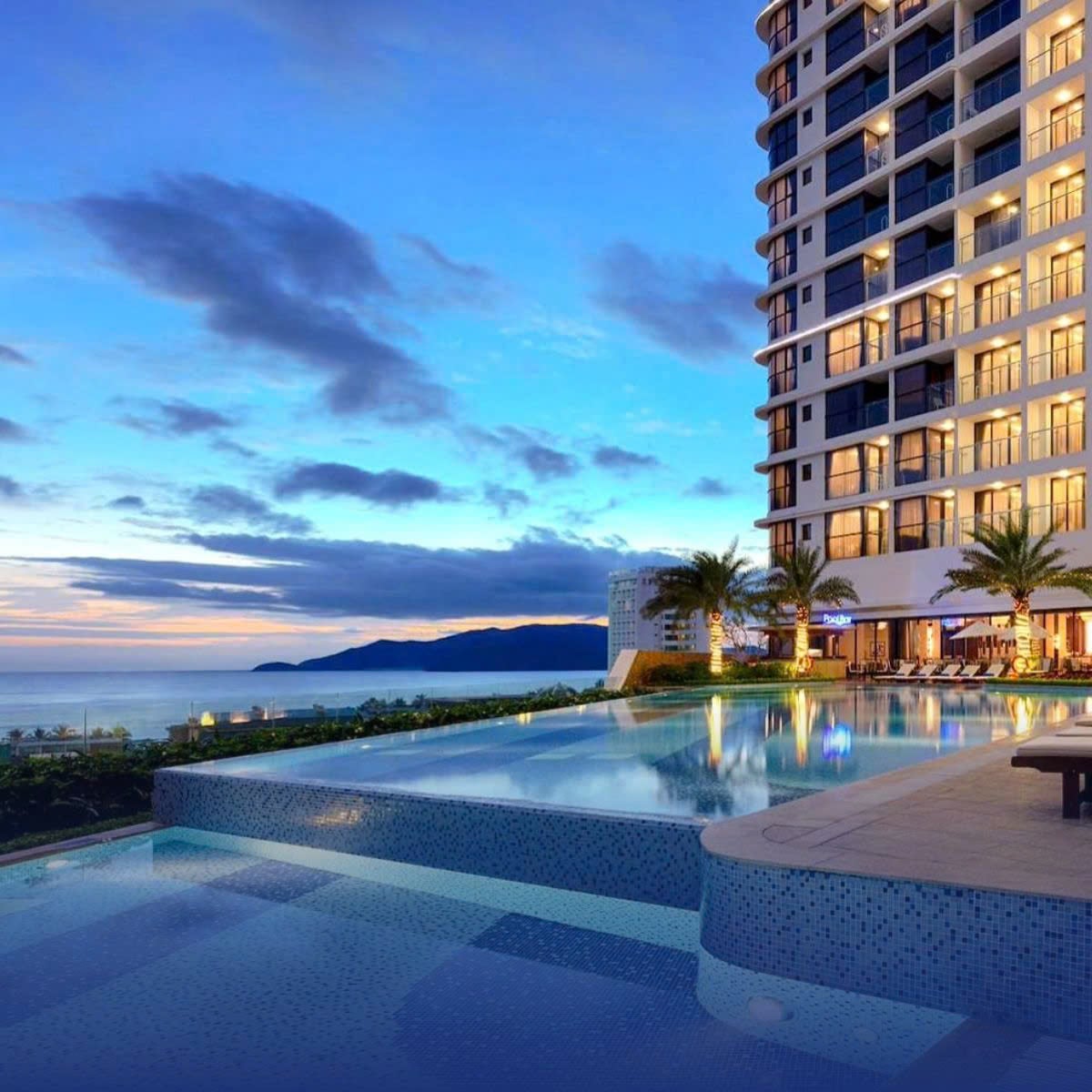
For the best Vietnam hotels for travelers, look no further than Vinpearl. With luxurious properties in prime locations such as Vinpearl Phu Quoc, Vinpearl Nha Trang, Vinpearl Resort & Golf Nam Hoi An, and Vinpearl Resort & Spa Ha Long, Vinpearl offers luxurious accommodations for even the most discerning travelers.
Each property features modern amenities like world-class spas and stunning rooms with breathtaking views. Plus, Vinpearl's staff provides exceptional service, ensuring that every guest's stay exceeds their expectations. Whether you're searching for a relaxing beach getaway or an adventurous vacation, Vinpearl has a resort or hotel perfect for your travel to Vietnam from the US.
>>> Book rooms in Vinpearl Phu Quoc, Vinpearl Nha Trang, Vinpearl Resort & Golf Nam Hoi An, Vinpearl Resort & Spa Ha Long to immerse yourself in the lavish amenities and superior services of these exclusive resorts!
>>> Save now: Vietnam things to do: 10 MUST-HAVE experiences on a First Visit
3.8. Other essential information
When planning your travel to Vietnam from the US, it's important to know some essential information to ensure a smooth and hassle-free trip.
- Vietnamese people: One thing you will discover is that Vietnamese people are friendly and hospitable, making your stay in this beautiful country even more enjoyable.
- Cultural etiquette: When visiting temples or religious sites, dress modestly, remove your shoes where required, and respect local customs. Asking for permission before photographing people is also appreciated.
- What to pack: Pack lightweight clothing, comfortable walking shoes, sunscreen, and insect repellent for most trips. If you're visiting northern Vietnam during the cooler months or heading to mountainous areas, bring a light jacket or warm layers.
- Tipping customs: Tipping is not expected but is appreciated for good service. You may leave a small tip at restaurants or for hotel staff, tour guides, drivers, and spa therapists if you're satisfied with the service.

4. Suggested Vietnam itineraries from the US
Here is a recommended 14-day classic Vietnam itinerary to help you plan your trip to Vietnam from the US.
Days | Destination | Recommended experiences |
Days 1 – 3 | Hanoi | Explore Hanoi Old Quarter, Hoan Kiem Lake, the Temple of Literature, and enjoy Vietnam's famous street food. |
Days 4 – 5 | Ha Long Bay | Take an overnight cruise, kayak among the limestone islands, and enjoy fresh seafood. |
Days 6 – 8 | Hoi An & Da Nang | Wander Hoi An Ancient Town, relax on the beach, visit the Marble Mountains, and sample local specialties. |
Days 9 – 11 | Ho Chi Minh City | Visit the War Remnants Museum, Notre-Dame Cathedral, Ben Thanh Market, and experience the city's vibrant nightlife. |
Days 12 – 14 | Mekong Delta | Explore floating markets, cruise through canals, visit local villages, and return to Ho Chi Minh City for your departure. |
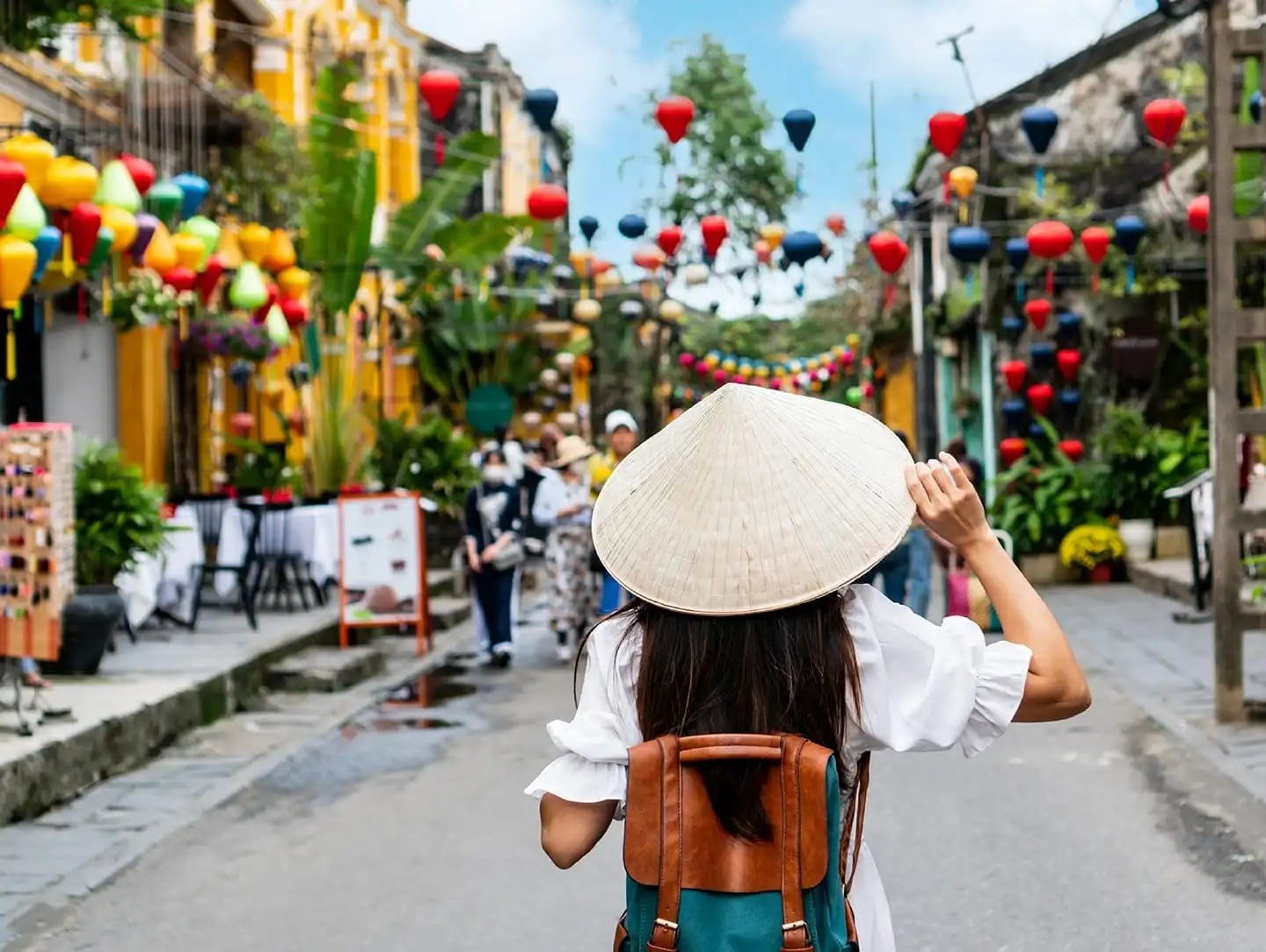
If you are looking to explore travel to Vietnam from the US, then this guide is useful for you. With its rich culture, mouth-watering cuisine, and stunning scenery, it is a country that should be on every traveler's bucket list. Whether you are seeking adventure, relaxation, or just a change of pace, Vietnam has something to offer everyone. So why wait? Book your flight to Vietnam from the US today and experience all that this amazing country has to offer!
>>> Book rooms in Vinpearl Phu Quoc, Vinpearl Nha Trang, Vinpearl Resort & Golf Nam Hoi An, Vinpearl Resort & Spa Ha Long for an unforgettable stay with world-class amenities and top-notch services!
Grab the hottest deals at Vinpearl
5. FAQs about traveling to Vietnam from the US
5.1. Is Vietnam worth visiting from the US?
Yes. Despite the long flight, Vietnam is well worth visiting for its breathtaking landscapes, rich culture, world-famous cuisine, and excellent value for money.
5.2. Can US citizens travel to Vietnam without a visa?
No. US citizens generally need a valid visa to enter Vietnam. The main exception is Phu Quoc Island, where visa-free entry is available for stays of up to 30 days if specific entry requirements are met.
5.3. Is Vietnam safe for American tourists?
Yes. Vietnam is considered a safe destination for travelers. However, it's advisable to stay alert in crowded areas, keep your valuables secure, and use licensed taxis or ride-hailing apps.
5.4. Is Vietnam expensive for US citizens?
No. Vietnam is generally an affordable destination, offering excellent value for accommodation, dining, transportation, and attractions compared to many other countries.
5.5. How much money should I bring to Vietnam from the US?
The amount depends on your travel style. Most travelers spend around USD 65 per day, excluding international flights. Carry a mix of cash (VND) and credit cards for convenience.
5.6. What is the best airport to fly to Vietnam from the US?
It depends on your itinerary. Tan Son Nhat International Airport (SGN) in Ho Chi Minh City is the only airport currently served by a non-stop flight from the US. Noi Bai International Airport (HAN) in Hanoi and Da Nang International Airport (DAD) are also popular entry points via connecting flights.
5.7. Should I avoid traveling to Vietnam from the US during public holidays?
Not necessarily. Public holidays such as Tet (Lunar New Year), Reunification Day (April 30), and National Day (September 2) offer unique cultural experiences. However, they are also peak travel periods, so book ahead.
5.8. Can US travelers speak English in Vietnam?
Yes. English is widely spoken in major cities, tourist attractions, hotels, and restaurants. However, learning a few basic Vietnamese phrases can make communication easier and is often appreciated by locals.
5.9. What's the best way for US travelers to get around Vietnam?
It depends on your itinerary. Domestic flights are best for traveling between major cities, while taxis and ride-hailing apps are the easiest way to get around urban areas







.png)
.png)